
El Tajín
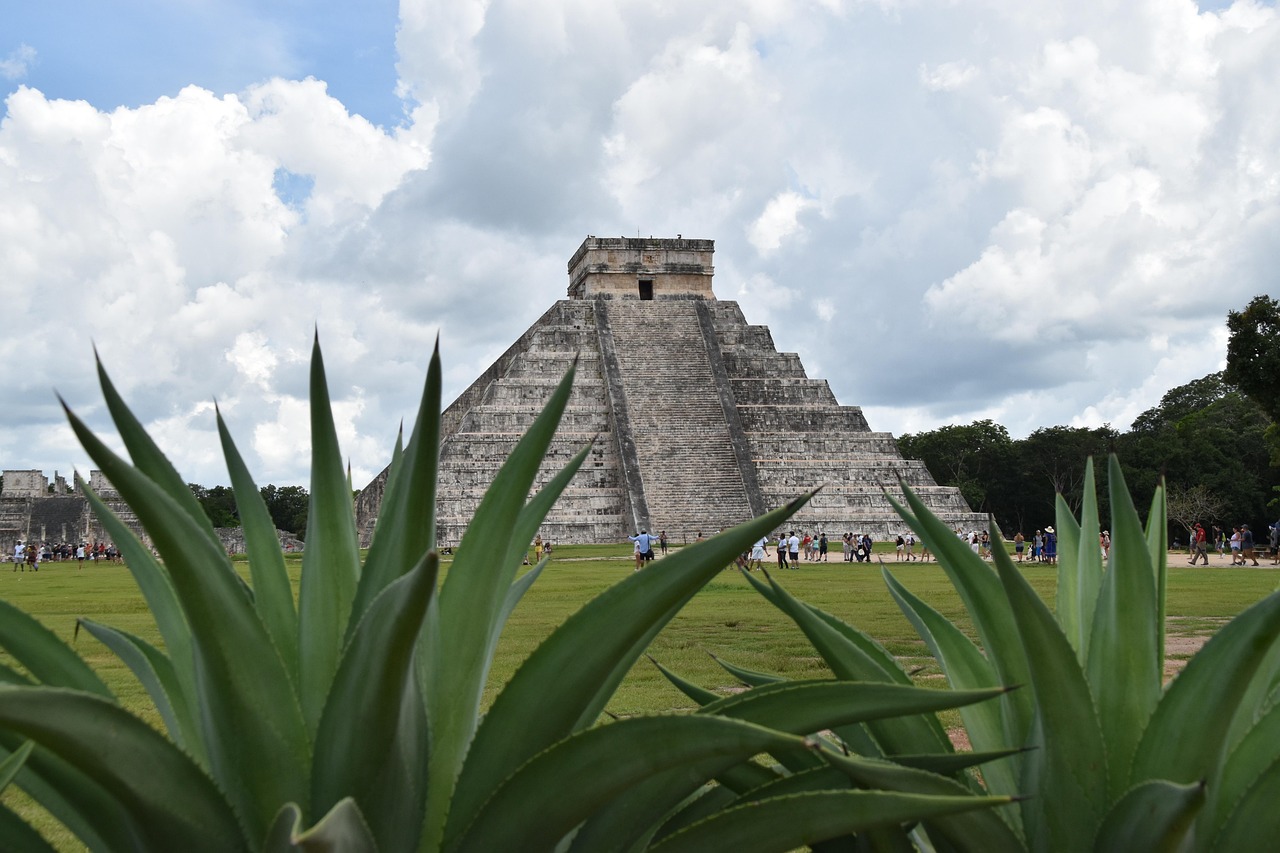
El Tajín, Pre-Hispanic City — A Journey Through Time and Culture
El Tajín is one of the most mysterious and beautiful archaeological places in Mexico; it is also located in the state of Veracruz near the Gulf of Mexico. The city prospered between 600 and 1200 A.D. and was home to a great civilization known for its art, architecture, and deep spiritual traditions. Today, El Tajín is a UNESCO World Heritage Site and attracts travelers from all over the world who come to see its unique pyramids, carvings, and temples. The site is surrounded by lush green hills, tropical forests, and small villages that still hold traces of ancient culture. 
A Brief Introduction to El Tajín
El Tajín is located near the modern city of Papantla, in northern Veracruz. It covers an area of about 10 square kilometers and has over 150 structures, although only about 20 are fully excavated. The name “El Tajín” comes from Totonac mythology and means “the City of Thunder, Lightning, and Wind.” According to legend, gods of thunder once lived here. To the Totonac people, who built the city, it was a place considered sacred since human beings and gods connected through ceremonies and rituals performed in that place. Immediately upon arrival, one can already feel the magic of this place. Humid and warm air, birds singing in the trees, and the wind sounding like the echo of ancient stories all combine.
The History of El Tajín
El Tajín began to grow around 600 AD, after the fall of the great city of Teotihuacan. It developed into a powerful regional center that controlled trade routes joining the Gulf Coast with central Mexico. The Totonac people are highly skilled builders and artists. Using local limestone, they built temples and pyramids that were decorated with carvings depicting gods, warriors, and priests. The peak of the city took place between 900 and 1200 AD, a time when it contained large plazas, ball courts, and palaces. The rulers of El Tajín organized grand festivals and played sacred ball games, offering the gods gifts. However, in the 13th century, El Tajín was mysteriously abandoned. According to historians, this might have been because of wars, invasions, or environmental changes. The jungle crept over the ruins, obscuring them for centuries. In 1785, it was rediscovered by a Spanish explorer. Subsequently, archaeologists took the task of uncovering its secrets.
The Architecture and Design
El Tajín is known for the impressive and unique architecture of its structures. By far the most famous is the Pyramid of the Niches, which was used as a symbol for the whole site.
The Pyramid of the Niches
This pyramid is seven levels high with 365 niches corresponding to the days of the solar year. Each of the niches once had an offering or a candle that was lit to appease the gods. When the sun hits at certain parts of the day, that gives way to the perfect shadows as if it brings life to the pyramid. Today, due to its protection, no one is allowed to climb up this pyramid, though it’s possible to walk around and admire some detailed carvings on the stones. The pyramid looks unforgettable with greenery all around.
Ball Courts
El Tajín boasts 17 ball courts — more than any other ancient city in Mesoamerica. The ball game was more than just a sport; it was a sacred ritual. Using a rubber ball, the players tried to hit it through stone rings without using their hands. The carvings along the courts depict scenes of victory, sacrifice, and rebirth. These carvings tell us about the spiritual beliefs of the Totonac people.
Palaces and Temples
Other great structures include the complex of Tajín Chico, which is where the city’s elite lived. It contains small pyramids, inner courts, and rooms used in ceremonial acts. The carvings on the walls show dancers, priests, and warriors, revealing the daily life and traditions of ancient El Tajín. The site also has many altars and stone reliefs showing the importance of astronomy and religion in Totonac culture.
The Culture and Religion
El Tajín was more than a city; it was a sacred space. For the Totonacs, nature and the elements-wind, rain, sun, and thunder-formed part of their religion. They built temples honoring gods such as Tlaloc, who was the god of rain, and Quetzalcoatl, the feathered serpent deity. Activities centered around ensuring good harvests and protecting the people against calamities of nature. The ball game was included in those rituals. It symbolized the eternal fight between light and darkness, life and death. Even today, the descendants of the Totonac people continue some of these traditions. During festivals in Papantla, visitors can see the Voladores de Papantla — the “Flying Men” ceremony: five men climb a tall pole. One stays on top playing a flute and drum while the other four slowly spin down on ropes, symbolizing harmony with the universe.
The Natural Beauty Around El Tajín
El Tajín is situated in a region of tropical beauty: palm trees, rivers, and green hills are everywhere. Its climate is warm and humid for the better part of the year, with heavy rains falling during summer. It feels like entering a living jungle as one walks through the site. Birds fly above, while butterflies dance around in sunbeams. The sound of nature further enhances the magic of exploring this ancient place. Guided tours around the carvings are available to explain their meaning, Totonac history, and each of the various structures’ uses. A number of nearby small craft shops sell handmade pottery, jewelry, and Totonac textiles.
The Experience of Visiting El Tajín
Visiting El Tajín is a peaceful and educational experience. The site is large but easy to explore, with walking paths, shaded areas, and signs both in Spanish and English. The visit is best done early morning or late afternoon when the temperatures are cooler, and the sun enhances the beauty of the stones. In March, it becomes even more special on this site. The Cumbre Tajín Festival is held nearby. It celebrates Totonac culture with music, dance, crafts, and traditional foods. Thousands of people come to enjoy the colorful performances and workshops.
Surrounding Places Near El Tajín
El Tajín is one of the most interesting archaeological sites in Mexico, an ancient pre-Hispanic city that, together with the modern town of Papantla, is located in the state of Veracruz. Yet, besides the famous pyramids and the ancient architecture of El Tajín, there are fantastic cultural, natural, and historical treasures that the region hides. The surrounding towns, beaches, forests, and indigenous communities make this area really worth visiting. The following are the detailed descriptions of places that usually form part of a tourist’s trip: 
Papantla de Olarte
Papantla is the closest city to El Tajin and is considered the “City that Perfumes the World.” It’s famous for its vanilla and Totonac culture. Colorful murals adorn the streets, there’s lively music, and the people are all very friendly. Among activities available here, visitors can visit the Vanilla Museum, learning about the history of this crop since it was cultivated by the people before the Hispanic era. In the central plaza, one can frequently find the well-known Danza de los Voladores, a traditional ceremony of the Totonac people that was recognized by UNESCO as an Intangible Cultural Heritage of Humanity. Dancers climb up a tall pole, bind themselves with ropes, and then swing and fall gracefully while playing flutes and drums. This dance shows the harmony between man and nature. Papantla also offers a lively market where one can taste the local dishes like zacahuil, a giant tamale, and even mole poblano. Artisans sell handmade crafts, embroidered clothes, and carved wooden figures. Small colonial churches and cobblestone streets give Papantla its timeless appeal.
Poza Rica
About 15 km from El Tajín is the modern city of Poza Rica, which developed around its oil industry and serves commercial needs for a large part of northern Veracruz. Though less historic than Papantla, the city makes for a more comfortable base for most tourists. The city has modern hotels, shopping centers, and restaurants. The Plaza Cívica 18 de Marzo is the main plaza, where locals can be found cooling off in the evenings. Nearby, the Museo de la Ciudad de Poza Rica displays archaeological artifacts from El Tajín, photographs from early oil exploration, and Totonac cultural pieces. In addition, Poza Rica offers easy access to regional transportation: buses to coastal towns, nearby waterfalls, and mountain villages. Even while it is an industrial hub, Poza Rica is actually an important connecting point to the ancient and natural wonders around El Tajín.
Costa Esmeralda (Emerald Coast)
One hour’s drive from El Tajín, Costa Esmeralda stretches along the Gulf of Mexico and is famous for its beautiful turquoise waters and soft sandy beaches, offering a peaceful escape from the heat of the inland valleys. The area is dotted with small fishing villages, eco-resorts, and beach hotels. Well-liked beaches include Casitas Beach, La Guadalupe, and Playa Oriente. Travelers can enjoy swimming, boat rides, or just relaxing under palm trees. For those who love nature, Costa Esmeralda offers the chance to observe dolphins, turtles, and an immense number of bird species. Local seafood restaurants serve fresh catches of fish, shrimp cocktails, and ceviche in lime and chili. Due to its proximity to El Tajín, many tourists combine a few days of exploration of the ruins with a beach holiday in Costa Esmeralda.
Cempoala Archaeological Site
Further south of El Tajín, and not too far from the city of Veracruz, another important archaeological site is located called Cempoala, which translates to “Place of Twenty Waters.” This place once belonged to the Totonac civilization and then later played an important role during the arrival of the Spanish conquistadors. Cempoala features round temples, large plazas, and ceremonial altars. The site provides a broader sense of the Totonac people who also built El Tajín. The surrounding countryside is filled with sugarcane fields and tropical vegetation, making it a serene and photogenic area. Visiting both Cempoala and El Tajín helps travelers appreciate the regional diversity of pre-Hispanic cultures in Veracruz.
Tecolutla
Other attractive coastal towns near El Tajín include Tecolutla, about 40 kilometers away. One major attraction is the Tecolutla Turtle Sanctuary, which is dedicated to the protection of sea turtles. On-site visitors can take part in the releasing of baby turtles into the ocean, an especially heartwarming experience during nesting time. In town, the Malecón (seaside promenade) offers a view of the sea and numerous local snack stands filled with fried plantains and ice cream. The laid-back nature of Tecolutla makes it a popular weekend retreat for locals and tourists alike.
Nautla
Continuing down the Gulf coast, visitors will find themselves in Nautla, which is a tranquil seaside town with rivers and mangrove forests surrounding it. The beaches are quiet, less crowded, and a perfect place for those wanting calm and natural surroundings. The fishing harbor of the town offers a fresh catch every day. The main dishes that are served are crab stew and grilled red snapper fish. Nautla also has natural lagoons nearby that attract migratory birds, making it a good destination for birdwatching and eco-tourism. From Nautla it is easy to continue south to Veracruz City, one of Mexico’s oldest and most culturally vibrant ports.
Filobobos Caves and River
The more adventurous visitors to El Tajín often take day trips to the natural area of Filobobos near Tlapacoyan, about two hours away, with its underground caves, waterfalls, and river, the Filobobos, popular for rafting and kayaking. The most famous attraction here is the Cueva del Encanto, filled with ancient rock paintings and mysterious rock formations. Tour guides explain the legends surrounding these caves and their importance to local indigenous groups. The surrounding jungle also provides shelter to many species of birds and monkeys. The fresh air and the sound of running water make Filobobos a refreshing retreat from the tropical heat of the lowlands.
Cuetzalan del Progreso (Puebla)
Although located in the neighboring state of Puebla, Cuetzalan del Progreso is a great side trip for travelers interested in indigenous culture and mountain scenery. Narrow, winding cobblestone streets, traditional markets, and locals in their colorful attire altogether present a magical atmosphere. One of the best Sunday Markets in the region, the Tianguis Dominical, offers textiles, pottery, and handwoven bags.
Veracruz City
For travelers continuing further south, Veracruz City is a must-see. A historic port that was one of the first Spanish settlements in Mexico, it remains a center of Afro-Caribbean culture. Veracruz is also home to the Carnival of Veracruz, one of Latin America’s most famous festivals. The event embraces colored parades, costumes, and music that mirror the joyful spirit of the city. From Veracruz, travelers can easily return to the northern regions of Papantla and El Tajín, thereby completing a rich cultural and natural circuit.
Food and Local Life
Some of its most common ingredients include corn, beans, chili, and vanilla. Food specialties include zacahuil, a huge tamale with meat; mole poblano; and seafood, especially fresh seafood from the Gulf. In Papantla, there is vanilla-flavored coffee, ice cream, and desserts. Marketplaces are great places to sample local flavors and meet friendly people.
Travel Tips

- How to Get There: The closest airport is at Poza Rica, 15 km away. From Mexico City, buses take 6 hours to get to the site.
- Best time to visit: November to April because during this time the weather remains dry and pleasant.
- What to Bring: Comfortable shoes, water, sunscreen, and a hat.
- Where to Stay: There are hotels in Papantla and Poza Rica for all budgets, with some unique experiences in eco-lodges near the jungle.
Conclusion
El Tajín represents much more than a simple archaeological site: mystery, culture, and really an avenue that connects the past with the present through it all. You can feel the energy of an ancient civilization which respected nature and the gods by simply walking through its plazas and pyramids. The surrounding places — from the vanilla fields of Papantla to the beaches of Tecolutla — make the journey even richer. Visiting El Tajín is the opportunity for time travel, trying to find in its roots the key to Mexican identity, and discovering harmony between history, culture, and nature. It is not just a place to go; it is an experience which remains in the heart long after one has gone away.
Author

sadikhan.ceo@gmail.com
Related posts
Lisbon Travel Guide
- 0
- 2,266 words
Lisbon Travel Guide – A Beautiful Coastal Capital with Culture and Value Lisbon pops up on pretty much every list of Europe’s...
Read out all
Prague Travel Guide
- 0
- 2,455 words
Prague Travel Guide – A Magical European Destination Full of History and Charm If you’re dreaming of a city that looks and...
Read out all
Berlin Travel
- 0
- 2,097 words
Berlin Travel Guide – A City of History, Culture, and Modern Energy Berlin isn’t your typical European capital—it buzzes with history and...
Read out all
Amsterdam Travel Guide
- 0
- 2,602 words
Amsterdam Travel Guide – A City of Canals, Culture, and Timeless Beauty Honestly, Amsterdam is one of those cities that just grabs...
Read out all
Barcelona, Spain
- 0
- 2,340 words
Barcelona, Spain Travel Guide – A Vibrant Mediterranean City Barcelona feels alive, no matter what time of year you show up. The...
Read out all
Male, Maldives
- 0
- 2,442 words
Malé, Maldives Travel Guide – The Capital of Island Paradise Malé might be tiny compared to other capitals, but it’s at the...
Read out all