
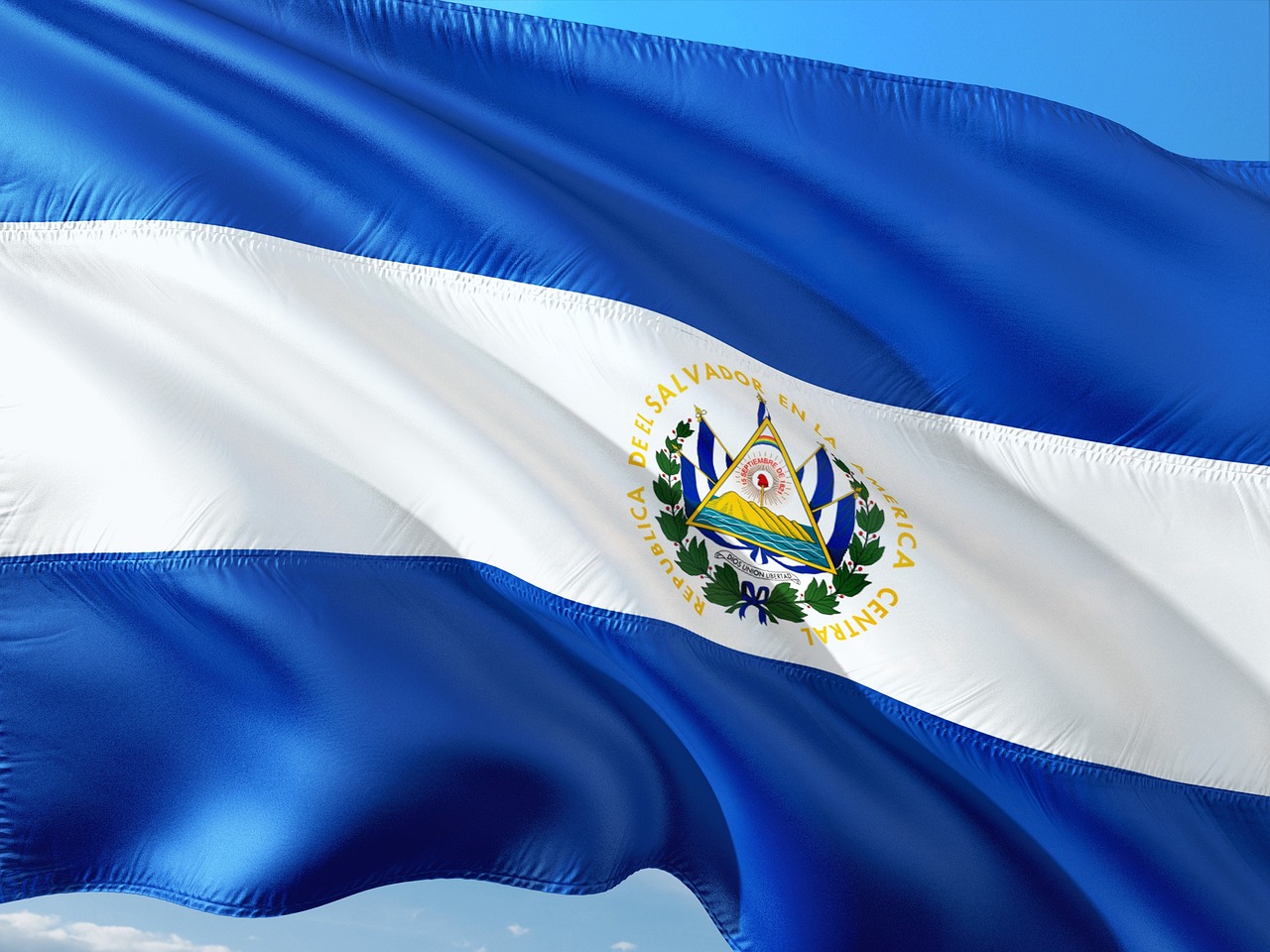
El Salvador: The Heart of Central America
El Salvador is a small Central American country. It has a border with Honduras to the north and east, Guatemala to the west, and the Pacific Ocean to the south. Although it is the smallest country in Central America, life, culture, and natural beauty are not in short supply. Many people call it “the Land of Volcanoes” because the great amount of active and dormant volcanoes have shaped its topography. Although El Salvador is a small country, it offers rich history, warm hospitality, and stunning nature. Its beaches, mountains, lakes, and ancient ruins are popular attractions among travelers worldwide. The country is developing fast and has become a growing destination for tourism, business, and adventure.
Geography and Climate
El Salvador has a very beautiful landscape, filled with volcanoes, valleys, and coastal plains. It stands on the Pacific Ring of Fire, and earthquakes and volcanic action are not unusual, though these same volcanoes result in such rich alluvial soil that agriculture is an important part of its economy. It is tropical, with basically two seasons: the dry season, which runs from November to April, and the rainy one, from May to October. The average temperature ranges from 25°C to 30°C. It can be cooler in the higher mountain regions, offering a refreshing escape from the coastal heat.
History and Culture
It is a land with a rich and deep history. Before the arrival of the Spanish in the 16th century, it was filled with indigenous groups such as Pipil, Lenca, and Maya people. The Pipil built small kingdoms and practiced farming, pottery, and trade. Later, it joined the Central American Federation but became a fully independent republic in 1841. The 20th century brought political struggles, civil war, and social change. The country suffered a civil war that affected its citizens deeply between 1980 and 1992. Finally, the Peace Accords of 1992 concluded it and ushered in a period of reconstruction. Today, Salvadorans prove to be strong, hospitable, and hopeful individuals. Their culture combines indigenous traditions, Spanish influences, and modern ways of life. Their love for life and community is expressed through festivals, music, and arts.
Economy and Development
El Salvador has a mixed economy, which depends on agriculture, manufacturing, tourism, and remittances from Salvadorans living abroad. Its main agricultural products have traditionally been coffee, sugar, and corn. Recently, technology and service industries have also started growing. The government has strived to improve infrastructure, education, and digital technologies over the last decade. In 2021, it became the first nation on earth to adopt Bitcoin as legal tender. This put El Salvador in the spotlight and at the center of heated debates about the future of digital finance. Tourism has also grown fast. The government promotes “Surf City” — a project designed to make El Salvador a top surfing and eco-tourism destination.
People and Language
Salvadorans are the people of El Salvador. They are friendly, industrious, and proud of their heritage. Most Salvadorans speak Spanish, which is the official language. Some indigenous communities preserve their traditional languages, such as Nahuatl.
Food and Cuisine
Food in El Salvador is simple, delicious, and full of flavor. The most famous dish is a thick corn tortilla called a pupusa, filled with cheese, beans, or meat. Pupusas are normally served with curtido, a spicy cabbage salad, and tomato sauce. Other traditional dishes include:
- Tamales — corn dough wrapped in banana leaves and filled with meat or vegetables.
- Yuca frita – fried cassava served with pork and pickled cabbage.
- Sopa de gallina india – a hearty chicken soup.
- Empanadas de plátano – sweet plantain pastry filled with cream or beans. El Salvador also produces great coffee, in particular from the highlands of Santa Ana and Ahuachapán, whose aroma and taste are among the best in the world.
Major Cities and Tourism
San Salvador – The Capital City
San Salvador is the capital and largest city of El Salvador. It’s a bustling urban metropolis with modern buildings, shopping malls, museums, and parks. The National Palace, the Metropolitan Cathedral, and Teatro Nacional essentially symbolize or identify the nation’s colonial and cultural history. The nearby Volcán San Salvador features hiking and panoramic views. Ancient artifacts, Mayan pottery, and crafts can be viewed at the Museo Nacional de Antropología. Nightlife, restaurants, and art galleries abound in the Zona Rosa area.
Santa Ana
The second biggest city is Santa Ana and is located in the west highlands. It is famous for its Gothic-style cathedral, Santa Ana Volcano, and Coatepeque Lake. This volcano is favored by hikers and presents an amazing view from the crater. Coatepeque Lake is an ideal place to swim and go boating due to its deep, azure water.
Suchitoto
There is the nearby Suchitlán Lake, which attracts birdwatchers and nature lovers alike. The local culture is alive with festivals, music, and traditional crafts.
La Libertad
La Libertad, on the Pacific coast, is renowned for its surfing beaches. The waves at El Tunco, El Zonte, and Punta Roca attract surfers from all over the world. This town also has seafood restaurants and a very lively beachside market. The Surf City Project of the government has improved roads, hotels, and amenities to welcome international visitors.
San Miguel
San Miguel is famous for its San Miguel Carnival, one of the largest festivals in Central America, with parades and music and traditional dance. It lies in the east of the country. Nearby lies the Chaparrastique Volcano, adding beauty to the landscape.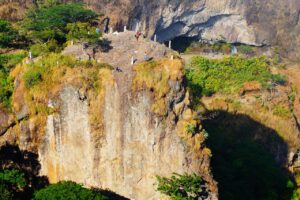
Nature and Adventure
Nature in El Salvador is very amazing: mountains, volcanoes, lakes, and beaches are all present and within short distances from each other.
Volcanoes and Mountains
El Salvador has over 20 volcanoes. Some of the most famous ones are:
- Izalco Volcano: known as “The Lighthouse of the Pacific” because it once was always active. Santa Ana Volcano is the tallest in the country, with a green sulfur lake inside its crater. San Miguel Volcano, Chaparrastique – one of the most active.
Lakes and Rivers
There are many beautiful lakes within the country. The most visited one is Lake Coatepeque, which forms inside a volcanic crater. The color of its waters changes throughout the year, sometimes turquoise and at times deep blue. Suchitlán Lake, near the city of Suchitoto, is another tranquil lake surrounded by hills and villages. The Lempa River is the longest in the country and provides fishing and hydroelectric power.
National Parks
El Salvador protects many natural areas, including:
- El Imposible National Park also consists of dense forests and wildlife. The Montecristo Cloud Forest invites visitors into its mist-shrouded trees and rare orchids.
- Los Volcanes National Park protects three volcanoes and offers spectacular viewing. These places are ideal for hiking, camping, and wildlife photography.
Arts, Music, and Festivals
Music and art are essential parts of Salvadoran life. Traditional folk music makes heavy use of marimbas, guitars, and drums. More modern forms include cumbia and reggaeton, which are popular with the youth. Festivals in El Salvador are colorful and lively. The Fiestas Agostinas in San Salvador honor their patron saint with parades and dances, while the San Miguel Carnival is another grand event with its costumed citizens, floats, and concerts. Paintings and crafts that represent Salvadoran identity and history can be viewed in galleries in Suchitoto and San Salvador.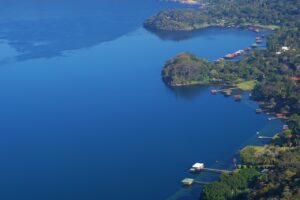
Education and Society
El Salvador considers education the only way to achieve development. The rate of illiteracy has dropped dramatically, and there is a great number of schools and institutions for higher learning. Among institutions with high academic acknowledgement are the University of El Salvador and Universidad Centroamericana José Simeón Cañas (UCA).
Transportation and Travel
Given its small size, it is easy to get around El Salvador. Most major cities are connected by road, and the main form of public transportation is the buses. Comalapa International Airport near San Salvador links the country with North America, South America, and Europe. Tourists often rent cars to explore the mountains, beaches, and cultural towns. Domestic flights are limited, but most places can be reached within a few hours by road.
Tourism Growth and Safety
Tourism in El Salvador is on the rise. Their government has focused on providing security, improving tourism services, and protecting the environment. Travelers can feel more confident while touring cities and nature parks. Eco-tourism and cultural tourism are promoting more jobs and income for local people. Projects such as Surf City, Ruta de las Flores, and the Archaeological Route have been showcased as models of diverse attractions within the country.
Surrounding Places and Regional Connections
Although El Salvador is a small country, it is surrounded by countries and natural wonders that extend its beauty. Its position in Central America makes other places around it easily accessible, filled with history, mountains, lakes, and beaches. Travelers from other parts of the world often extend their journeys to see places surrounding El Salvador during their visit to the country. These nearby places add beauty, culture, and adventure to the trips.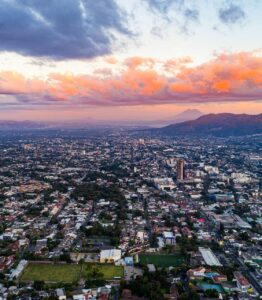
Guatemala – The Land of Volcanoes and History
To the west of El Salvador is Guatemala, with its array of ancient ruins and colorful traditions. The two countries share a common border that can be easily crossed by road. Many tourists combine both countries in one trip because they share similar landscapes and friendly cultures.
Antigua Guatemala
One of the most famous nearby destinations is Antigua Guatemala. It’s a breathtakingly beautiful colonial city with a ring of volcanoes surrounding it. Cobblestone streets, colorful buildings, and old churches make it look like a living museum. Visitors love walking around the Parque Central, going to the Santa Catalina Arch, and even exploring the ruins of old monasteries destroyed by earthquakes a long time ago. Antigua is also known for its Easter Week celebrations, when processions fill the streets with music and flowers. From El Salvador, Antigua is easily accessible within a few hours by car or bus.
Lake Atitlán
Another wonder of Guatemala is Lake Atitlán, which is approximately six hours away from El Salvador. It is surrounded by three volcanoes: Tolimán, Atitlán, and San Pedro. The peaceful blue waters and small villages lining the lake make it a serene haven. Many Salvadoran tourists visit it for weekend getaways.
Tikal National Park
Further north, within the Petén region, is Tikal, one of the most important Mayan cities. Its giant pyramids rise above the rainforest canopy. Tikal is a UNESCO World Heritage Site and must-see for those interested in ancient civilizations. Although it’s farther from El Salvador, some travellers include it in longer Central American tours.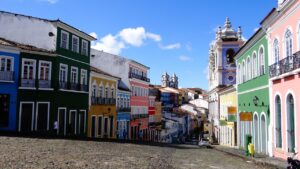
Honduras – The Neighbor to the East
To the north and east, El Salvador shares borders with Honduras, another mountainous country with rivers and colonial towns. The two countries have close links in culture, trade, and family ties. Travel between the countries is relatively easy, with many crossing points such as El Poy and El Amatillo.
Copán Ruins
Probably the most famous of all in Honduras is the Copán Ruins, which are situated near the Guatemalan border. This ancient Mayan site was known to have very detailed stone carvings and stairways featuring hieroglyphics. It was once a great center of Mayan art and science. It is possible to walk through plazas, temples, and ball courts with surrounding green hills. The nearby town of Copán Ruinas offers charming cobblestone streets, small hotels, and cafes that welcome travelers from El Salvador.
Gracias and Celaque National Park
Another beautiful stop in western Honduras is the colonial town of Gracias. It was once a capital of the Spanish Empire in Central America. The nearby Celaque National Park is home to the highest mountain in Honduras, Cerro Las Minas. Hikers love the cool forest trails and wildlife watching. Gracias is the perfect destination for nature lovers and can be easily reached by road from El Salvador via the Ocotepeque border.
Bay Islands
For those seeking a tropical getaway, Honduras provides the Bay Islands, such as Roatán and Utila.
Nicaragua – Across the Gulf of Fonseca
To the southeast, El Salvador shares the Gulf of Fonseca with Honduras and Nicaragua. The gulf is a tranquil, very beautiful bay on the Pacific Ocean dotted with small islands. It connects El Salvador to Nicaragua by sea, offering travelers a scenic route between both countries.
Islands of the Gulf of Fonseca
From the port of La Unión in El Salvador, it’s possible to take boat tours over the gulf. Islands forming part of this country include Meanguera, Conchagüita, and Meanguerita; while on the other side of the border are Nicaraguan islands such as El Tigre and Amapala, among others, featuring fishing villages and volcanic landscapes. Boating tours allow travelers to see birds, mangroves, and sunsets over the Pacific horizon; all in all, it’s a very peaceful journey full of natural charm.
León and Granada
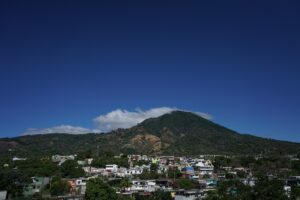
In Nicaragua, two colonial cities — León and Granada — attract visitors with colorful architecture and friendly atmosphere.
- León boasts a revolutionary past, along with a grand cathedral, a blend of art and culture, with nearby hikes to volcanoes.
- Granada is one of the oldest cities in the Americas, situated beside Lake Nicaragua. It feels timeless, with its pastel-colored buildings, churches, and horse carriages.
Both cities are connected to El Salvador by bus routes, either through the Gulf of Fonseca or along the Pan-American Highway.
Pacific Ocean – The Southern Neighbor
To the south, El Salvador meets the Pacific Ocean, giving it more than 300 kilometers of coastline. The ocean itself serves as a natural border and a key attraction. Many of the coastal areas surrounding El Salvador extend toward other Central American countries, offering endless beaches and surf spots.
Costa del Sol
One of the most famous beaches near the capital, Costa del Sol, is a short drive from San Salvador. It consists of long stretches of white sand, palm trees, and beach resorts-guaranteeing it as one place where relaxation is possible. Visitors enjoy swimming, fishing, or taking boat rides through mangroves. It’s also close to Estero de Jaltepeque, a lagoon full of birds and marine life, ideal for eco-tours.
Challenges and Future Vision
El Salvador is also grappling with inequality and a changing climate. Yet, things are improving: tourism is rising, technology is spreading, and cooperation with other nations is increasing. The vision for the future includes:
- Increasing the use of renewable energy sources. Sustainable tourism promotion. Forests and wildlife protection. Improving digital education and job creation.
The resilience and the creativity of its people continue to shape a brighter future.
Conclusion
El Salvador is a country of contrasts: small but rich in heart, history, and beauty; a natural paradise formed by volcanoes, lakes, and beaches. Sal-vadoreans are a warm and courageous people; they maintain their traditions alive while changing with time. From walking along the colonial streets of Suchitoto to climbing the Santa Ana Volcano to watching the sunset on El Tunco beach, visitors feel the charm of this country. It is with pride that El Salvador stands as the heart of Central America, offering peace, adventure, and cultural depth to all who visit. It is not just a destination; it is the experience of spirit, nature, and humanity combined under the shining sun of the Pacific.
Author

sadikhan.ceo@gmail.com
Related posts
Slovakia
- 0
- 2,323 words
Slovakia : Discover the Hidden Gem of Central Europe Tucked right in the heart of Central Europe, Slovakia is one of those...
Read out all
Singapore
- 0
- 2,246 words
Singapore : A Global City and Travel Hub Singapore’s one of those places where modern life and nature seem to fit together...
Read out all
Seychelles
- 0
- 2,644 words
Seychelles : A Dream Destination in the Indian Ocean You hear about places as “dream destinations” all the time, but Seychelles totally...
Read out all
Serbia
- 0
- 2,789 words
Serbia Travel Guide: Regions of the Balkan Nation Serbia sits right at the heart of the Balkans, and honestly, it’s one of...
Read out all
Senegal
- 0
- 2,277 words
Senegal Travel Guide: Discover the Culture, History, Tourism, and Surrounding Regions of West Africa Welcome to Senegal—a place that really captures the...
Read out all
Saudi Arabia
- 0
- 2,914 words
Saudi Arabia: A Powerful Nation in the Middle East and Global Importance of the Kingdom Saudi Arabia stands out as one of...
Read out all