
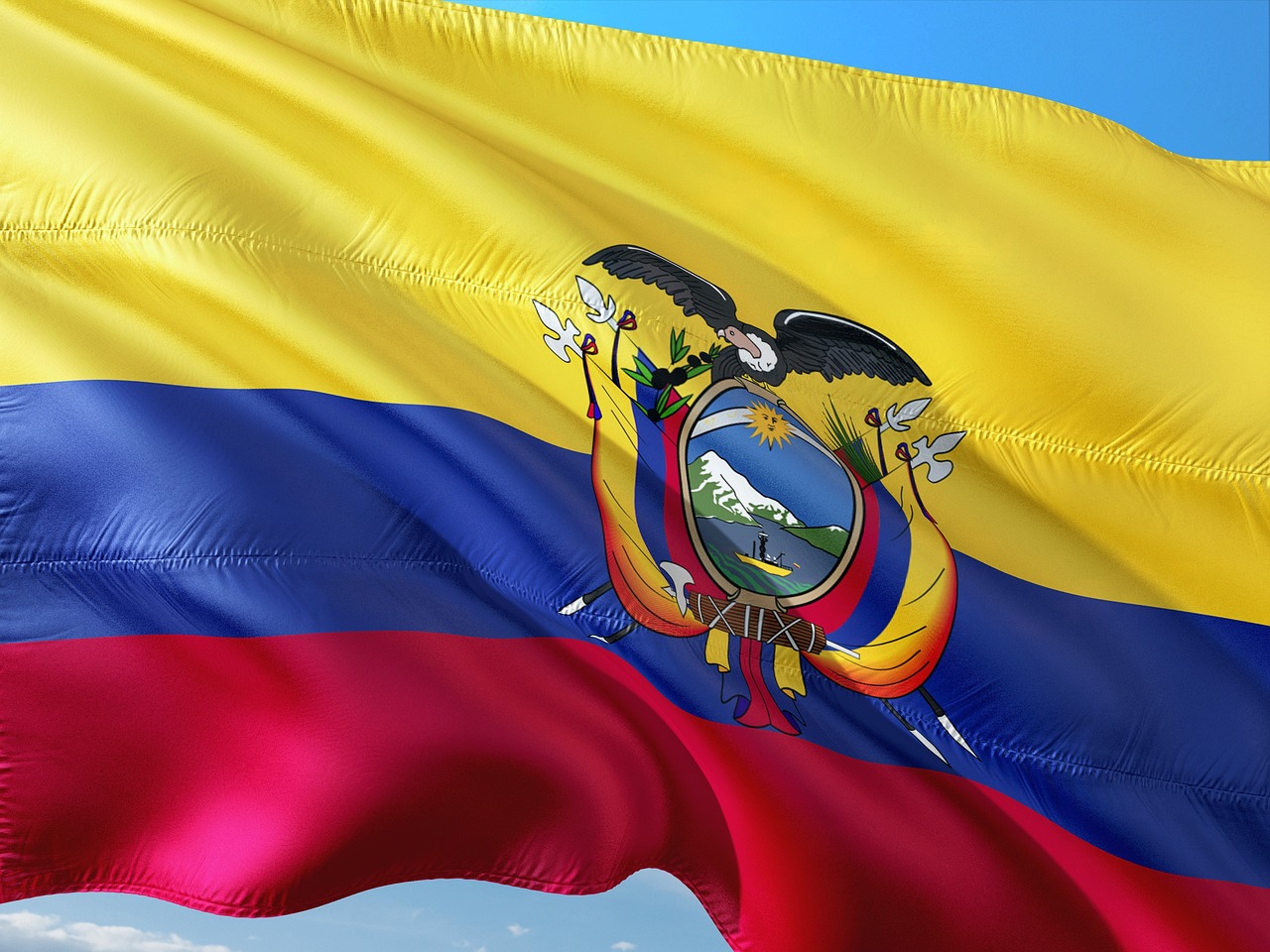
🌎 Ecuador – The Land of Four Worlds
Ecuador is a small and yet beautiful country in South America. The country lies on the equator, and this is what gives it its name. In Spanish, the word “Ecuador” means “equator.” Its unique position makes most parts of it receive the sun almost directly overhead throughout the year. Although Ecuador is small, it is full of diversity, with high mountains, tropical forests, sunny beaches, and the famous Galápagos Islands. This country offers everything a traveler could want: adventure, nature, culture, and history.
Geography and Location
Ecuador is situated along the northwestern coast of South America. Its borders are shared with Colombia to the north and Peru in the south and to the east. The Pacific Ocean is to the west. The country is divided into four main regions: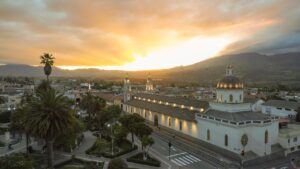
- La Costa (The Coast) – warm, tropical lowlands along the Pacific Ocean.
- La Sierra (The Highlands) is where the Andes Mountains and numerous cities are.
- The Amazon – one of the densest rainforests, full of wildlife.
The Galápagos Islands are volcanic islands that lie 1,000 kilometers off the coast. This variety gives Ecuador a nickname: “The Land of Four Worlds.” You can go from snowy mountains to sandy beaches in one day.
History of Ecuador
The land of Ecuador holds a rich and ancient history. Long before the Europeans’ arrival, several indigenous civilizations called this area their home. They built cities, traded with neighbors, and developed complex cultures. During the 15th century, the Inca Empire expanded north from Peru and took over the region. The Inca built roads and cities in the highlands. Then, in the 16th century, the Spanish conquistadors arrived. Under the leadership of Francisco Pizarro, they defeated the Incas and made Ecuador part of the Spanish Empire. For almost 300 years, Ecuador was in the possession of Spain. Ecuador won its independence in 1822 after the Battle of Pichincha. Later, with Colombia and Venezuela, it joined the short-lived union of Gran Colombia. It eventually became the separate republic of Ecuador in 1830. Since then, Ecuador has gone through political changes, turning into a stable democracy.
People and Culture
Ecuador’s population is of approximately 18 million people. The people are warm, friendly, and proud of their traditions. The country’s culture is a mix of indigenous, Spanish, and African influences. There are several ethnic groups:
- Mestizo, mixed Indigenous and Spanish – the majority. Indigenous people, who mostly lived in the Andes and Amazon.
- Afro-Ecuadorians, especially in the coastal areas like Esmeraldas.
- The official language is Spanish, but many people also speak Kichwa, a dialect of Quechua, along with other indigenous languages.
- Song and dance play an important role in the life of every Ecuadorian. The highlands have Andean music with flutes and drums, while the coastal areas love their rhythmic marimba and salsa.
Traditional clothes are very colorful: in the highlands, women often wear ponchos, shawls, and hats, while in the Amazon, indigenous tribes still wear homemade clothes made of natural fibers. Ecuadorians celebrate many festivals, including Carnival, Inti Raymi (Festival of the Sun), and Día de los Muertos (Day of the Dead).
Economy
The economy of Ecuador is very diverse. Its main sources of income include the following:
- Oil exports – from the Amazon region. Agriculture, particularly bananas, cocoa, coffee, and flowers.
- Tourism, which has grown rapidly over the past two decades. Ecuador is one of the biggest banana exporters in the world. The rich volcanic soil also accommodates coffee plantations and cacao farms.
Today, eco-tourism is a big draw. The Amazon, the Andes, and the Galápagos Islands attract those coming for nature and outdoor pursuits. The official currency is the U.S. dollar, which ensures that the economy remains stable.
Major Cities of Ecuador
Ecuador is a small but beautiful country in South America. It is filled with mountains, beaches, rainforests, and islands. The country is divided into four major regions: the Coast, Highlands, Amazon, and Galapagos Islands. Each region has unique cities, traditions, and tourist attractions.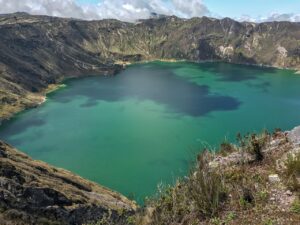
Quito – The Capital in the Clouds
Quito is the capital city of Ecuador and one of the highest capitals in the world. It sits in the Andes Mountains at about 2,850 meters above sea level. The city is famous for its cool weather, rich history, and beautiful colonial buildings.
Historic Center
Quito’s Historic Centre is a UNESCO World Heritage Site. It is filled with old churches, narrow cobblestone streets, and charming plazas. Following are some must-visit landmarks:
- Iglesia de la Compañía de Jesús, famous for its gold interior. San Francisco Church is one of the oldest in South America. The Plaza Grande is the heart of the city, with the Presidential Palace.
Mitad del Mundo
Just outside Quito is the Mitad del Mundo, or “Middle of the World” monument. Here, visitors can stand with one foot in the Northern Hemisphere and the other in the Southern Hemisphere. It is a fun and educational stop for all travelers.
El Panecillo Hill
Tourists in Quito enjoy panoramic views of the landscape from El Panecillo Hill. At the top stands a giant statue of the Virgin Mary. Quito also has museums, restaurants, and markets. The La Ronda Street is famous for its art, music, and local food. It is also a starting point for trips to nearby volcanoes like Cotopaxi and Pichincha.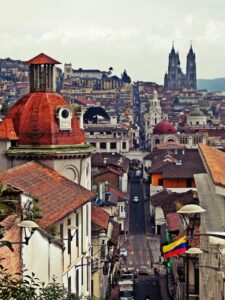
Guayaquil – The Economic Heart
Guayaquil is the largest city in Ecuador. It is located on the Pacific coast and acts as the country’s main port. The city is modern, busy, and full of energy.
Malecón 2000
One of the most popular places in Guayaquil is the Malecón 2000. It’s a favorite walking area for families and tourists, especially at sunset.
Las Peñas Neighborhood
Las Peñas is the oldest part of Guayaquil. Situated on Santa Ana Hill, it is a colorful neighborhood full of art galleries and little cafes. Visitors climb 444 steps to reach the top, where a lighthouse gives amazing views of the river and city skyline.
Guayaquil’s Role in Tourism
Guayaquil is also the entrance to the Galápagos Islands; most international flights to the islands leave from here. Many tourists spend a day or two in town before flying on to the islands.
Cuenca – The Colonial Gem
Cuenca is a beautiful city in southern Ecuador. It has colonial charm, an artistic atmosphere, and peaceful surroundings. The city is nestled in mountains and crossed by four rivers.
Historic Center of Cuenca
Another UNESCO World Heritage Site is the Historic Center of Cuenca. This contains narrow streets, stone bridges, and buildings painted in a kaleidoscope of colors with red-tiled roofs. The most famous landmark is the New Cathedral of Cuenca, with its striking blue domes.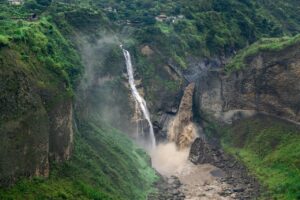
Art and Culture
Cuenca is an artistic city, it has many museums, for example, the Pumapungo Museum, whose exhibitions display Inca artefacts and traditional costumes. One can find great local markets selling handmade crafts, fashion accessories, and Panama hats — actually from Ecuador.
Lifestyle and Tourism
Tourists love Cuenca because it’s calm and friendly. Many foreigners even retire there because of its beauty and low cost of living. Cuenca also is close to beautiful places like Cajas National Park, famous for its lakes and hiking trails.
Loja – The City of Music
Loja is located in south Ecuador, bordering Peru. It is commonly known as the Musical Capital of Ecuador because it has been associated with music and art for a long period.
Culture and Art
Theaters, museums, and music festivals are held in the city year-round. One important event is the Festival of Arts and Culture, which attracts artists from all over the country.
Tourism
Loja’s peaceful streets, green parks, and affable people make it a relaxing stop for visitors. Within easy reach, travelers can explore the Podocarpus National Park, known for its cloud forests, orchids, and wildlife.
Baños – The Gateway to Adventure
Baños is a small town in the center of Ecuador, but it is one of the most visited places by tourists within the country. It is at the foot of the active Tungurahua Volcano and is surrounded by waterfalls and rivers.
Adventure Tourism
Baños is known as the Adventure Capital of Ecuador. Tourists can go:
- Ziplining over deep valleys. Rafting and kayaking in whitewater rivers. Canyoning down waterfalls. Hiking and biking through scenic mountain routes.
The Swing at the End of the World
One of Baños’s most famous attractions is the “Swing at the End of the World” at Casa del Árbol. Visitors swing high above a valley with breathtaking views of the volcano and clouds.
Hot Springs and Relaxation
Baños also features natural hot springs, giving this town its name (“baths”), which are ideal for relaxation after a day full of adventure.
Manta – The Coastal Charm
Manta is one of the largest coastal cities in Ecuador. It is an important port and a favorite spot among beach lovers.
Beaches
It has clean, wide beaches like the Playa Murciélago and Playa Santa Marianita, where one can go for swimming, sunbathing, and even kite surfing.
Seafood and Culture
Manta is well-known for fresh seafood, with preparation in dishes such as ceviche and succulent shrimp dishes. Museo del Banco Central displays the history and culture of the coastal people. Manta is also close to Montecristi, the birthplace of the original Panama hat. Visitors can tour workshops where these hats are still made by hand.
Otavalo – The Market Town
Otavalo is a small city north of Quito famous for its indigenous market. Every Saturday, the streets fill with stalls selling textiles, jewelry, pottery, and handicrafts.
Cultural Experience
This is one of the biggest markets in South America, where it is very possible to experience Ecuador’s indigenous culture and to meet native Otavalo people, who still wear their traditional clothes. Peguche Waterfall and Cuicocha Lake are nearby attractions, both set amidst stunning mountain scenery.
The Galápagos Islands – Ecuador’s Natural Paradise
While not a city itself, the Galápagos Islands are by far the most renowned place to visit in Ecuador. A little over 1,000 kilometers from the mainland, the islands are quite famous for their endemic wildlife and volcanic landscapes.
Main Islands
The four most inhabited islands are Santa Cruz, San Cristóbal, Isabela, and Floreana. Each has its own special offer: from trekking and snorkeling to diving, or simply relaxing on perfect beaches.
Wildlife
The islands are home to animals such as giant tortoises, marine iguanas, blue-footed boobies, and sea lions. It was here that Charles Darwin studied species that helped him form his theory of evolution.
Tourism
Tourism to the Galapagos is carefully managed with a view to the protection of the environment. Encouraging eco-tourism, visitors can enjoy guided tours with local naturalists.
Tourism in Ecuador – A Country of Four Worlds
Ecuador has been termed the “Land of Four Worlds” due to its varied geography. Travelers can move from the snowy Andes to tropical rainforests, from sunny beaches to volcanic islands on just one trip. Ecuador depends largely on tourism, with many tourists visiting for adventure, culture, and nature. Popular activities include hiking, climbing, bird-watching, surfing, and visiting the ruins of ancient civilizations. Ecuador also promotes eco-tourism, protecting its national parks and wildlife reserves. Some of the best-known parks include:
- Yasuni National Park in the Amazon. Cotopaxi National Park in the Andes. Machalilla National Park on the coast.
Nature and Wildlife
Ecuador is one of the most biodiverse countries in the world, with everything from glaciers to tropical forests.
The Andes Mountains
The Andes run through the center of the country. Many of Ecuador’s cities, including Quito and Cuenca, are located in the valleys of the Andes. The Avenue of the Volcanoes includes a chain of snow-capped peaks across the highlands. Among these, the most famous ones are those of Cotopaxi, Chimborazo, and Tungurahua. Chimborazo is the highest mountain in Ecuador. Curiously, due to the Earth’s bulge at the equator, the summit of Chimborazo is the closest point on Earth to the sun.
The Amazon Rainforest
The Amazon Basin covers the eastern part of Ecuador. It is hot, humid, and full of life. Here, one can find exotic animals such as jaguars, monkeys, pink river dolphins, and parrots. Places like Yasuni National Park and the Cuyabeno Wildlife Reserve, on the other hand, protect both the rainforest and their indigenous communities. One can also stay in eco-lodges, go canoeing, and meet indigenous tribes who share their traditions and knowledge of nature.
The Galápagos Islands
These islands are Ecuador’s most famous treasure. They lie about 1,000 kilometers from the mainland. The islands formed as a result of volcanic activity and have animals unique to the entire planet. Examples are the giant tortoises, marine iguanas, and blue-footed boobies. Charles Darwin visited the islands in 1835 and based his theory of evolution based on what he observed there. Nowadays, Galápagos is a UNESCO World Heritage Site and among the world’s best destinations for eco-tourism. Diving, hiking, and observing wildlife in its natural habitat are available there.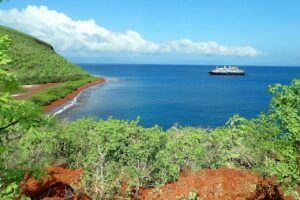
The Coast
Ecuador’s coast is warm and full of beaches, fishing villages, and resorts. Salinas and Montañita are popular for surfing and relaxation. Manta is the largest port city of the country, famous for seafood. Further north, Esmeraldas boasts beautiful beaches and a strong Afro-Ecuadorian culture with great music and dance.
Festivals and Traditions
Ecuador celebrates many colorful festivals.
- Carnival: a joyful festival before Lent, throwing water and flowers.
- Inti Raymi: The ancient Inca Festival of the Sun, celebrated in the Andes.
- Día de los Muertos: Family members visit the cemeteries and honor their ancestors.
- Fiestas de Quito: Celebrates the founding of the capital with parades, music, and dancing. Each region also has its own local celebrations with food, music, and costumes.
Education and Society
Ecuador values education and culture. The country has many universities, museums, and libraries. The Central University of Ecuador, in Quito, is one of the oldest in South America. Other museums that conserve the country’s art and history are Casa del Alabado in Quito and the Pumapungo Museum in Cuenca. Family-oriented, the people give much importance to community life. Sundays are spent in the company of relatives through sharing meals and stories.
Surrounding Places of Ecuador
Ecuador is surrounded by fascinating regions and countries that add to its cultural and natural importance.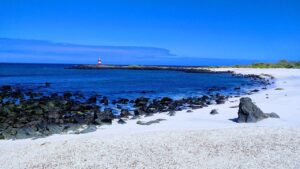
Colombia (North)
To the north, Colombia shares a border with Ecuador. Both nations have a strong cultural and historical bond. The cities of southern Colombia, such as Pasto and Ipiales, are very close to the border. The Las Lajas Sanctuary, inside a canyon near the city of Ipiales, is one of the most beautiful churches in South America.
Peru (South)
To the south lies Peru, also a country packed with diversity and steeped in history. Travelers often combine visits to Ecuador and Peru, touring Machu Picchu, Cusco, and Lake Titicaca.
Pacific Ocean (West)
To the west is the Pacific Ocean, which provides Ecuador with beautiful beaches and fishing industry. Far out to sea are the Galápagos Islands, which are surrounded by clear blue water.
The Amazon Basin (East)
To the east, Ecuador shares borders with the extensive Amazon Rainforest, which spreads towards Brazil, Peru, and Colombia. Although the jungle is shared by several nations, each side is a different experience. All these features together make Ecuador a natural crossroads of Andean, Amazonian, and coastal cultures.
Conclusion
Ecuador is truly a land of wonder. Although small, it holds mountains, rainforests, beaches, and islands-all within close proximity to each other. Its people are kind, its culture is colorful, and its nature is unforgettable. Friendly people, diverse landscapes, and endless adventure greet every kind of traveler to experience the beauty of Ecuador-from the mountains to the sea. It is a land of contrasts-from the ice-capped volcanoes of Chimborazo to the hot sands of Montañita, from the bustling streets of Quito to the silent forests of the Amazon-full of life. It is a country that welcomes travelers with open arms and leaves them with memories for a lifetime. Whether you seek adventure, peace, or inspiration, Ecuador is a journey through four worlds in one land.

Author

sadikhan.ceo@gmail.com
Related posts
Slovakia
- 0
- 2,323 words
Slovakia : Discover the Hidden Gem of Central Europe Tucked right in the heart of Central Europe, Slovakia is one of those...
Read out all
Singapore
- 0
- 2,246 words
Singapore : A Global City and Travel Hub Singapore’s one of those places where modern life and nature seem to fit together...
Read out all
Seychelles
- 0
- 2,644 words
Seychelles : A Dream Destination in the Indian Ocean You hear about places as “dream destinations” all the time, but Seychelles totally...
Read out all
Serbia
- 0
- 2,789 words
Serbia Travel Guide: Regions of the Balkan Nation Serbia sits right at the heart of the Balkans, and honestly, it’s one of...
Read out all
Senegal
- 0
- 2,277 words
Senegal Travel Guide: Discover the Culture, History, Tourism, and Surrounding Regions of West Africa Welcome to Senegal—a place that really captures the...
Read out all
Saudi Arabia
- 0
- 2,914 words
Saudi Arabia: A Powerful Nation in the Middle East and Global Importance of the Kingdom Saudi Arabia stands out as one of...
Read out all