
Durham Castle and Cathedral – A Timeless Heritage of England
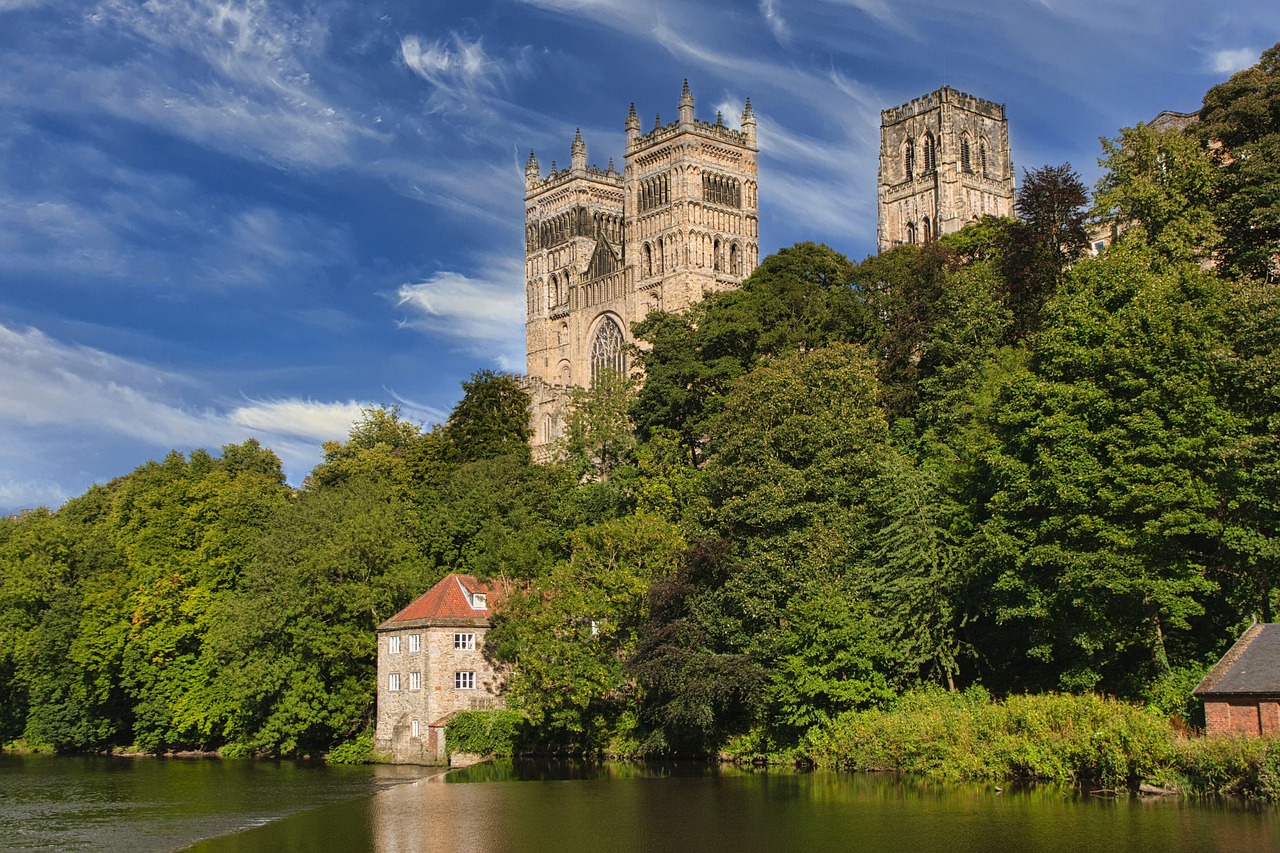
Durham Castle and the Cathedral stand proudly above the River Wear in northeast England, together forming one of the most beautiful and historic sites in the United Kingdom. These two landmarks were built on a high hill and were surrounded by green trees and ancient streets. They are not only stunningly beautiful, but incredibly significant in the history of England. Durham Castle and Cathedral represent more than 900 years of faith, power, and architecture. This site has been listed as a UNESCO World Heritage Site for outstanding design and historical value. People from around the world come to see its towers, halls, and cloisters. The city of Durham itself is peaceful and charming, thus being perfect for every kind of history enthusiast traveling in this area.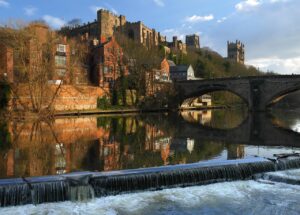
Historical Background
The story of Durham starts in the late 10th century when monks carried the relics of Saint Cuthbert, one of the most loved saints in northern England, across the region in search of a safe resting place. They finally settled on a hill surrounded by the River Wear, where they erected a small church that later became Durham Cathedral. In 1072, a few years after the Norman Conquest of England, William the Conqueror ordered the building of Durham Castle to protect the city and control the north. The castle was the residence of the Prince-Bishops of Durham. These bishops held both religious and political powers; they governed the region almost like kings. Durham Cathedral, begun in 1093, was built in honor of Saint Cuthbert. For many years, it was one of the major pilgrimage centers in England. It thus forms a powerful image of both spiritual and royal authority to combine the castle with the cathedral in medieval times.
Architecture of Durham Cathedral
Durham Cathedral is a masterpiece of Norman Romanesque architecture. Its strong design and great height make it one of the most admired cathedrals in Europe. This cathedral was built from local sandstone, so it has a warm golden hue. Its structure includes massive columns, rounded arches, and beautifully decorated vaults.
The Nave
The nave is long and high, and visitors often look upwards and admire the ribbed stone ceiling; this ribbed vault is one of the earliest examples in Europe and shows the beginning of Gothic design. Light filters in through tall windows, creating a calm and spiritual atmosphere.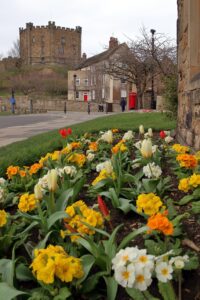
The Galilee Chapel
The Galilee Chapel was added at the west end in the 12th century and is well known for its five tall arches and colorful stone patterns. Inside the chapel lies the tomb of The Venerable Bede, monk and scholar, who is regarded as the “Father of English History.”
The Shrine of Saint Cuthbert
On its eastern end lies the Shrine of Saint Cuthbert, which has drawn pilgrims for many centuries. His relics are still buried here, and visitors come to pay respect to his life of faith and miracles.
The Tower
The central tower of the cathedral reaches 66 meters above ground. More than 300 steps can be climbed to its top for a stunning view of Durham city and the surrounding countryside.
Cloisters and Chapter House
The peaceful arches of the cloisters were used by the monks for walking and saying their prayers, while the Chapter House was utilized for meetings and teaching. These areas have been featured in famous films, including several of the Harry Potter movies. The cloisters were used as the courtyard of Hogwarts School of Witchcraft and Wizardry.
Architecture of Durham Castle
Durham Castle is set proudly opposite the cathedral, across a small green courtyard. It was built both as a fortress and residence. Its early structure was simple and defensive, with thick stone walls and towers. Over the centuries, it was transformed into a grand home for bishops and later into part of Durham University.
The Norman Chapel
The Norman Chapel, circa 1078, is the oldest part of the castle. It consists of simple round arches and thick stone pillars. Its carvings reveal early Norman art along with signs of faith.
The Great Hall
The Great Hall dates back to the 14th century and is one of England’s biggest medieval halls. It was used for feasts, gatherings, and official meetings. Nowadays, it’s a dining hall for students of Durham University.
The Keep
The castle keep, rebuilt in the 19th century on the original Norman foundation, provides wonderful views of the cathedral and the city below.
The Gatehouse and Courtyard
The gatehouse leads visitors to a small courtyard surrounded by old stone buildings. It is quiet here, linking the past and present. The castle is a living building today: university students staying in its historic rooms call it home. Visitors take guided tours down its halls, chapels, and staircases.
The City of Durham
The city of Durham is small but charming, built around the castle and cathedral that sit atop a rocky peninsula surrounded by the River Wear. Narrow cobbled streets with old stone bridges and historic houses give Durham the feel of being back in time.
Market Place
The Market Place, at the very heart of the city, boasts an array of local shops, cafes, and restaurants. This is home to the Durham Town Hall and the Statue of the Marquess of Londonderry. Each week, there is a Durham Market that sells fresh produce, crafts, and souvenirs.
Elvet Bridge and Framwellgate Bridge
Two famous bridges cross the River Wear: Elvet Bridge and Framwellgate Bridge. Both provide great views of the river below and the cathedral above.
Durham University
One of England’s oldest universities, Durham University, was founded in 1832. Its colleges are spread across the city, with Durham Castle serving as University College. The students give life to the city, blend history with youth and energy.
Riverside Walks
A tranquil walk around the castle and cathedral, the Riverside Walk offers moments of quiet, contemplation of the view, or photo opportunities of reflected buildings in the water.
Durham as a UNESCO World Heritage Site
Durham Castle and Cathedral were listed as a UNESCO World Heritage Site in 1986, attesting to the site’s outstanding value to human history and architecture. UNESCO described Durham Cathedral as “the finest example of Norman architecture in England,” and the castle as a unique example of a Norman stronghold that evolved into a palace.
Visiting Durham Castle and Cathedral
Durham Cathedral is generally open every day for visitors. Entry is usually free, although donations help maintain the site. Audio-guided tours, guided tours explaining the history, art, and architecture of the cathedral, are available. One can join in daily services, which are a continuation of the age-old tradition of worship. The Durham Cathedral Museum showcases relics, manuscripts, and other treasures from times gone by. Guided tours of Durham Castle are available, as it is still a working college. These include its Great Hall, Norman Chapel, and historic student rooms.
Cultural Importance
Durham Castle and Cathedral have helped shape English culture and identity for nearly a millennium, serving as a testament to the power of faith, learning, and resilience. It also inspired numerous writers, such as Sir Walter Scott and J.R.R. Tolkien, even lending its dramatic architecture to settings in fantasy and film. Durham hosts every year a number of cultural festivals, such as the Lumiere Light Festival, where buildings are nicely decorated with light. Further, it hosts music concerts and university events, combining history with modern creativity.
Surrounding Places of Durham
Durham Castle and Cathedral proudly overlook the River Wear from a hill. Around them, you will find a city full of history, green spaces, and quiet beauty. The surrounding places make Durham even more special. They tell stories of faith, nature, and local life. Let’s explore them in detail.
Durham City Centre
The heart of Durham is small, compact, but very charming. Just a few minutes’ walk from the castle and cathedral, it has cobblestone streets and old buildings. You can visit Durham Market Place, which has been active for centuries. It is full of small shops, cafés, and restaurants. Local people come here to buy fresh food, flowers, and crafts. The Durham Indoor Market is also nearby. Inside, you will find over 50 stalls selling everything from handmade gifts to local cheese and sweets. The central figure of the square is the Town Hall and the Statue of the Marquess of Londonderry; daytime is filled with tourists, students, and families, while the old stone walls are warmly lit at night.
Elvet Bridge and Framwellgate Bridge
Two beautiful bridges span the River Wear. The 12th-century Elvet Bridge connects the cathedral area to the shops and cafes on the east side of the river and is one of the oldest bridges in continuous use in England. It’s like traveling in time as you cross it. The nearby Framwellgate Bridge provides sensational views of the cathedral and castle only a few minutes away. It is a favorite spot for photographers. You can stand on the bridge and see the cathedral’s towers rise high above the trees. The top of the riverbanks is a tranquil spot where one can walk or even hire a small boat during summer. The quacking of ducks and swans gliding across the water add to the serenity of this place.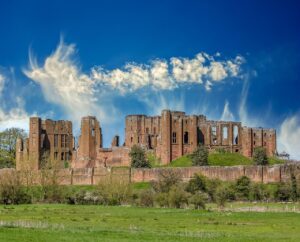
Durham Riverside Walks
The Riverside Walk is one of the prettiest walks within the city. It circles the castle and cathedral, following the curves of the River Wear. It takes about 45 minutes at a slow pace. Along the way, you will see trees, flowers, and the reflections of the cathedral in the water. During spring, the riverside is full of blossoms. In autumn, the leaves turn gold and red. It’s the perfect place for a quiet stroll, photography, or a morning jog. Visitors can sit and enjoy the scenery along the path on the benches. The sound of the river makes for a very relaxing and peaceful walk.
Durham University Botanic Garden
One of the region’s most beautiful green spaces can be found a short distance from the city center: Durham University Botanic Garden, a 10-hectare garden with plants from all over the world. The complex features tropical glasshouses filled with palms, orchids, and cacti. Outside, there are woodlands, meadows, and themed gardens such as an Oriental Garden and an Alpine Garden. There are birds and butterflies throughout, and a small café where visitors can sit and rest. It is open all year, but there are new colors and scents every season. It is a very quiet respite from busy Durham streets.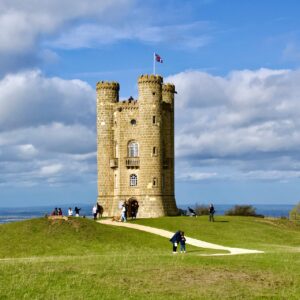
Crook Hall and Gardens
Just a few minutes’ walk from the cathedral lies Crook Hall and Gardens, which is one of Durham’s hidden treasures. The hall dates back to the 13th century and is a medieval house. The gardens are full of charm with rose bushes, ponds, and shaded paths. The Garden Café provides afternoon tea, while the historic rooms of the house give great opportunities to explore. Because of its romantic atmosphere, Crook Hall is often used for weddings and events. The view of the cathedral from its garden is stunning, especially when the sun is setting.
Finchale Priory
Some four miles north of Durham lies the peaceful ruin of Finchale Priory, set beside the River Wear. It was originally constructed in the 12th century for monks to rest and pray. The remains consist of stone arches, doorways, and windows open to the sky. The area is surrounded by nature. You can hear birds singing and the gentle sound of the river nearby. There are walking trails along the banks and picnic spots under large trees. Finchale Priory may be only a short drive away from the hubbub, but it feels like another world.
Beamish Museum
About 10 miles north of Durham lies the Beamish Museum. An open-air museum showcasing northern England as it would have been back in the 1800s and early 1900s. It contains old-fashioned villages, farms, and workshops that one can visit. There are people dressed up, driving trams, cooking traditional food, and telling stories from the past. You may ride an old bus, visit a coal mine, or stop at a vintage sweet shop. Beamish is a place of fun, education, and entertainment for children and adults alike, bringing history to life in a way books cannot.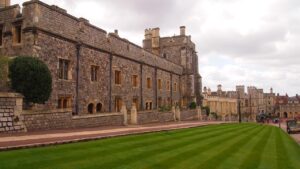
Durham Heritage Coast
A short drive from Durham, the Durham Heritage Coast stretches from Seaham to Crimdon Dene and is renowned for its wild beauty. The dramatic cliffs, quiet beaches, and walking trails with panoramic views of the ocean are some of its features. Seaham Beach is particularly famous for sea glass-smaller pieces of glass that the waves have worn smooth. Many people come to collect these colorful treasures. The Nose’s Point Nature Reserve near Seaham presents fabulous sea views and provides a good bird-watching experience. It is quiet here, and the salty air feels invigorating.
Auckland Castle
About 12 miles south of Durham lies Auckland Castle, one of northern England’s most historic residences. It was the home of the Prince-Bishops of Durham for hundreds of years. Recently restored, the castle now contains art galleries, exhibitions, and a museum that tells the story of faith and power in the region. The surrounding parkland is great for walking, while the Auckland Tower nearby offers wide views of the countryside. Bishop Auckland is also a charming town with shops and cafés and the Kynren Open-Air Show, a spectacular performance that tells 2,000 years of British history with light, music, and drama.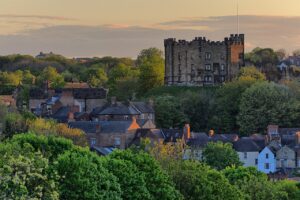
Tourism and Travel Information
Durham has good road and rail links. Durham Railway Station is located only 10 minutes’ walk from the cathedral. From luxury to budget options, a number of hotels and guesthouses are available within the city. Some of the popular options include Hotel Indigo, Radisson Blu, and several cozy inns along the river. Local restaurants also offer both English and international food. They should try fish and chips, Sunday roast, or afternoon tea at local cafés. Guided walking tours are available, covering hidden stories and legends of the city.
Conclusion
Together, Durham Castle and Cathedral evoke a story of faith, strength, and beauty. They have been guardians over the city for nearly a millennium, inspiring countless visitors. From the high tower of the cathedral to the quiet hallways of the castle, history resides in every corner. The surrounding landscape, rivers, and villages further create Durham. Whether you come to learn, to pray, or merely to admire, Durham welcomes you with open arms. Its stones whisper tales of kings, monks, scholars, and dreamers-all part of the timeless heritage that makes England great.
Author

sadikhan.ceo@gmail.com
Related posts
Lisbon Travel Guide
- 0
- 2,266 words
Lisbon Travel Guide – A Beautiful Coastal Capital with Culture and Value Lisbon pops up on pretty much every list of Europe’s...
Read out all
Prague Travel Guide
- 0
- 2,455 words
Prague Travel Guide – A Magical European Destination Full of History and Charm If you’re dreaming of a city that looks and...
Read out all
Berlin Travel
- 0
- 2,097 words
Berlin Travel Guide – A City of History, Culture, and Modern Energy Berlin isn’t your typical European capital—it buzzes with history and...
Read out all
Amsterdam Travel Guide
- 0
- 2,602 words
Amsterdam Travel Guide – A City of Canals, Culture, and Timeless Beauty Honestly, Amsterdam is one of those cities that just grabs...
Read out all
Barcelona, Spain
- 0
- 2,340 words
Barcelona, Spain Travel Guide – A Vibrant Mediterranean City Barcelona feels alive, no matter what time of year you show up. The...
Read out all
Male, Maldives
- 0
- 2,442 words
Malé, Maldives Travel Guide – The Capital of Island Paradise Malé might be tiny compared to other capitals, but it’s at the...
Read out all