
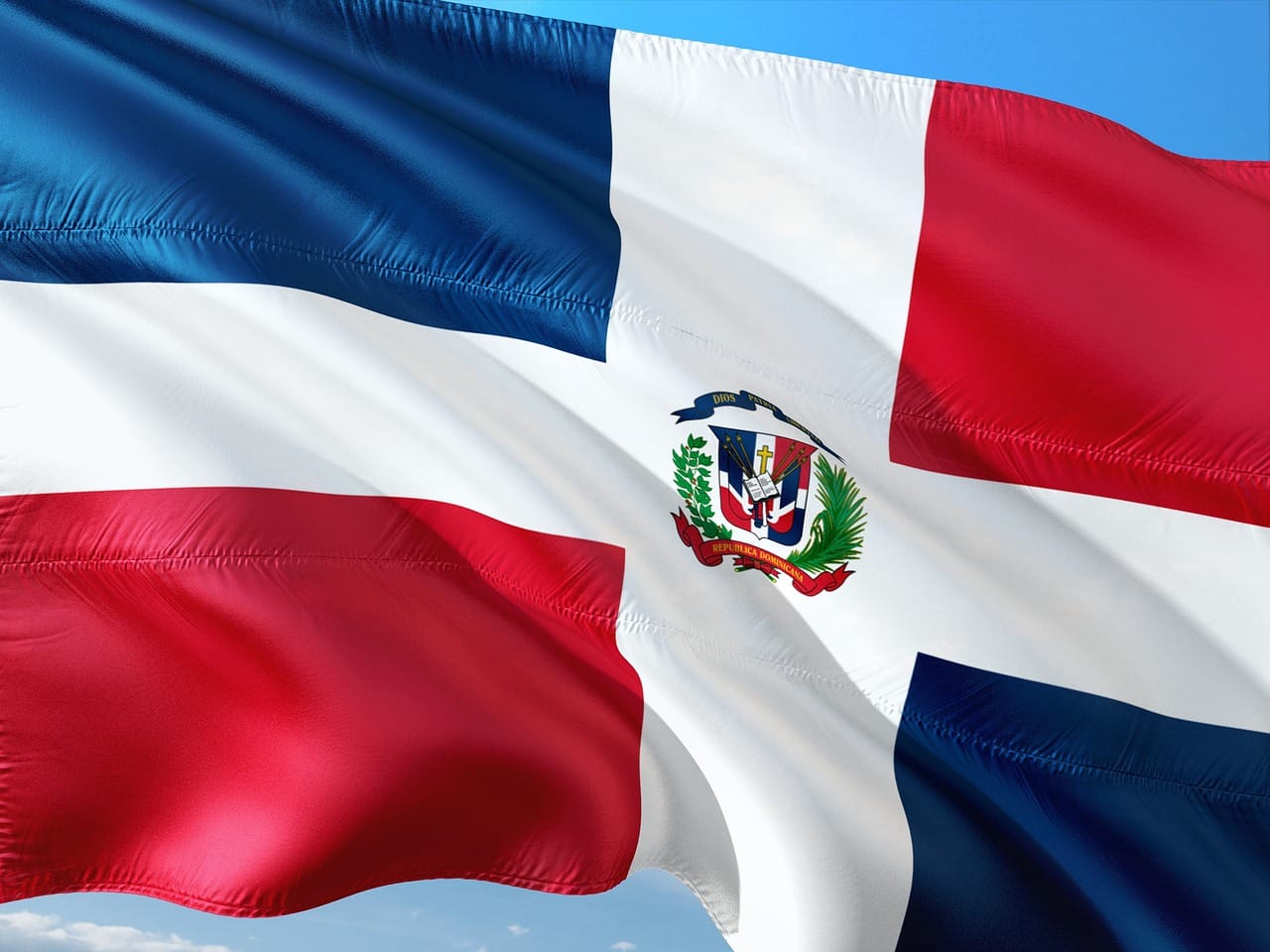
Dominican Republic – A Tropical Paradise of the Caribbean
The Dominican Republic is a beautiful country in the Caribbean region. It shares the island of Hispaniola with Haiti. Its location ranges from the Caribbean Sea to the Atlantic Ocean. It is one of the most visited countries in the Caribbean, famous for its tropical beaches, lush mountains, rich history, and vibrant culture. The Dominican Republic has something for every traveler — from white sandy beaches and luxury resorts to colonial towns and green valleys. It offers a mix of African, Spanish, and Taino influences in its culture, food, and music.
Geography and Climate
The Dominican Republic is a country of contrasts. With a total area of approximately 48,000 square kilometers, it is the second-largest nation in the Caribbean, after Cuba. The island’s landscape is comprised of mountains, valleys, plains along its coasts, and tropical forests. This island contains the Cordillera Central mountain range running through the center. It houses Pico Duarte, the highest peak in the Caribbean, standing to a height of about 3,100 meters above sea level. To the south is the Caribbean coastal plain, which has rich soil to support farming and sugarcane plantations. The north coast is known for its golden beaches and turquoise waters. To the east lies the country’s top tourist region: Punta Cana. The climate is generally tropical and warm throughout the year. The temperature ranges from about 25°C to 31°C. The dry season runs from December through April, while the rainy season runs from May to November. With this tropical weather, the Dominican Republic is a perfect holiday destination at any time of the year.
History and Heritage
The Dominican Republic has an exciting history, having been the first European colony in the Americas. Christopher Columbus landed on the island during his first voyage in 1492. He founded La Isabela, which was the first permanent European settlement in the New World. The island was once populated by the Taino people, living very peacefully and farming the land. After Columbus arrived, however, the indigenous population decreased due to diseases and colonization. In 1496, Santo Domingo was founded. It became the first European city in the Americas and served as the capital of the Spanish colony. Through the centuries, different power struggles took hold over the island.
Culture and People
Dominican culture is colorful, full of life, and combines Spanish traditions, African rhythms, and native Taino influences. Music lies at the heart of everyday life. The country is the birthplace of merengue and bachata, two dance styles that are widely popular all over the world. You’ll hear these pulsating beats everywhere, from city streets to beach bars. Dominicans are warm, friendly, and proud of their heritage. They love festivals, baseball, and family gatherings. Spanish is the official language, but English is largely spoken in most tourist areas. The predominant religion is Roman Catholicism, although most locals have combined Catholic practices with African spiritual traditions.
Major Cities and Attractions
Santo Domingo – The Capital City
Santo Domingo is the capital and largest city. It is a dynamic combination of old and new. The Colonial Zone, or Zona Colonial, was recognized as a UNESCO World Heritage Site. There is an abundance of cobblestone streets, old churches, and colonial buildings. Important landmarks include:
- Catedral Primada de América – the oldest cathedral in the Americas.
- Alcázar de Colón – the former home of Christopher Columbus’s son, Diego. The Ozama Fortress is one of the oldest European forts in the Caribbean.
In Santo Domingo there are also modern shopping centers, fine restaurants, and a bustling nightlife. The Malecón seaside boulevard is especially popular among both locals and tourists.
Punta Cana – The Beach Paradise
Punta Cana is the most famous Dominican Republic resort area, situated on the eastern coast of the island. Here, endless white-sand beaches, crystal-clear waters, and luxury resorts compose a dreamlike setting. Popular beaches include Bávaro Beach, Macao Beach, and Juanillo Beach. These activities include snorkeling, diving, parasailing, and deep-sea fishing. Punta Cana is famous for its all-inclusive resorts, golf courses, and dynamic nightlife. Other nearby attractions include Scape Park for swimming in natural cenotes/limestone pools and Indigenous Eyes Ecological Park, which is a beautiful nature reserve.
Puerto Plata – The Northern Gem
Puerto Plata is situated along the Atlantic coast and is famous for both its historic sites and beaches. The major attraction of the city is the Mount Isabel de Torres, which can be ascended using a cable car.
Santiago de los Caballeros
Santiago is the country’s second largest city and the north’s cultural hub, featuring a rich history, charming squares, and museums. This city is a source of national pride due to the presence of the Monument to the Heroes of the Restoration. Santiago is also known for its exciting nightlife, music festivals, and cigar production.
Samaná Peninsula
Samaná is one of the most beautiful regions in the Dominican Republic; it possesses unspoiled beaches, waterfalls, and tropical forests. A highlight is the El Limón Waterfall, which cascades 50 meters into the pool below, surrounded by lush greenery. Then there is one of the most famous beaches, Playa Rincón, which is often included in lists of the best beaches in the world. Between January and March, visitors may also witness one of the most spectacular natural sights in the Caribbean: humpback whales migrating to Samaná Bay.
La Romana
La Romana is a sumptuous coastal city famous for its resorts and golf courses. The area’s top attraction is Altos de Chavón, a reproduction of a 16th-century Mediterranean village perched atop a cliff overlooking the Chavón River. Closer by are Bayahibe and Dominicus Beach, doorways to the tropical paradise of Saona Island, with its palm-lined beaches and crystal-clear waters, great for swimming and snorkeling.
Jarabacoa
Called the “City of Eternal Spring,” Jarabacoa is located in the central mountains. The climate is cool and pleasant. Nature and adventure enthusiasts like it. Some of the activities include rafting, hiking, paragliding, and horseback riding. The Jimenoa Waterfall and Baiguate Waterfall are also nearby and worth seeing.
Barahona
Barahona, in the southwest, is known for its wild landscapes and beautiful coastline. It is less crowded, offering an authentic Dominican experience. The region’s highlights include the very isolated Bahía de las Águilas, an untouched beach generally considered one of the most beautiful in the Caribbean. Neighboring Jaragua National Park shelters rare species of birds, reptiles, and plants.
Nature and National Parks
This country is blessed with natural beauty, having more than 20 national parks and protected reserves. Among them, the most remarkable are:
- Los Haitises National Park, famous for its limestone cliffs, mangroves, and ancient Taino cave paintings.
- Jaragua National Park – a UNESCO Biosphere Reserve with flamingos and iguanas.
- Valle Nuevo National Park – offers pine forests and mountain trails.
Economy and Tourism
The Dominican Republic boasts one of the most rapidly growing economies within the Caribbean. Tourism plays a major role, drawing millions of visitors each year. Other important sectors are agriculture, mining, manufacturing, and services. The country exports sugar, coffee, cocoa, and tobacco. Tourism creates jobs and supports small local businesses. The government fosters eco-tourism and cultural heritage to preserve natural areas and local traditions.
Festivals and Events
Dominicans love to celebrate. Festivals are full of music, color, and dance.
- Carnival (February): The biggest celebration, including parades, costumes, and merengue music.
- Merengue Festival (July): Events in Santo Domingo celebrating the nation’s favorite dance.
- Holy Week: the time when religious processions and meetings with family take place.\
- Also popular is the Puerto Plata Jazz Festival and the Samaná Whale Festival. These festivals reflect the country’s joie de vivre and its cultural largesse.
- Places of Interest around the Dominican Republic: Gateway to the Caribbean.
Surrounding Places of the Dominican Republic – A Gateway to the Caribbean
The Dominican Republic is near some of the most beautiful places in the Caribbean region. Its location in the heart of the Greater Antilles makes it a perfect starting point for exploring nearby islands, seas, and countries. Each surrounding place has its own charm, culture, and natural beauty.
Haiti – The Neighbor on the Same Island
To the west of the Dominican Republic is Haiti. Haitian art has been recognized for its vibrant colors combined with symbolic style. To the north, there is a scenic coastal city called Cap-Haïtien. It boasts old French colonial architecture and is close to Citadelle Laferrière, one of the most impressive forts in the Caribbean. This mountain fortress was built in the early 19th century and is considered a UNESCO World Heritage Site. Haiti also has natural wonders. The Labadee beach area, which is utilized by cruise ships, is highly popular for swimming and water sports. Bassins Bleu waterfalls near Jacmel should not be missed. Despite the Dominican Republic and Haiti sharing one island, their traditions, languages, and lifestyles are entirely different. Moving from one to another allows visitors to see deeper into Caribbean history and culture.
Puerto Rico – The Island of Enchantment
To the east, across the Mona Passage, is the island of Puerto Rico. It is just an hour flight from the Dominican Republic. Puerto Rico is an island of natural beauty and modern comfort. Colorfully painted colonial structures and cobblestone streets mark San Juan, the capital city. The historic sites that are found within the Old San Juan district include Castillo San Felipe del Morro and Castillo de San Cristóbal. These old forts protected the island from pirates and invasions centuries ago. Beautiful beaches can also be found in Puerto Rico. Among the best are Condado Beach, Luquillo Beach, and Flamenco Beach on Culebra Island. El Yunque National Forest is a tropical rainforest full of waterfalls and hiking trails for the nature lover, while Puerto Rico’s bioluminescent bays, like the one in Vieques, radiate an otherworldly glow after dark; the effect of millions of minuscule sea organisms lighting up. The blend of Spanish, African, and American influences on the island provides a heady mixture. Salsa music, street festivals, and delicious food allow Puerto Rico to be a vibrant neighbor to the Dominican Republic.
Cuba – The Vintage Island
Northwest of the Dominican Republic is Cuba, the largest island in the Caribbean, about 500 kilometers across the Caribbean Sea. Cuba is known for its vintage cars, colonial architecture, and music-filled streets. The capital, Havana, is home to a quaint old town called La Habana Vieja, which is indeed a UNESCO World Heritage Site. Travelers can take in narrow streets lined with colorful buildings, the sounds of live salsa bands, and classic 1950s cars. The slow pace, warm people, and artistic culture make Cuba one of the most interesting surrounding places near the Dominican Republic.
Turks and Caicos Islands – The Coral Paradise
To the north, the Turks and Caicos Islands sparkle like jewels in the Atlantic Ocean, a short flight from the Dominican Republic, known for their crystal-clear waters, white beaches, and coral reefs. The Turks and Caicos Islands are a tranquil retreat with a hint of luxury. Its location is north of the Dominican Republic.
The Bahamas – Island Chain of Beauty
Further north is The Bahamas, with over 700 islands and cays. Although a little farther from the Dominican Republic, it is considered one of the region’s premier travel destinations. To and from the Dominican Republic, flights and cruises often connect to the Bahamas, creating a perfect Caribbean circuit.
The Virgin Islands – A Twin Destination
To the east of Puerto Rico are the Virgin Islands, which are divided into the U.S. Virgin Islands and the British Virgin Islands; both are famous for sailing, beaches, and clear waters. In the U.S. Virgin Islands, popular stops include St. Thomas, St. John, and St. Croix. St. John’s Trunk Bay is home to one of the most photographed beaches in the Caribbean. The British Virgin Islands include Tortola, Virgin Gorda, and Anegada; each is known for peaceful bays and coral reefs. These islands are easily accessible through connecting flights from the Dominican Republic. Together, they offer a chance to enjoy luxurious island hopping.
Jamaica – The Rhythmic Island
To the west-northwest is Jamaica, another beautiful Caribbean country. It is famous for its reggae music, mountains, and waterfalls. The capital, Kingston, is thus the heart of Jamaican music and culture. Visitors will want to see the Bob Marley Museum and local markets. Montego Bay, Ocho Rios, and Negril are top tourist areas. Dunn’s River Falls is one of Jamaica’s most famous landmarks: a waterfall you can climb. With its tropical charm and vibrant culture, Jamaica is an ideal nearby destination for travelers touring the Caribbean.
Lesser-Known Surrounding Islands
Besides the bigger nations, the Dominican Republic is surrounded by small islands and cays that belong to its territory or to the neighboring countries.
- Saona Island: Located off the southeastern coast, this is a part of Del Este National Park, famous for its coral reefs and tranquil lagoons.
- Catalina Island: Located near La Romana, ideal for snorkelling and diving.
- Cayo Levantado (Bacardi Island): close to Samaná Bay, famous for humpback whale observation and tropical beauty.
Conclusion
The Dominican Republic is more than just a beach destination; it’s a country of life, history, and nature. From the old streets of Santo Domingo to the luxury resorts of Punta Cana, from the waterfalls of Samaná to the peaks of Jarabacoa, the country has something for every kind of interest. Its warm people, tropical weather, and colorful culture make it one of the friendliest destinations in the Caribbean. Surrounded by other islands and rich seas, the Dominican Republic stands proudly as a paradise for both adventure and relaxation. It is a place where the rhythm of merengue meets the sound of ocean waves — a land which stays in the heart of every traveler.
Author

sadikhan.ceo@gmail.com
Related posts
Slovakia
- 0
- 2,323 words
Slovakia : Discover the Hidden Gem of Central Europe Tucked right in the heart of Central Europe, Slovakia is one of those...
Read out all
Singapore
- 0
- 2,246 words
Singapore : A Global City and Travel Hub Singapore’s one of those places where modern life and nature seem to fit together...
Read out all
Seychelles
- 0
- 2,644 words
Seychelles : A Dream Destination in the Indian Ocean You hear about places as “dream destinations” all the time, but Seychelles totally...
Read out all
Serbia
- 0
- 2,789 words
Serbia Travel Guide: Regions of the Balkan Nation Serbia sits right at the heart of the Balkans, and honestly, it’s one of...
Read out all
Senegal
- 0
- 2,277 words
Senegal Travel Guide: Discover the Culture, History, Tourism, and Surrounding Regions of West Africa Welcome to Senegal—a place that really captures the...
Read out all
Saudi Arabia
- 0
- 2,914 words
Saudi Arabia: A Powerful Nation in the Middle East and Global Importance of the Kingdom Saudi Arabia stands out as one of...
Read out all