
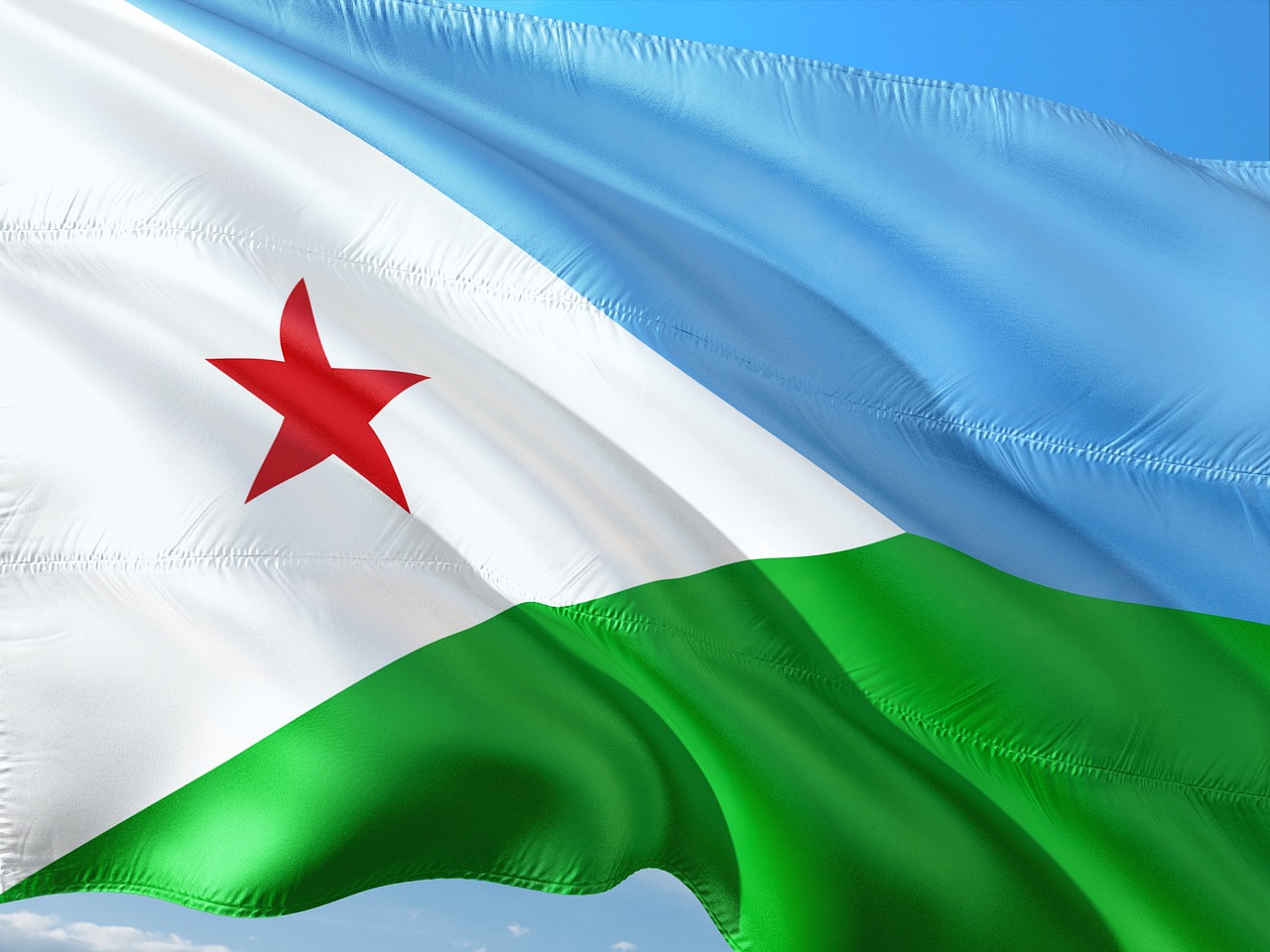
Djibouti – A Land of Desert, Sea, and Culture
Djibouti is a small but breathtakingly beautiful country in the Horn of Africa. It faces the Red Sea and the Gulf of Aden. While it is small, it is very significant because it lies between Africa and the Middle East. It links the two continents through trade and sea routes. Djibouti is also well-known for its arid deserts, volcanic landscapes, and blue waters. It is also famous for its people, who are friendly and diverse. The country has a mix of African, Arab, and French influences that make it special and unique.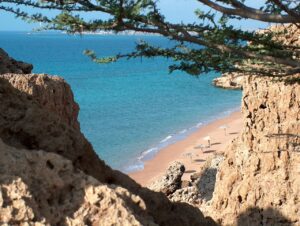
Geography and Climate
Djibouti covers an area of about 23,200 square kilometers. It borders Eritrea to the north, Ethiopia on the west and south, and Somalia to the southeast. To the east is the Gulf of Aden, part of the sea route that links Europe with Asia and considered one of the busiest waterways in the world. Across the Red Sea, Djibouti faces Yemen, which falls under the Arabian Peninsula. Djibouti is a country of dramatic and striking geography, largely comprising deserts and mountains. The different geological zones divide the country across the path of the Great Rift Valley. In the Danakil Desert lies the famous Lake Assal, situated about 155 meters below sea level; this makes it the lowest point in Africa and one of the saltiest bodies of water in the world. Because of its white salt crust and turquoise color, the lake attracts many visitors. The climate of Djibouti is very hot and dry. Rainfall is low, and the temperature sometimes shoots above 45°C in summer, though near the coast, sea breezes make it a little cooler. Vegetation is limited due to the heat and dryness, but there are some oases and mangrove forests along the coastline.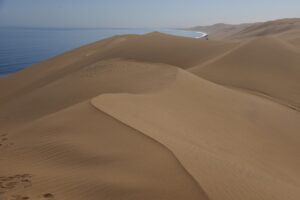
History and Culture
Djibouti is a country with a long and rich history. For thousands of years, the area has been an important meeting point for traders, travelers, and explorers. Ancient trade routes connected Africa to Arabia and Asia through the ports of modern-day Djibouti. Salt, spices, gold, and ivory were carried across the deserts in caravans to reach the Red Sea. The region was once a part of the Land of Punt, an area known to the ancient Egyptians. Later, Somali and Afar tribes had settled there; following those, Arab merchants also moved in bringing Islam around the 9th century. Today, Islam is the main religion of Djibouti. In the 19th century, France colonized Djibouti, and it became a French colony then known as French Somaliland. The French developed the port and the Addis Ababa–Djibouti railway, which connected Ethiopia to the sea. After many years, Djibouti attained independence on June 27, 1977. Since then, it has been an oasis of stability and peace amidst a generally conflict-prone region. Djiboutian culture is a mix between African and Arab traditions. Thus, the people are predominantly from two ethnic groups: the Somali and the Afar. Both possess a rich oral tradition, poetry, and music. The official languages are French and Arabic, although many people speak Somali and Afar. Djiboutians are friendly, colorful in their garments, and very communal.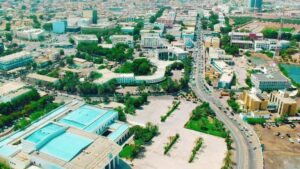
Economy and Development
The economy is based mainly on its strategic port, which serves as a gateway for imports and exports for landlocked Ethiopia and other African countries. The Port of Djibouti is one of the busiest in East Africa. To attract business and investment, the government has built free trade zones and modern shipping facilities. Logistics and transport is another fast-growing part of the country’s economy. Djibouti has a railway line, while a number of its highways can link up with Ethiopia. It has international military bases from countries like the United States, France, and China. These provide income and stability to the nation. Tourism is gradually becoming established. Tourists come for the desert landscapes, coral reefs, and lakes. The country also has potential for renewable energy-especially geothermal power-from its volcanic areas.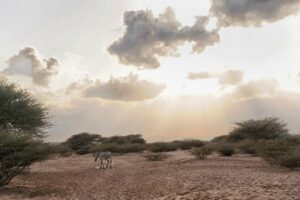
Major Cities and Towns
Djibouti City
Djibouti City is the capital and largest city; it is located on the coast of the Gulf of Tadjoura. Modern and very lively, the city comprises a meld of African, Arab, and European cultures. The streets present a kaleidoscope of color with markets, restaurants, and mosques. The old part of town has narrow lanes and colonial-style buildings, while the new areas have modern offices and hotels. Nearby is the Port of Djibouti, which is the country’s major economic focal point.
Tadjoura
Tadjoura is one of the oldest towns in the country. It lies on the north side of the Gulf of Tadjoura, off the southern coast of the Gulf of Aden. The town is known for its whitewashed houses and peaceful atmosphere. It was once an important trading center for ivory and slaves. Today, Tadjoura is a gateway to the mountains and national parks of the north.
Ali Sabieh
Ali Sabieh is the second largest city in Djibouti. It lies near the Ethiopian border and is surrounded by rocky hills and desert plains. It is an important transport link between Djibouti City and Ethiopia. The town has markets, cafes, and local workshops.
Obock
Obock is a small coastal town on the northern side of the Gulf of Tadjoura. In the 19th century, it was the first French settlement in Djibouti. Obock has historical importance and scenic coastal views. Fishermen and traders still work along its shores.
Dikhil
Dikhil is situated in the south of the country. It is a small desert town set between acacia trees and dry plains. The Afar and Somali tribes are the primary inhabitants of this region. Dikhil has traditionally been referred to as the “Gateway to the Desert.”
Tourism and Natural Attractions
Djibouti may be a small country, but it boasts some of the most spectacular natural views in East Africa: scorching deserts meet blue seas and volcanic mountains. Tourism in the country is still developing, but untouched landscapes and hospitable people make it ideal for those who love adventure, nature, and peacefulness.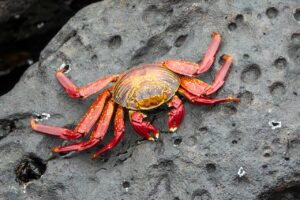
Lake Assal – The Jewel of Djibouti
Lake Assal is one of the most famous natural sites in Djibouti. It lies in the Danakil Depression, about 120 kilometers west of Djibouti City. This lake is the lowest point in Africa, lying 155 meters below the sea level. It is also the third-lowest point on Earth, aside from the Dead Sea and the Sea of Galilee. Not only is Lake Assal very low, but it is also very salty, one of the saltiest in the world. Many tours combine Lake Assal with trips to nearby volcanoes and the Gulf of Tadjoura.
Lake Abbe – The Land of Steam and Stone
Another fantastic destination is Lake Abbe, lying on the border between Djibouti and Ethiopia. It forms part of a chain of six interconnecting lakes fed by the Awash River. Lake Abbe is sometimes described as one of the most otherworldly landscapes on the planet. Limestone chimneys rise from the ground, like giant pillars, and can be found in the area around Lake Abbe. Some reach heights of more than 50 meters. Hot springs bubble and steam between them to create a surreal, dreamlike view.
Day Forest National Park – The Green Heart of Djibouti
Although Djibouti is mostly a desert country, there is one green paradise hidden in the mountains: Day Forest National Park. It lies in the Goda Mountains, northwest of Tadjoura, at an altitude of about 1,500 meters. It is one of a few places in the country where you can find trees, flowers, and wildlife. The park is covered in juniper forests, acacia trees, and wild olives. As well as many animals, from baboons, leopards, and antelopes to over 90 species of birds, including the rare Djibouti francolin, found nowhere else in the world. Hiking trails take visitors through the forest and up to viewpoints overlooking the Gulf of Tadjoura. After the heat of the desert, cool air and green scenery are refreshing. Local guides can explain plants and animals; visitors can camp or picnic in designated areas.
Moucha and Maskali Islands – Paradise in the Red Sea
Located a few minutes off the coast of Djibouti City are the small coral islands of Moucha and Maskali, situated in the Gulf of Tadjoura, surrounded by crystal-clear blue waters and colorful coral reefs. These islands are perfect for relaxation and enjoyment in the heart of nature. Snorkelling, diving, and swimming are some of the most popular tourist activities on these islands. The coral reefs are home to tropical fish, turtles, and even dolphins from time to time. Between November and February, lucky visitors might catch a glimpse of whale sharks, the largest fish in the world, which are harmless.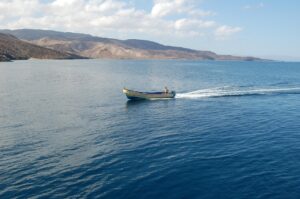
Ardoukoba Volcano – Land of Fire and Lava
Between Lake Assal and the Gulf of Tadjoura is the Ardoukoba Volcano, one of Djibouti’s most fascinating geological sites. It erupted as recently as 1978, creating a 12-kilometer-long fissure and extensive lava fields. It marked the beginning of a new ocean floor, as Djibouti falls in a zone where the African and Arabian tectonic plates are slowly pulling apart. The volcano is quiet today, but the surrounding landscape still bears evidence of that dramatic event: black volcanic rocks and ash cover the ground. To walk around this area means to have the feeling of being on another planet.
The Gulf of Tadjoura – Sea of Life
The Gulf of Tadjoura is a wide bay that connects the Red Sea with Djibouti’s coast. One of the most beautiful natural areas in the country, the water is deep blue, while the surrounding mountains make up a stunning backdrop. The gulf is full of life, from whale sharks and dolphins to rays, turtles, and coral reefs. The gulf attracts a great number of visitors to dive and snorkel. Whale sharks appear along this coast from November to February, during their migrations. The towns of Tadjoura and Obock line the shores of the gulf, with historical sites and beaches where visitors can relax. The Gulf of Tadjoura is also a very good place for boat trips, fishing, and underwater photography.
Grand Bara and Petit Bara Deserts – The Sea of Sand
South of Djibouti City are two large deserts: Grand Bara and Petit Bara. These are big, flat plains covered in sand and dry earth. They stretch for kilometers and are surrounded by rocky hills. Besides this, adventure sports such as quad biking, sandboarding, and 4×4 driving are also popular in these dunes. The desert landscapes will offer tourists a unique combination of thrill and serenity. Sunsets and sunrises are not to be forgotten in Grand Bara; the colors of orange and red fill the sky, and reflect on the sand. Camping under the stars is also possible for those who want to experience the quiet beauty of the desert night.
Tadjoura Town – The White City
Located on the north shore of the Gulf of Tadjoura, Tadjoura is one of Djibouti’s oldest and most charming towns. It also goes by the name “White City” due to its whitewashed buildings and narrow streets. Tadjoura was once a significant port that traded between Africa and Arabia. The town is quiet, lined with small cafes, mosques, and markets. One can take a stroll along the beach, swim in the clear waters, or use a boat to reach the nearby islands. The surrounding mountains and forests are good to go trekking and exploring.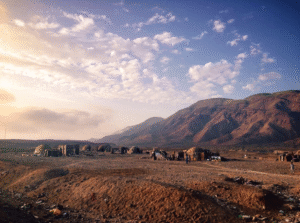
Doralé Beach – A Local Favorite
Doralé Beach is one of the most beautiful beaches in Djibouti, not too far from Djibouti City. It offers golden sand, gentle waves, and a wide view of the Gulf of Tadjoura. Many families and friends come here just to relax, take a swim, or simply enjoy picnics.
Culture and Daily Life
Life in Djibouti is leisurely. The family is important, as is the community. The people can be found in cafes drinking tea or coffee and discussing topics of current interest. Music and dancing accompany special occasions, particularly weddings and religious holidays. Skoudehkaris, a mixture of spiced meat and rice, is one of the country’s most common dishes. Other staple foods are lahoh, a soft flat bread, and fah-fah, a meat soup. Coastal areas have plenty of fresh seafood. More popularly, the national drink is chai or tea, flavored with cardamom and cloves.
Surrounding Places in Detail
Djibouti is surrounded by interesting regions that add to its charm. The travelers visiting it can go around and explore places full of culture and nature.
The Gulf of Tadjoura
This gulf is one of the most beautiful coastal regions in the Horn of Africa. Its deep blue waters are teeming with marine life. Dolphins and whale sharks can often be seen between October and February. The coastal villages along the gulf, such as Tadjoura and Obock, have quiet beaches and coral reefs.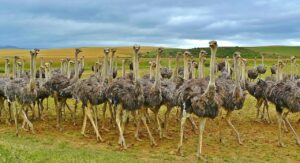
Goda Mountains
These mountains are situated northwest of Djibouti City, rising above the hot plains. They are clothed with green vegetation and offer cool retreats from the desert heat. Hiking trails lead to Day Forest, where travelers can find unique plants and wildlife.
Danakil Desert
Stretching from Djibouti into Ethiopia and Eritrea, the Danakil Desert is one of the hottest places on Earth. It has salt flats, lava fields, and colorful mineral springs. The desert landscape changes color throughout the day, from red to yellow to gold.
Red Sea Coast
The Red Sea coast off Djibouti is a diver’s dream destination with its pristine coral reefs teeming with tropical fish. The main diving spots are the Moucha and Maskali Islands. There’s also a possibility to snorkel, kayak, or go fishing.
Lake Abbe Plains
The plains around Lake Abbe are wide and flat, with occasional geysers and fumaroles. The local Afar communities live in small huts made of palm mats and herd camels and goats, living a traditional nomadic life. Watching the sunrise over the limestone chimneys at Lake Abbe is one of the most magical experiences in Africa.
Border Regions with Ethiopia and Eritrea
Travelers can also go on to see border areas where several cultures intermix, and that includes markets selling everything from Ethiopian coffee to Afar crafts and Somali fabrics. The result is vibrant and colorful.
Travel Tips
Weather is cooler from November through February, which makes this an excellent time to visit Djibouti. Lightweight clothing, sunscreen, and plenty of water protect against the elements. Visitors should be respectful of local customs, especially when rural or religious areas are visited. Photography is welcome; however, it is always best to ask permission when taking pictures of people. Travelers access Djibouti either by air through Djibouti–Ambouli International Airport or by sea from a neighboring country. Main cities are linked by roads, and tours around the desert and lakes can be offered.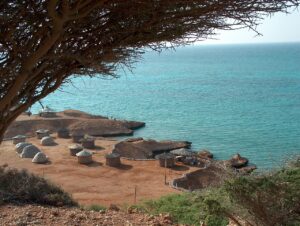
Conclusion
Djibouti, though small, is a land of endless beauty and adventure. Every nook, from its deep blue lakes to the volcanic landscapes, whispers tales of nature and history. The people of Djibouti add color to this dry land with their warm friendliness and traditions. Whether you are exploring Lake Assal’s salt flats, diving in the Red Sea, or hiking in the mountains, Djibouti offers unforgettable moments. It stands as a bridge between Africa and Arabia, where the desert meets the sea and ancient traditions blend in with modern life. For those who crave something different and real, Djibouti is a destination full of discovery and wonder.
Author

sadikhan.ceo@gmail.com
Related posts
Slovakia
- 0
- 2,323 words
Slovakia : Discover the Hidden Gem of Central Europe Tucked right in the heart of Central Europe, Slovakia is one of those...
Read out all
Singapore
- 0
- 2,246 words
Singapore : A Global City and Travel Hub Singapore’s one of those places where modern life and nature seem to fit together...
Read out all
Seychelles
- 0
- 2,644 words
Seychelles : A Dream Destination in the Indian Ocean You hear about places as “dream destinations” all the time, but Seychelles totally...
Read out all
Serbia
- 0
- 2,789 words
Serbia Travel Guide: Regions of the Balkan Nation Serbia sits right at the heart of the Balkans, and honestly, it’s one of...
Read out all
Senegal
- 0
- 2,277 words
Senegal Travel Guide: Discover the Culture, History, Tourism, and Surrounding Regions of West Africa Welcome to Senegal—a place that really captures the...
Read out all
Saudi Arabia
- 0
- 2,914 words
Saudi Arabia: A Powerful Nation in the Middle East and Global Importance of the Kingdom Saudi Arabia stands out as one of...
Read out all