

Cocos Island National Park: A Hidden Treasure of Costa Rica
Cocos Island National Park is the world’s most beautiful and remote natural wonder. It lies in the Pacific Ocean, approximately 550 kilometers west-southwest of Costa Rica’s shore. The island itself is surrounded by azure water and colorful marine life, and it is divinely beautiful to divers, nature lovers, and adventure seekers. It is popularly known as the “Treasure Island” due to its abundance of myths and unblemished beauty. UNESCO declared it a World Heritage Site in 1997 due to its phenomenal biodiversity and ecological significance.
Cocos Island
Cocos Island is a small island, about 23.85 square kilometers in size. It is a volcanic island and it has dense tropical rainforest on it. The island has a lot of rain all year round, which maintains its green and luxuriant cover. The island has the features of steep cliffs, powerful waterfalls, and hidden valleys. Because it is so remote, it has become a haven for many plant and animal species that are not found anywhere else on the planet. Unlike other tropical islands, Cocos is uninhabited by humans year-round. There are only park rangers and scientists who temporarily stay there to safeguard the ecosystem. This makes it one of the last unscathed spots on the planet, giving an idea of how nature existed before being touched by humans. 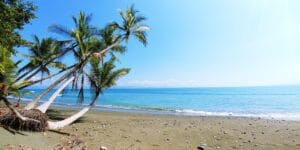
History and Discovery
The history of Cocos Island is filled with adventure and intrigue. The island was found by Spanish explorers in the 16th century. They named it “Isla del Coco,” or the “Island of Coconuts.” There were never any coconut trees on the island. It was named because of the imagination and rumor of early explorers about treasure. Cocos Island is full of legends. It was thought to have been a pirate base in the 17th and 18th centuries. Pirates Captain Bennett Graham and Captain William Thompson were thought to have hidden their plundered treasure on it. The Treasure of Lima is another legend that is popular here. Spanish sailors who were fleeing from pirate attacks buried it. Treasure hunters today visit the island to find the buried gold and jewels under its forests. The government of Costa Rica had declared Cocos Island to be a national park back in 1978. Since then, strict measures were put in place to protect its natural and historical value.
Natural Environment
Cocos Island is commonly described as a “living laboratory of evolution.” It enjoys a unique environment because it is isolated from the mainland. The island has a hot and humid climate with an average temperature of 26°C (79°F). Rainfall is common, which creates a thick, rainforest-type of evergreen forest.
Flora
The island’s forest is thick with ferns, orchids, and mosses. Most plant species are endemic, i.e., they occur only on Cocos Island. The thick vegetation supports the island’s ecosystem by offering shade to birds, insects, and animals.
Fauna
The Cocos island is home to many rare species. It has over 300 species of insects and approximately 100 species of birds. Among birds, there are Cocos cuckoo, Cocos flycatcher, and Cocos finch, which all inhabit this island only. But what actually makes Cocos Island world-famous is its wildlife. The sea that borders the island comes under the jurisdiction of the Cocos Marine Conservation Area, which helps to conserve more than 2,000 marine species. 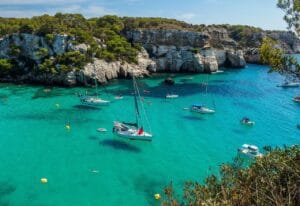
Marine Life and Diving Paradise
The sea that borders Cocos Island is among the world’s best places for scuba diving. Ocean currents are powerful, carrying nutrient-rich waters that attract schools of large fish and predators. Scuba divers can see hammerhead sharks, white-tip reef sharks, manta rays, tuna, dolphins, and whale sharks, too. Hammerhead sharks are seen in hundreds at underwater mountain ridges during some seasons, providing a stunning sight. Most popular diving sites are:
- Alcyone Ridge – Renowned for massive hammerhead shark schools.
- Dos Amigos – Renowned for its underwater arch and stunning fish.
- Dirty Rock – Opportunities to see turtles, rays, and big schools of jacks.
- Manuelita Coral Garden – Good for beginner divers, with high coral cover.
Because of conservation measures in the park, only certified diving tours are allowed, and the number of visitors is limited. This helps protect the delicate ecosystem.
Waterfalls and Landscapes
Cocos Island is not all about the sea. The island itself is as breathtaking. There is constant rain there, which feeds many rivers to create wondrous waterfalls. Some of the most popular ones are:
- Genio Waterfall – A picturesque and high waterfall with thick foliage surrounding it.
- Wafer Waterfall – Nearby the central ranger station, and anyone may walk there easily.
- Pájaro Waterfall – Known for its vertical drop and where tropical birds can be spotted.
Hiking through the island’s thick jungles is an adventure in itself. The pathways are slippery and rugged, but the experience is worth the trouble. Along the way, one may see wild flowers, exotic birds, and bugs. 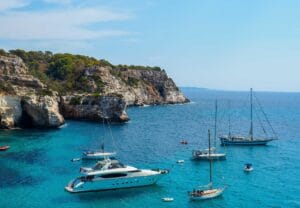
Conservation and Protection
Cocos Island is plagued by various environmental issues. Climate change and illegal fishing threaten its delicate marine ecosystem. Increased monitoring and patrols have been conducted by the Costa Rican government and other international organizations to mitigate this. UNESCO expanded the park designation in 2001 to include also a marine buffer zone. This protects not only the island but the surrounding seas too. The island is currently a key research station for climatologists, oceanographers, and biologists studying climate change, oceanic ecosystems, and biodiversity. Visitors are not allowed to camp or overnight on the island. They may come only with park ranger escort. All materials, including food and garbage, must be taken back to the boats. These rules keep the island in its natural condition.
Getting There
It’s an experience on its own to reach Cocos Island. The island does not have an airport, and one can reach there by ship only. It takes around 30 to 36 hours from the city port of Puntarenas, Costa Rica, by boat. Tourists usually engage in guided liveaboard diving trips, ranging from 8 to 10 days. The tours have meals, accommodation, and guided dives. Because of its remoteness, Cocos Island is expensive to visit but worth it for those who love nature.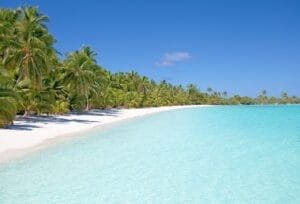
Best Time to Visit
The island can be visited anytime of the year, but weather is determined by season.
- Dry Season (December to May): Clear skies, flat seas, and better visibility while diving.
- Rainy Season (June – November): Increased currents, increased nutrients in the water, and more marine life.
Many divers prefer the rainy season because that is when hammerhead sharks are found. However, sea conditions are often unpredictable during this season.
Surrounding Places to Visit
Cocos Island National Park is among the most remote gems of Costa Rica, located far out in the Pacific Ocean.
Puntarenas – The Gateway to Cocos Island
Puntarenas boasts beaches, seafood, and friendly residents. Travelers enjoy a walk along Paseo de los Turistas, a shaded boardwalk lined with restaurants, shops, and ice cream stands. The resident favorite is “Churchill,” a sweet treat made from shaved ice with syrup flavoring, condensed milk, and fruit. Most travelers spend a few days in Puntarenas to relax after or prior to a trip to Cocos Island. The departure point for the majority of dive boats to Cocos Island is the Caldera Port, and tourists prefer to stay nearby. Nearby attractions include:
- Isla Tortuga (Turtle Island): A small island with white sand and blue sea. Great for snorkeling and boat tours.
- Punta Morales: A quiet seaside town where visitors can see mangroves and many species of birds.
- Mangrove Boat Tours: These tours take you to tropical mangrove jungles full of crocodiles, monkeys, and tropical birds.
Puntarenas is an excellent mix of local culture and ocean life, welcoming visitors with a warm reception before their island adventure.
Monteverde Cloud Forest – A Misty Paradise
From Puntarenas, tourists can drive for a few hours and end up in Monteverde, which is one of Costa Rica’s most magical destinations. Monteverde is technically a cloud forest, thus it is predominantly covered with mist and cloud that lends an aura of mystery and greenery. The Monteverde Cloud Forest Reserve is world-famous for being one of the most biodiverse places on Earth. The reserve home to over 2,500 plant species, 400 birds, and hundreds of insects and mammals. Walking through the hanging bridges and forest trails feels like being on another planet. Highlights include:
- Hanging Bridges: Walk among the trees and take in the invigorating mist of the forest.
- Birdwatching: Monteverde is also among the best places to spot the Resplendent Quetzal, a gorgeous bird of shining green feathers.
Arenal Volcano and La Fortuna – Nature’s Power and Beauty
Another incredible stop close to the path to Cocos Island is the Arenal Volcano National Park. The volcano is among Costa Rica’s most recognizable landmarks, rising high and perfectly conical close to the town of La Fortuna. Although Arenal is no longer active, it is still an icon of natural power. Tourists can hike on lava trails, trek through rainforest, and relax in natural hot springs warmed by the volcano’s underground heat. Top attractions around Arenal include:
- La Fortuna Waterfall: Gorgeous 70-meter-high cascade where visitors can swim in clear water.
- Arenal Hanging Bridges: Lovely trek with stunning views of the forest and volcano. It’s a peaceful spot to sit back and take a few days’ rest after arriving in from Cocos Island.


Manuel Antonio National Park – Sun, Sand, and Wildlife
If tourists continue traveling south along the Pacific coast from Puntarenas, they arrive at Manuel Antonio National Park, one of Costa Rica’s largest attractions. The park is a mix of beautiful beaches and thick rainforest. The park is small but teeming with life. Monkeys, sloths, iguanas, and tropical birds are observable by travelers while they hike along the forest trails. The beaches, such as Playa Manuel Antonio and Playa Espadilla, have soft white sand and crystal blue water—perfect for swimming and relaxing . Visitors can enjoy:
- Hiking Trails: Trails that lead one to ocean lookout points.
- Snorkeling: Coral reefs from the beach are full of colorful fish.
- Sunset Views: Manuel Antonio sunsets are some of the most scenic in Costa Rica. Nearby is the town of Quepos with hotels, seafood restaurants, and a marina for boat excursions.
Corcovado National Park – The Wild Heart of Costa Rica
For those more serious adventurers, the Osa Peninsula and Corcovado National Park are attractions that should not be overlooked. Corcovado is the most biologically intense spot on the planet, being called at times the “Amazon of Costa Rica.” The park preserves rainforests, beaches, rivers, and mangroves. Jaguars, tapirs, scarlet macaws, and even bull sharks in the rivers inhabit Corcovado. Because it is inaccessible, getting to Corcovado involves a boat or an airplane ride, but the reward is unspoiled untamed nature. Corcovado activities:
- Wildlife Watching: See unique animals in their natural environments.
- Drake Bay: Quiet coastal area near the park suitable for snorkeling and whale watching. Corcovado is also a fair reflection of the way Costa Rica protects its natural treasures, like Cocos Island.

San José – The Capital City Experience
Most visitors traveling to Cocos Island start their journey in San José, Costa Rica’s capital city. San José is located in the Central Valley and is Costa Rica’s cultural and economic center. Popular places in San José include:
- National Theatre: A beautiful 19th-century building that features art and performances.
- Central Market: A bustling and lively place to taste local food and buy souvenirs.
San José is also filled with many hotels, restaurants, and forms of transit, and therefore is a convenient hub for visitors.
Cultural and Historical Significance
Whereas Cocos Island itself is not inhabited, it holds important meaning in Costa Rican culture. It represents Costa Rica’s dedication to protecting the environment. Costa Ricans are fond of their natural heritage and Cocos Island is one way that they can show their pride. Its storied history of pirate tales and buried treasure adds an added layer of adventure. There are numerous Costa Rican folk stories surrounding the island and its purported hidden treasures.
Adventure Activities
In addition to diving, visitors can enjoy:
- Snorkeling: Off the island coast in shallow coral gardens.
- Photography: Landscapes, waterfalls, and animals make great photography subjects.
- Birdwatching: The rare island birds capture the interest of scientists and birdwatchers.
- Hiking: Limited as it is, the trails offer a dense jungle experience.
The Future of Cocos Island
Conservationists are working tirelessly to protect Cocos Island. Projects continue to involve coral recovery, shark tracking, and anti-poaching expeditions. The hope is that the island will continue to be a sanctuary for generations to come. International cooperation is also growing, as researchers understand the significance of the island for learning about ocean life and climate systems.
Conclusion
Cocos Island National Park is a true wonder of nature. It is one of the last untouched islands on the planet, filled with wildlife on both land and sea. From eerie pirate past to breathtaking underwater adventures, it has something special to present to every traveler. Its isolation is a sanctuary for ocean adventurers, scientists, and nature enthusiasts in its pure form. The location of surrounding environments in Costa Rica, like Monteverde and Arenal, complements the experience. A visit to Cocos Island is not merely a trip—it is an experience that leaves individuals thoroughly attached to the splendor and might of nature.
Author

sadikhan.ceo@gmail.com
Related posts
Doha Travel Guide
- 0
- 2,147 words
Doha Travel Guide – A Modern Arabian City with Culture and Luxury Doha is quickly becoming one of the hottest places to visit...
Read out all
Lisbon Travel Guide
- 0
- 2,266 words
Lisbon Travel Guide – A Beautiful Coastal Capital with Culture and Value Lisbon pops up on pretty much every list of Europe’s...
Read out all
Prague Travel Guide
- 0
- 2,455 words
Prague Travel Guide – A Magical European Destination Full of History and Charm If you’re dreaming of a city that looks and...
Read out all
Berlin Travel
- 0
- 2,097 words
Berlin Travel Guide – A City of History, Culture, and Modern Energy Berlin isn’t your typical European capital—it buzzes with history and...
Read out all
Amsterdam Travel Guide
- 0
- 2,602 words
Amsterdam Travel Guide – A City of Canals, Culture, and Timeless Beauty Honestly, Amsterdam is one of those cities that just grabs...
Read out all
Barcelona, Spain
- 0
- 2,340 words
Barcelona, Spain Travel Guide – A Vibrant Mediterranean City Barcelona feels alive, no matter what time of year you show up. The...
Read out all