
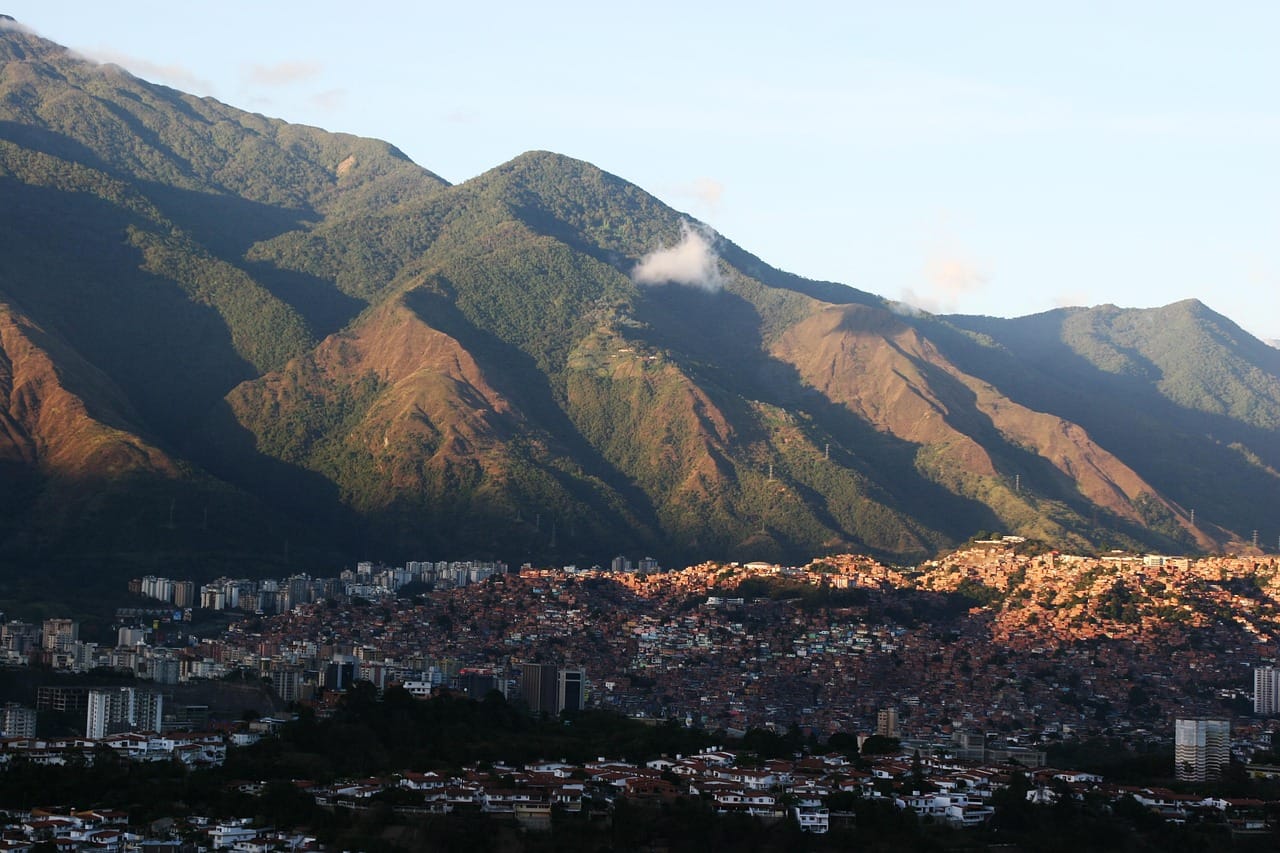
Caracas, Venezuela – Most unique cities in South America
Caracas isn’t just the capital of Venezuela—it’s a city that stands out in South America. Tucked up north, right by the Caribbean Sea, Caracas brings together mountains, valleys, beaches, culture, and a ton of history. Its spot on the map shapes everything: you get the energy of a modern capital, but nature is always close by. Over the years, Caracas has led the way in Venezuela’s politics, culture, and economy. What’s interesting is how the city manages to stay connected to its roots, even as it grows. All around, you’ll find green mountains, small historic towns, and stretches of coastline. Travelers come here not just for the sights, but for the mix—Caracas lets you dive into local culture, soak up nature, and catch a bit of daily life, all in one trip. Plus, this is Simón Bolívar’s hometown, which gives the city a strong sense of history.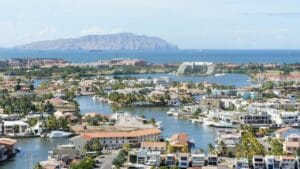
Geographical Location of Caracas and Its Global Importance
Caracas sits in a slim valley between the Caribbean coast and the Cordillera de la Costa mountains. The scenery is dramatic, and the climate’s pretty great too—thanks to those mountains, it stays mild all year. That makes it a solid spot for visitors. And here’s a neat fact: Caracas is one of the closest South American capitals to the Caribbean. Because of that, it acts like a gateway between South America, the Caribbean islands, and the rest of the world. Lots of international travelers mix a stay in Caracas with trips out to the nearby beaches and islands.
Historical Background of Caracas
Caracas goes way back—it was founded in 1567 by the Spanish. During colonial times, it grew into a big administrative and cultural hub. Later on, the city became the center of Venezuela’s independence movement. Simón Bolívar was born here, and you can still find plenty of buildings connected to his life scattered around town. As time went on, Caracas transformed. Now, you’ll see universities, museums, theaters, and busy business districts.
Tourism in Caracas
Caracas offers a lot: history, culture, wild nature, and the buzz of city life. It’s not just about snapping photos of famous spots—visiting Caracas means getting a feel for Venezuelan life. Despite all the modern touches, you still find pieces of the past everywhere. Wander around, and you’ll move from old colonial streets to sleek, modern neighborhoods in no time.
Cultural Tourism in Caracas
Museums, theaters, old squares, monuments—Caracas is packed with places that tell Venezuela’s story. Simón Bolívar is everywhere, from statues to street names. Many sites are dedicated to him and his fight for independence. Stroll through the historic center and you’re surrounded by well-kept colonial buildings and traditional architecture. It’s the kind of place where you can actually feel the city’s history.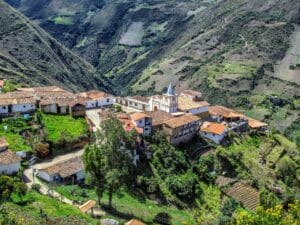
Historical Tourism and Heritage Sites
History lovers have a lot to see here. Plaza Bolívar, right in the heart of the old city, is a must-visit. Not far away, you’ll find the Caracas Cathedral, the National Pantheon, and Bolívar’s own childhood home. These landmarks aren’t just for tourists—they’re popular with students and locals too. Guided tours bring the city’s role in Latin American independence to life, making the experience both fun and meaningful.
Nature and Eco-Tourism in Caracas
One thing that sets Caracas apart is the nature that surrounds it. The city is hugged by mountains, forests, and huge parks. El Ávila National Park, also called Waraira Repano, is right on the edge of town, always inviting people to get outside and explore.
Urban Tourism and Modern Life
Malls, stylish cafés, restaurants, bars that never seem to close—there’s this steady hum of energy. Young travelers and business folks love it. Honestly, you feel the city’s pulse most in these lively corners. Getting to know Caracas is more than just ticking off sights. It’s about jumping into daily life. You’ll taste new things, sure, but you’ll also stumble into art galleries, catch live music or street performers, and notice how local traditions mix with global trends everywhere you turn.
Culinary Tourism in Caracas
Now, let’s talk food, because, really, eating here is half the fun. Venezuelan cooking doesn’t mess around—think bold flavors, simple ingredients, food that feels like home. Arepas, empanadas, cachapas, pabellón criollo—locals swear by them, and visitors turn into fans on the first bite. You don’t need to hunt for a good meal. Grab something from a street vendor, duck into a family-run spot, or try one of the city’s sleek new restaurants. Every meal is a peek into Venezuelan culture—the way people cook, the stories behind every recipe, even the ingredients themselves.
Religious and Spiritual Tourism
Caracas also attracts visitors interested in religious tourism. Churches and cathedrals dot the city, many showing off that classic Spanish colonial look. The Caracas Cathedral stands out—not just for its architecture, but because it’s tangled up in the city’s history and faith. Pilgrims, tourists, regular folks—they all pass through at some point. When religious festivals hit, everything shifts. Streets fill with music, processions, and this contagious sense of celebration. Even if you’re just visiting, you get swept up in it and see how faith shapes daily life for a lot of people here.
Art, Music, and Entertainment Tourism
Art and music are everywhere. The city’s got museums and galleries, theaters that always seem to have something on. The Museum of Fine Arts, for example, keeps things fresh with new shows and performances, so there’s always something to see. Music? It’s part of the city’s DNA. One night, you’ll hear a classical concert. Next, salsa spills out of a club. Walk down the street, and there’s always someone playing something. It isn’t just background noise—it’s one of the things that gives Caracas its spark.
Beach Tourism Near Caracas
If you’re craving sand and sea, you’re in luck. Caracas itself isn’t on the beach, but drive out to Macuto or La Guaira, and suddenly you’re staring at the Caribbean. White sand, blue water, seafood that was swimming a few hours ago—it’s an easy break from city life. Lots of people split their time between city adventures and lazy beach days, and honestly, that’s the way to do it. This back-and-forth—city energy, then seaside calm—makes Caracas a pretty flexible place to visit.
Adventure and Experience-Based Tourism
Feeling adventurous? Caracas doesn’t disappoint. Hike up El Ávila for jaw-dropping views, hop on a cable car, try a cycling route, or just get out and move. If you’re after real experiences, not just souvenirs, local guides offer community tours and cultural workshops that pull you into the city’s daily rhythms.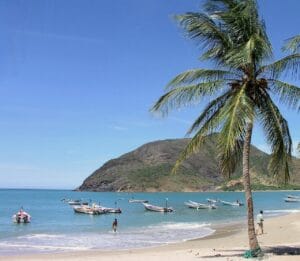
Tourism Challenges and Future Potential
Caracas has its hurdles.Traffic jams, infrastructure that sometimes lags, and a reputation that can make travelers hesitate. But tourism keeps growing. Local projects, efforts to protect what makes the city unique, and new eco-friendly tours all help. Travelers who dive in, do a bit of homework, and connect with locals usually leave with great stories.Looking forward, Caracas has a lot going for it. With more focus on sustainability, better visitor services, and a push to share its culture, the city keeps standing out as a place worth exploring.
Major Tourist Attractions in Caracas
Caracas sits between mountains and the sea, packed with things to check out. You get a bit of everything here—history, art, green parks, and views you won’t forget.Jumping between these spots gives you a real taste of what the city and Venezuela are all about.Plaza Bolívar – The Historic Heart of Caracas
Plaza Bolívar – The Historic Center of Caracas
If you want to feel the city’s spirit, start at Plaza Bolívar. It’s the center of everything, named for Simón Bolívar, the hero who set Venezuela free. Colonial buildings line the square, and there’s always a crowd—people hanging out, taking photos, soaking it all in. For most visitors, this is where the adventure kicks off.
Caracas Cathedral – A Colonial Religious Landmark
Just a short walk from Plaza Bolívar, you’ll find the Caracas Cathedral, one of the city’s oldest and most important churches. Built back in colonial times, it’s got a simple, classic style. There’s real history here—members of Simón Bolívar’s family were baptized inside. Tourists often stop by for the architecture, the atmosphere, and a little bit of quiet in the middle of the city.
National Pantheon of Venezuela – Tribute to National Heroes
The National Pantheon stands out as one of Caracas’s most meaningful landmarks. People visit to dive into Venezuelan history and pay their respects to the country’s heroes. If you’re a history buff, this place sits right at the top of your must-see list.
El Ávila National Park (Waraira Repano) – Natural Beauty Above the City
El Ávila National Park practically defines Caracas’s skyline. The park stretches along the city’s northern edge, acting as a natural border between the urban sprawl and the Caribbean coast. Up here, fresh air and sweeping green views are everywhere. Hiking trails wind through the mountains, picnic spots pop up in the shade, and the local plants and animals are just waiting to be discovered.
Caracas Cable Car – Panoramic City and Sea Views
There’s nothing quite like riding the Caracas cable car. It climbs from the city straight up to the top of El Ávila mountain, giving you some of the best views you’ll ever see—Caracas below, the mountains around, and the blue stretch of the Caribbean Sea. At the summit, you’ll find walking paths, restaurants, and viewing spots perfect for photos, especially at sunset. If you’re looking for a real highlight in Caracas, this is it.
Birthplace of Simón Bolívar – A Historic House Museum
In the heart of old Caracas sits Simón Bolívar’s birthplace—a colonial house turned museum. Inside, you’ll find the story of Bolívar’s life told through rooms filled with old furniture, important documents, and personal keepsakes. Spend some time here, and you get a real sense of Venezuelan history and independence. It’s a special spot for anyone curious about the country’s past.
Museum of Fine Arts – Artistic Heritage of Venezuela
The Museum of Fine Arts in Caracas is a must for art lovers. Inside, you’ll see a wide mix of Venezuelan and international pieces: paintings, sculptures, and always something new in the temporary exhibits. It’s the perfect place to see how Venezuelan art has changed and grown over the years. Plus, the museum’s easy to get to and well looked after, so you can really take your time.
Teresa Carreño Cultural Complex – Center of Performing Arts
The Teresa Carreño Cultural Complex is massive—one of Latin America’s biggest. Concerts, plays, ballet, international shows, you name it, they’re all on the calendar. If you’re into music or theater, you’ll want to catch a performance here. It’s modern, lively, and really shows off the cultural energy of Caracas.
Parque Los Caobos – Urban Green Space
Need a breather? Parque Los Caobos is just the place. It’s close to some of the city’s top museums and offers quiet paths, plenty of shade, and a calm spot to relax.
Altamira Square – Modern City Landmark
Altamira Square sits in one of the city’s modern neighborhoods, easy to spot with its tall obelisk and open plaza. Cafes, restaurants, and hotels surround the area, making it a busy hub day and night. It’s where people come for shopping, a good meal, or to start a night out. This square captures the city’s modern spirit.
Las Mercedes – Dining and Nightlife Hub
Las Mercedes buzzes with energy after the sun goes down. It’s packed with restaurants, bars, and places to catch live music or just hang out. Whether you’re after Venezuelan food, something international, or just want to see where locals go out, this is the place. Las Mercedes brings together the social side of Caracas like nowhere else.
Modern Neighborhoods and Urban Tourism
Caracas has a handful of modern neighborhoods—Altamira, Las Mercedes, Chacao—where the action rarely stops. These areas are filled with malls, cafes, and nightlife, and they’re popular places to stay because everything’s close by. Urban tourism here means you get a taste of modern Venezuelan life, but you’re still just a short trip from museums and historic sites.
Surrounding Places Around Caracas
Caracas isn’t just about city sights or history. Step outside the city, and you’ll find some of Venezuela’s best spots—Caribbean beaches, national parks, mountain villages, and colonial towns. Because they’re all close, day trips or weekend escapes are easy to plan. Exploring these nearby places lets you see more of Venezuela’s beauty and culture, all within reach of the capital.
La Guaira – The Main Coastal Gateway Near Caracas
If you’re in Caracas and craving the sea, La Guaira is practically around the corner. It’s the main port city, just a quick trip through the mountains, and has always connected Venezuela to the Caribbean and beyond. For years, ships and stories have come and gone through its harbor. These days, La Guaira is where most tourists get their first taste of the coast. People stop here on their way to nearby beaches, cruise ships, or seaside resorts. The draw? Fresh seafood, breezy ocean views, and easy walks along the water. It’s the kind of place that makes you forget how close you are to the busy capital.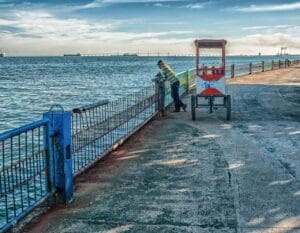
Macuto – Popular Beach Town Near Caracas
Macuto is legendary among Caracas locals looking for a quick beach fix. You can hop in a car and be there in no time. The town’s got a long, lively promenade, plenty of hotels and restaurants, and a market where you can grab something local. People come for the sun, the food—fresh fish, of course—and those evening strolls by the waves. Macuto is perfect for day trips. You get a full beach experience without straying far from the city.
Naiguatá – Quiet Coastal Escape
Not far from Macuto, Naiguatá is laid-back and a bit under the radar. It’s quieter, more traditional, and has a slower pace. If you want to escape the noise and relax somewhere authentic, Naiguatá is your spot. It’s close to the capital bu.ay.
Choroní – Colonial Charm and Tropical Beaches
A bit farther out, Choroní charms just about everyone. It’s a colonial town with cobblestone streets, bright houses, and an old church that adds to its character. The beaches, like Playa Grande, are some of the prettiest in Venezuela. You get the best of both worlds here—history and beach time. A lot of people from Caracas head to Choroní for weekend getaways. Once you see it, you’ll understand why.
Henri Pittier National Park – Nature and Biodiversity
Henri Pittier is Venezuela’s oldest national park and sits right near Caracas. It’s huge—mountains, rainforests, and a stretch of wild coastline. The place teems with birds, plants, and all sorts of wildlife. Hikers, birdwatchers, and nature lovers flock here. The beaches inside the park, like Cata and Choroní, are favorites for anyone with a camera or just a love of the outdoors. This park anchors eco-tourism around the capital.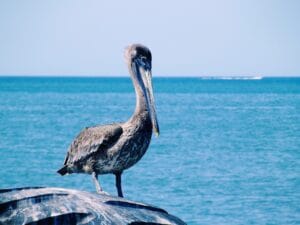
Colonia Tovar – German-Style Mountain Village
Colonia Tovar is something else—a mountain village with a Bavarian twist. Founded by German settlers, it looks and feels like a little slice of Europe. The air is cool, the buildings look straight out of the Alps, and the food—think pastries and sausages—tastes homemade. Visitors wander the village, stop for coffee and cake, and pick up crafts at the local shops.
El Hatillo – Colonial Town Near the Capital
On the outskirts of the city sits El Hatillo, a colorful colonial town packed with charm. The streets are lined with artisan shops, and there’s always a festival or live music somewhere. People come for the food—traditional Venezuelan dishes—plus art, souvenirs, and a relaxed vibe. It’s perfect for a quick escape from the city noise.
Los Roques Archipelago – Caribbean Paradise
Los Roques isn’t right next to Caracas, but it’s so easy to reach by plane that many use the city as their launchpad. The archipelago is pure paradise: turquoise waters, white sand, and coral reefs. Snorkel, dive, or just relax—people come here to soak up the sun and the sea. If you’re in Caracas and want the ultimate beach experience, this is the place.
Chichiriviche – Gateway to Morrocoy National Park
Chichiriviche is the main jumping-off point for Morrocoy National Park. The park’s famous for its islands, mangroves, and clear blue water. Travelers leave Caracas for Chichiriviche to hop between islands, explore by boat, and find quiet stretches of sand. It’s a favorite for families and groups, especially anyone looking for adventure.
Conclusion
Caracas is a city of contrasts—old squares meet modern life, mountains rise above busy streets, and tradition mixes with invention. Sure, it’s got its challenges, but the city’s culture and landscapes are unforgettable. Travel around, and you see a whole new side of Venezuela. For anyone chasing real experiences, Caracas delivers. You get history, museums, parks, beaches, and so much more. Add in these surrounding towns and wild places, and suddenly Caracas isn’t just a stopover—it’s the start of an adventure across some of Venezuela’s best spots.
Author

sadikhan.ceo@gmail.com
Related posts
Lisbon Travel Guide
- 0
- 2,266 words
Lisbon Travel Guide – A Beautiful Coastal Capital with Culture and Value Lisbon pops up on pretty much every list of Europe’s...
Read out all
Prague Travel Guide
- 0
- 2,455 words
Prague Travel Guide – A Magical European Destination Full of History and Charm If you’re dreaming of a city that looks and...
Read out all
Berlin Travel
- 0
- 2,097 words
Berlin Travel Guide – A City of History, Culture, and Modern Energy Berlin isn’t your typical European capital—it buzzes with history and...
Read out all
Amsterdam Travel Guide
- 0
- 2,602 words
Amsterdam Travel Guide – A City of Canals, Culture, and Timeless Beauty Honestly, Amsterdam is one of those cities that just grabs...
Read out all
Barcelona, Spain
- 0
- 2,340 words
Barcelona, Spain Travel Guide – A Vibrant Mediterranean City Barcelona feels alive, no matter what time of year you show up. The...
Read out all
Male, Maldives
- 0
- 2,442 words
Malé, Maldives Travel Guide – The Capital of Island Paradise Malé might be tiny compared to other capitals, but it’s at the...
Read out all