
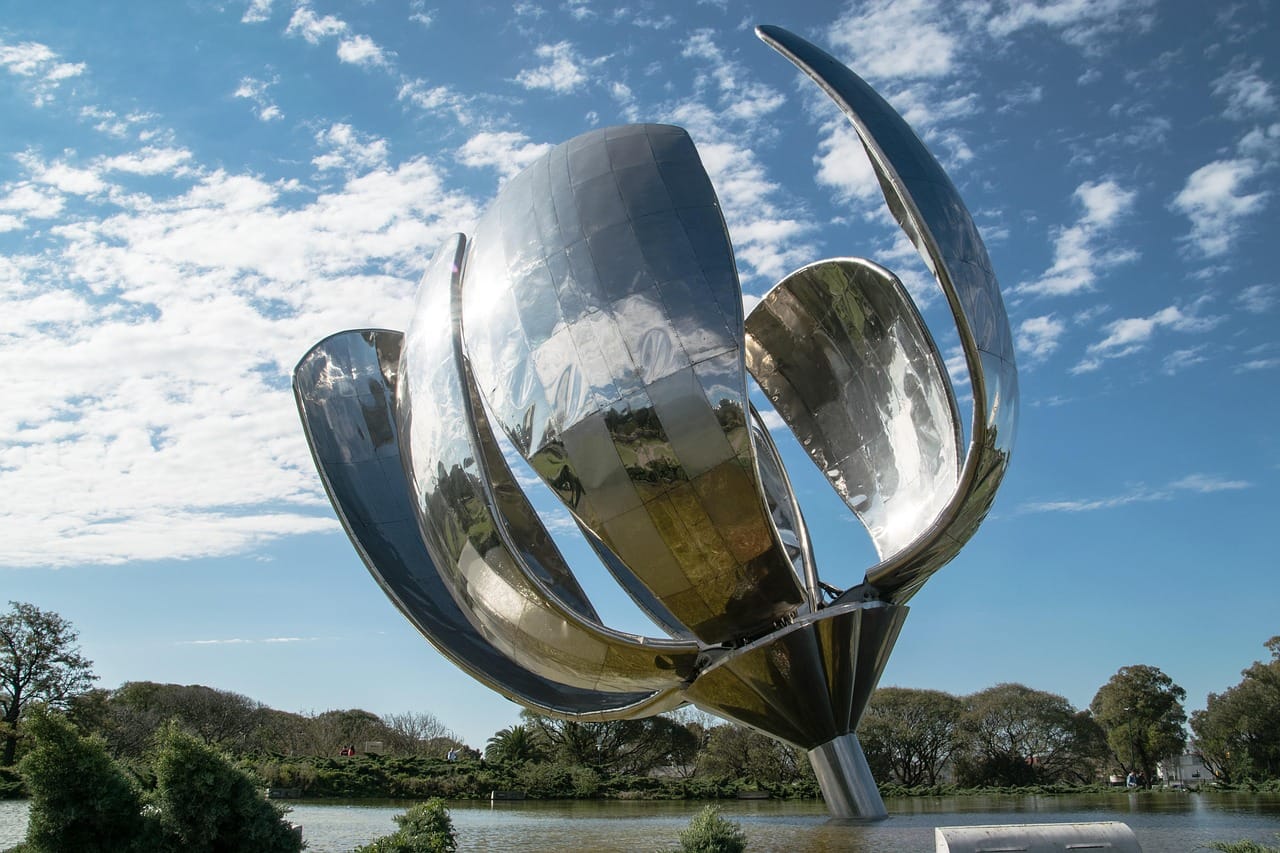
Buenos Aires : Most exciting and culturally rich City
Buenos Aires is the capital of Argentina; it is considered to be among the most vibrant cities in the world in terms of entertainment and cultural richness. Buenos Aires is situated in the southeastern part of South America, along the Río de La Plata, which is a rather wide river. Buenos Aires is also known as the “Paris of South America” because of the influences that trace back to Europe; however, Buenos Aires has its hot blooded spirit in Latin America too. Buenos Aires is more than just the political capital of Argentina. Buenos Aires can be considered the cultural, economic, and social capital of Argentina as well. Millions of people reside in Buenos Aires, making it one of the largest urban areas globally. Its history, grandeur, and vibrancy make Buenos Aires a popular destination for people from all corners of the globe. Further, Buenos Aires also has a reputation for having a distinctive culture of “tango” music and dancing, “fanatical” soccer followers, “beautiful” neighborhoods, “rich” culinary traditions, and “friendly” people. Whatever the reason to travel to Buenos Aires, it has everything for a tourist.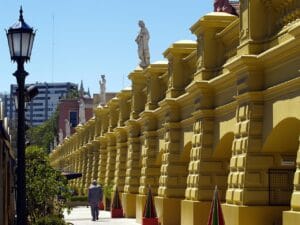
Geographical Location and Global Importance of Buenos Aires
Buenos Aires is situated in the eastern portion of Argentina, close to the Atlantic Ocean. The city is situated on low land adjacent to the Río de la Plata River, which is one of the widest rivers globally. Buenos Aires soon emerged as an important harbor city due to its location. The city has also been one of the major connecting points between Europe and South America. As a consequence, Buenos Aires was an important factor in international trade, migration, and culture. There were millions of migrants who came to this country from Italy, Spain, France, and other European countries during the 19th and 20th centuries. This posed a strong influence in forming its identity, language, architecture, and lifestyle.
History of Buenos Aires
The history of Buenos Aires dates back to the 16th century, where it was founded by Spanish explorers. Although, the initial settlements experienced some challenges, such as disputes and financial problems. With time, Buenos Aires became stronger because of the rise of trade and port activities. Early in the 19th century, Argentina gained independence from Spanish rule, and Buenos Aires was established as a political capital. Then came a period of rapid growth in Buenos Aires towards the end of the 19th century and into the 1900s. This era is sometimes referred to as the “Golden Age of Buenos Aires.”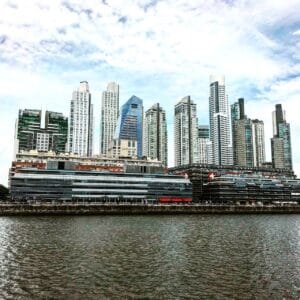
Culture and Lifestyle in Buenos Aires
The culture is central to Buenos Aires. The city is very emotional, expressive, and artsy. The people of Buenos Aires are called Porteños. They are very proud of their city and love to socialize. They love talking and eating. Tango is one of the most potent cultural icons of Buenos Aires. Tango began in Buenos Aires, in the streets, and subsequently became famous globally. Currently, Buenos Aires boasts of various tango shows, dance halls, and even street performances. In addition, there is a rich literary, artistic, and intellectual heritage in Buenos Aires. Bookstores, theaters, art galleries, and cultural centers abound in this city, making it one of the most culturally alive cities in the world.
Tourism in Buenos Aires
A tourist destination on its own among South American countries, Buenos Aires has a very strong and diverse tourist sector. Millions of tourists visit this city every year, and the reason is the presence of a combination that can only be found in Buenos Aires, a blend of European sophistication, Latin passion, rich historical background, modern way of life, and strong cultural roots. Buenos Aires is the capital of Argentina, but the tourist center of the entire nation as well.
Cultural Tourism in Buenos Aires
Cultural tourism is also very central when it comes to Buenos Aires. The city has a rich and distinct cultural identity that was developed by European immigrants. Tango music and dance, which had its roots in Buenos Aires, is one of the main draws that Buenos Aires has for visitors. Buenos Aires tango shows are performed in theaters, and one also has an opportunity to learn tango dancing. The rich cultural association of Buenos Aires makes cultural tourism in Buenos Aires an emotional one. Apart from tango, the city is also recognized for its literature, theater, and visual arts. There is the presence of more theaters here compared to the remaining cities worldwide; therefore, the city is referred to as “the Broadway of South America.” Famous theaters such as the Teatro Colón attract many visitors who take great interest in the performance of operas, ballets, and classic concerts. Museums and art galleries throughout the city display works by local and global artists.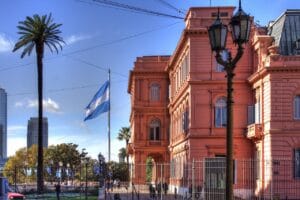
Urban and City Tourism Experience
Buenos Aires is quite large and dynamic; therefore, city tourism is very appealing. Visitors are attracted to its broad avenues, bustling streets, beautiful squares, and new-age areas. Avenida 9 de Julio is one of the widest avenues globally. This where the size and development of Buenos Aires can be measured. Urban tourism is also linked to shopping, café culture, and life experience. Buenos Aires is famous for its café culture, where people spend a considerable amount of time just talking, reading, and relaxing. Tourists visit the historical cafes to experience life as it is. Shopping streets, markets, and malls diversify the tourist experience of cities.
Neighborhood Tourism and Local Life
One of the most interesting features of tourism in Buenos Aires is its ability to offer a diverse range of neighborhoods. Thus, through visiting various neighborhoods, visitors get to enjoy various aspects of Buenos Aires during one visit. This is an important factor that makes Buenos Aires an attractive tourist destination.
Gastronomy and Food Tourism in Buenos Aires
One of the major reasons to visit Buenos Aires is food tourism. Argentine cuisine is renowned globally, and its notable quality is its beef. Visitors to the city can taste the local food like asado, empanadas, choripán, and milanesa at restaurants found in the city, known as parrillas. Wine tourism isalso linked to food tourism, given that Argentine wines are common in many restaurants and wine bars.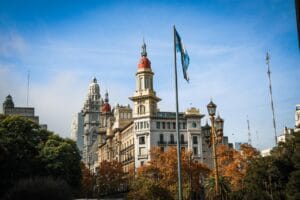
Nightlife and Entertainment Tourism
Buenos Aires has a rich nightlife, reflecting why entertainment tourism is a highly sought-after option in this city. Buenos Aires comes alive after dark with activities extending well into the evening hours. There are many ways to be entertained in Buenos Aires, which range from pubs to clubs to live entertainment venues, tango halls, to theaters. Visitors get to enjoy the nightlife, where people have dinner late and stay out until early morning. There is also a different nightlife in every neighborhood, ranging from tango shows to modern nightlife.
Nature, Parks, and Leisure Tourism
Buenos Aires is an enormous urban center, and yet there are considerable instances of parks and natural surroundings that promote leisure tourist activity. Places like Bosques de Palermo have lakes, gardens, and walking trails where tourists enjoy cycling, walking, and having picnics, given favorable climatic conditions. Riverfronts and other natural points of interest around the area also support eco-tourist activities. These green areas offer relief from the lifestyles associated with urban environments.
Events and Festival Tourism
Buenos Aires has many festivals and events that take place throughout a year. This has made it a tourist destination not only for citizens of Argentina but also for international tourists. Festivals and events such as cultural events, concerts, film shows, food festivals, and sports events are an expression of creativity in Buenos Aires.
Best Time for Tourism in Buenos Aires
The optimal seasons to visit Buenos Aires are spring and autumn. This is when the climate is ideal. Spring and autumn are the best seasons to participate in outdoor adventures or city tours. Summers are exciting but tend to be hot. Winters are cool but bearable. Therefore, it is worth visiting Buenos Aires in summer and winter.
Tourism Infrastructure and Accessibility
Buenos Aires has an infrastructure that supports tourism and international travel. It has various hotels catering to all budgets and traveller needs. Transport within the city for visitors is good and efficient by buses, underground services, and taxis. There are international airports in Buenos Aires, which connect the city with other major cities across the globe, enhancing its position as a destination for tourist travel.
Food and Culinary Tourism in Buenos Aires
Eating is a major aspect of Buenos Aires tourist activities. Argentine cuisine is renowned globally, and one of its specialties is beef. Typical food includes asado, empanadas, choripán, and milanesa. Steakhouses, or parrillas, line the streets of Buenos Aires. Further, Buenos Aires has a prominent café society. Long discussions over a cup of coffee take place there, particularly in historical cafes which date back many decades.
Nightlife and Entertainment
Buenos Aires has been labeled “the city that never sleeps.” The nightlife occurs very late and carries on until early morning. Shows of tango, live music, theaters, bars, and night clubs offer an infinite number of alternatives for visitors to enjoy. Every district has its own form of nightlife, some of which include traditional tango venues and contemporary night clubs.
Parks and Green Spaces
In addition to its size, Buenos Aires is known to feature several green areas. Some of these green spaces include Bosques de Palermo, featuring lakes and garden areas, and paths for walking through the area. Such parks are a great equalizer of urban life. Locals and foreign tourists find these parks very attractive.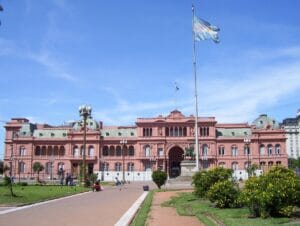
Festivals and Cultural Events
Buenos Aires also celebrates various festivals round the year. These include cultural events, movie festivals, concerts, and food festivals. These festivals are a major tourist attraction. These events highlight the creativity and cultural diversity that can be found in Argentina.
Best Time to Visit Buenos Aires
The ideal time for visiting Buenos Aires is during spring, which lasts from September to November, and during autumns, from March to May. During these periods, the climate is very enjoyable. Summers can be hot; otherwise, winters are mild compared to other areas.
Transportation and Accessibility
Buenos Aires has an integrated transportation network that comprises buses, subway, taxis, and ride-sharing. Air transportation for international flights can be enjoyed through Ezeiza International Airport.
Surrounding Places Around Buenos Aires
The surrounding are surrounding places around Buenos Aires which add immense value to tourism around Buenos Aires and offer tourists a unique opportunity to indulge in nature, history, culture, and a less hectic pace of life beyond Buenos Aires. As Buenos Aires is easily accessible by land, water, or ferry, tourists can enjoy visiting many stunning places as day trips or short breaks. Being close by, these surrounding places offer a great contrast along with Buenos Aires tourism and enable tourists to experience another facet of Argentina or even neighboring nations.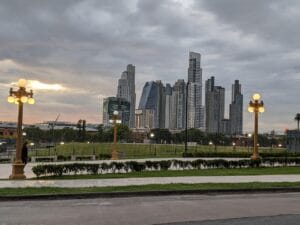
Tigre and the Paraná Delta
Tigre is one of the closest and most popular destinations around Buenos Aires and is approximately one hour north of the city. Tigre is well-known for its Delta del Paraná. Delta del Paraná is a natural delta with rivers, canals, and islands. The activities to do around Tigre include its natural offerings like relaxing and enjoying its riverine culture. In Tigre Delta, tourists can take boat rides to watch houses on stilts made of wood, marketplaces on boats, schools, and lush greenery. The delta is an ideal destination for tourists seeking a relaxed getaway from the hustle and bustle of city life.
San Isidro and the Northern Suburbs
San Isidro is another popular neighborhood around Buenos Aires that is known for its refined ambiance, colonial buildings, and views of the river. This town is rich in historical heritage and provides a relaxed and more refined experience compared to the city. San Isidro Cathedral is an important tourist site that is found within the town’s historical center. The Northern Suburbs area, which includes San Isidro, are also a favorite weekend getaway spot for tourism. Tourists enjoy a riverwalk, exploring the old quarters, and having meals in local eateries. This region provides a more tranquil and lush experience of life in Buenos Aires.
La Plata – The Planned City
La Plata is the provincial capital of Buenos Aires and is situated around 60 kilometers from Buenos Aires city. It is famous as a planned city and has been developed with a special grid pattern and broad roads. The tourist attractions of La Plata revolve around its educational and cultural elements. The city has one of the biggest universities in Argentina and exudes a young and intellectual vibe. La Plata has many attractions, with the chief among them being the grand cathedral that is the largest church in South America. The museums, parks, and cultural institutions form other attractions that pull many visitors to La Plata. La Plata provides a unique city to visit, away from Buenos Aires, making it a great satellite town to visit for those interested in architecture and academia.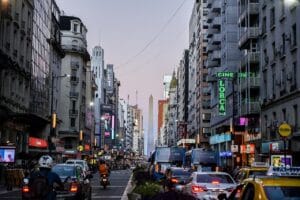
Colonia del Sacramento, Uruguay
Colonia Del Sacramento is one of the favorite surrounding destinations for foreign tourists coming from Buenos Aires. Situated in Uruguay, on the other side of the Río de la Plata, Colonia takes just an hour ferry ride. This historical city has a cultivator of a UNESCO World Heritage site, known for its cobblestone streets, colonial architecture, and serene surroundings. Activities in the tourist town of Colonia revolve around history, photographing, and recreation. The locals offer tours where one can walk the historic town and view the historic ruins. Due to the charm it exudes and its proximity to Buenos Aires, it is one of the most suggested day trip locations.
Montevideo – Capital of Uruguay
Montevideo, another significant location near Buenos Aires and the capital of Uruguay, is also an attractive destination for visitors. It may be accessed through ferry services or plane flights. Montevideo provides a combination of cultural heritage, promenades, beaches, and attractions. Visitors to Montevideo find its laid-back atmosphere, hospitality of the people, and coastal lifestyle appealing. The city is different but similar to what visitors from Buenos Aires are used to. In many cases, people visiting Uruguay include Montevideo in their itinerary with other destinations in Argentina.
Luján – Religious and Cultural Tourism
Luján is a famous town, situated northwest of Buenos Aires, and it is well known for its religious significance. The Shrine of Our Lady of Luján is an extremely famous pilgrimage site in Argentina. Each year, millions of people flock to Luján for religious tourism. Apart from its religious significance, Luján has museums, colonial streets, and culture for visitors to enjoy. Tourists who may be interested in the history and culture of Argentina would not miss visiting Luján.
Campana and Zárate – River and Nature Tourism
Campana and Zárate are townships situated along the Paraná River and provide tourism activity related to nature. These locations tend to attract fewer people and feature serene environments with river views, parkland, and wildlife reserves. Visiting tourists who like bird-watching, walking, and serene landscapes get to enjoy these sites. These towns also exude a more traditional way of life, where tourists can experience life beyond tourist destinations.
Estancias and Countryside Tourism
The countryside around Buenos Aires is famous for estancias, which are traditional Argentine ranches. Many estancias open their doors to tourists and offer rural tourism experiences. Visitors can enjoy horseback riding, traditional Argentine food, folk music, and open landscapes.
Estancia tourism is especially popular among international travelers who want to experience Argentine culture beyond the city. These rural experiences provide insight into the country’s agricultural history and gaucho traditions.
Atlantic Coast Destinations
Although slightly farther away, Argentina’s Atlantic coast is often considered part of the extended surrounding tourism area of Buenos Aires. Coastal cities like Mar del Plata attract visitors looking for beach tourism, entertainment, and summer activities. Many people from Buenos Aires travel to the coast during holidays, making it an important tourism connection.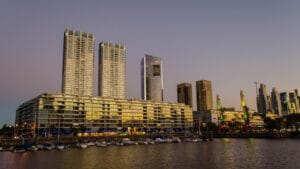
Importance of Surrounding Places in Buenos Aires Tourism
The Surrounding locations around Buenos Aires contribute a great deal towards adding variety to the tourist experience. They provide variety ranging from natural scenery, historical settlements, and international locations, as well as countryside experiences. Surrounding locations around Buenos Aires make it possible for the tourist to tour more from a base location in Buenos Aires. Thanks to the exemplary transportation and the short travel distances, tourists could easily combine the city tour with nature experiences and history as well as cross borders. This therefore makes Buenos Aires not only a destination but also a gateway for many unforgettable experiences.
Conclusion
Buenos Aires is a city of emotion, of history, of life. In it, there’s tango music, historical districts, modern cafes, and green parks in endless variety.” The surrounding places around Buenos Aires contribute to a richness of experience in Argentina that would be difficult to attain in a short visit. Whether it’s the tranquil rivers of Tigre, Colonia’s historical charm, or cities of culture like Plata and Montevideo, there’s something for everyone in these surrounding places. These surrounding places make Buenos Aires one of South America’s most well-rounded destinations for travelers.
Author

sadikhan.ceo@gmail.com
Related posts
Lisbon Travel Guide
- 0
- 2,266 words
Lisbon Travel Guide – A Beautiful Coastal Capital with Culture and Value Lisbon pops up on pretty much every list of Europe’s...
Read out all
Prague Travel Guide
- 0
- 2,455 words
Prague Travel Guide – A Magical European Destination Full of History and Charm If you’re dreaming of a city that looks and...
Read out all
Berlin Travel
- 0
- 2,097 words
Berlin Travel Guide – A City of History, Culture, and Modern Energy Berlin isn’t your typical European capital—it buzzes with history and...
Read out all
Amsterdam Travel Guide
- 0
- 2,602 words
Amsterdam Travel Guide – A City of Canals, Culture, and Timeless Beauty Honestly, Amsterdam is one of those cities that just grabs...
Read out all
Barcelona, Spain
- 0
- 2,340 words
Barcelona, Spain Travel Guide – A Vibrant Mediterranean City Barcelona feels alive, no matter what time of year you show up. The...
Read out all
Male, Maldives
- 0
- 2,442 words
Malé, Maldives Travel Guide – The Capital of Island Paradise Malé might be tiny compared to other capitals, but it’s at the...
Read out all