
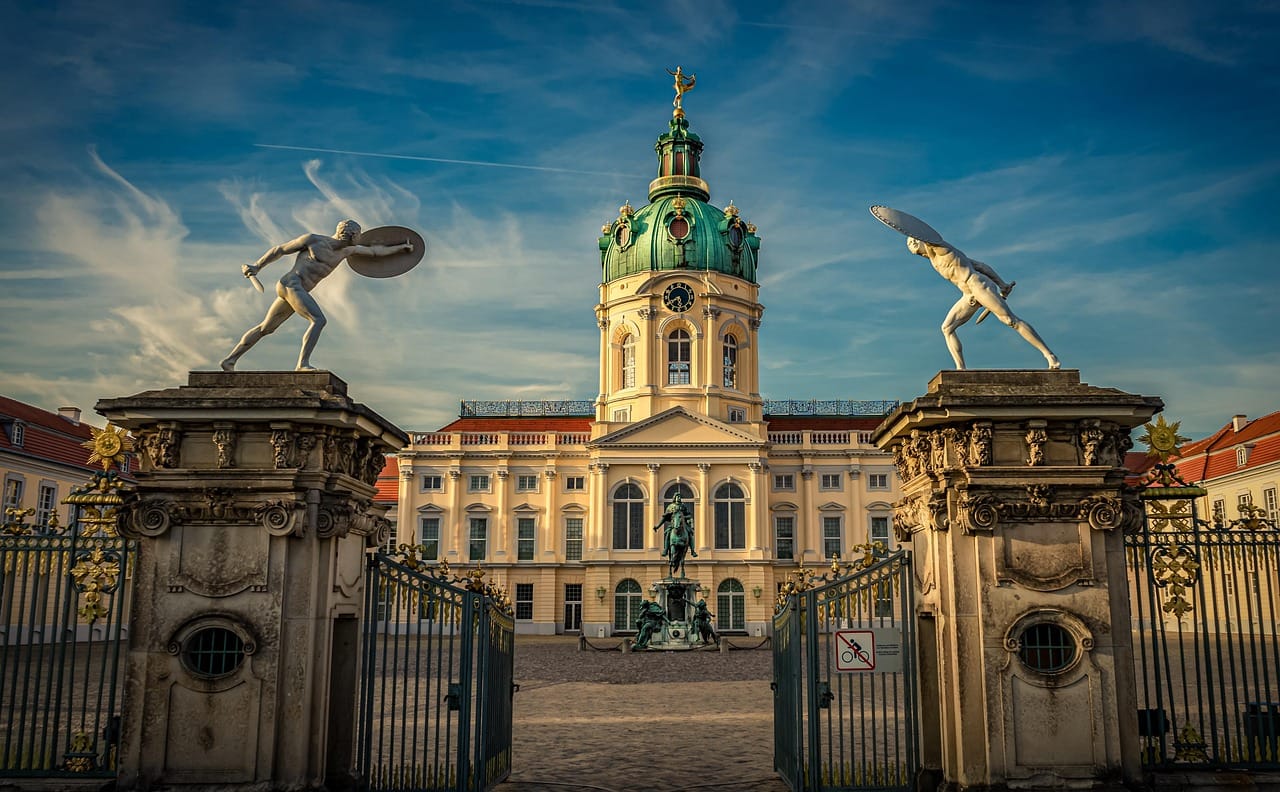
Berlin, Germany Travel Guide 2026
Berlin doesn’t just wear its history on its sleeve—it lives and breathes it. Everywhere you go, you feel the past and present bumping into each other. One minute you’re passing old bullet-marked buildings, the next you’re standing in front of bold modern architecture or wandering through neighborhoods packed with street art, quirky cafes, and late-night energy. No wonder millions of people show up here every year. Whether you’re chasing history, art, nightlife, food, romance, or just want to see what makes Europe tick, Berlin hooks you in. This guide pulls together everything you need to make the most of your trip. Want to know what to do, where to stay, how much you’ll spend, or how Berlin compares to other cities? Looking for the best value hotels, honeymoon tips, or honest reviews of tours and accommodation? Curious about visas, taxi fares, food prices, or where to get a SIM card? It’s all here, explained simply, so you can plan your trip without second-guessing yourself.
Why Visit Berlin, Germany in 2026? A Complete Introduction to the City
Berlin isn’t just another stop on the European circuit. The city wears its scars and stories proudly. You see centuries of change in its streets—from Prussian splendor to World War II devastation, from the razor wire and concrete of the Wall to today’s creative surge. Berlin has been through it all and came out fearless, open, and always a bit rebellious. And honestly, Berlin is easier on your wallet than places like Paris or London. That means backpackers and luxury seekers both find their place here. The public transport just works, the food scene is a wild mix of global flavors, and getting by in English is a breeze.
But it’s not just about the sights or the savings. Berlin’s vibe is something else. It’s laid-back but never dull. Spend your day museum-hopping, then dive into its legendary nightlife. Or just chill in a park, paddle on a lake, and watch the city go by. There’s space for everyone—whether you’re a hardcore history buff or just want to soak up the atmosphere.
Best Things to Do in Berlin – Top Attractions and Experiences
Step into Berlin, and you’re surrounded by landmarks that shaped history. First up, you can’t skip the Brandenburg Gate. It’s more than just an old archway—it stood right at the border between East and West during the Cold War, and now it’s a symbol of unity and freedom. Stand there for a moment, especially if you know the backstory, and it hits you just how much this city has seen. Then there’s the Berlin Wall Memorial and the East Side Gallery. The Wall sliced Berlin in two for nearly 30 years, and what’s left is both a memory and a canvas. The East Side Gallery stretches along the Spree, covered in murals painted by artists from all over the world—part memorial, part open-air art show.
Museum lovers, get ready. Museum Island, right in the heart of Berlin, packs five world-class museums onto one patch of land. Ancient statues, classical paintings, and jaw-dropping artifacts—if you want to geek out on history and art, this is your spot. The Pergamon Museum alone is worth a visit for its huge reconstructed temples and buildings from ancient times. Don’t miss the Reichstag, either. This is where Germany’s parliament meets, and you can actually go inside. Climb the glass dome for sweeping city views—it’s a cool mix of old and new, and the dome itself is a symbol of transparency and democracy.
Need a breather? Tiergarten is Berlin’s green heart—perfect for a stroll, a picnic, or just to sit and people-watch. It’s massive, right near the Brandenburg Gate, and some folks compare it to Central Park. When summer hits, head to Wannsee or one of the city’s other lakes for a swim or just to laze by the water. If shopping and city buzz is your thing, Kurfürstendamm (locals just call it Ku’damm) is the place for big-name brands and busy cafes. But if you’re after something edgier, Kreuzberg and Friedrichshain are packed with street art, indie shops, and nightlife that goes till sunrise.
Best Hotels in Berlin for Every Type of Traveler
Finding the right hotel in Berlin comes down to your vibe and your budget. The city’s got it all—luxury suites, family-friendly spots, cozy rooms for couples, and hostels that won’t break the bank.
Luxury Hotels in Berlin
If you want to go all out, Hotel Adlon Kempinski Berlin is tough to beat. It sits right by the Brandenburg Gate, so the location is spot-on. This place feels special from the moment you walk in—elegant rooms, great service, and truly top-notch dining. People love it for big moments like anniversaries or honeymoons. The spa and indoor pool just add to the comfort, and the gourmet restaurants make it hard to leave. The Ritz-Carlton Berlin is another standout. It mixes classic style with modern touches, and you’ll find it near Potsdamer Platz—a lively, central spot. Guests often rave about the comfy rooms, sharp staff, and the beautiful interiors.
Mid-Range Hotels in Berlin
Not looking to splurge? No problem. Berlin’s got a ton of mid-range hotels that feel way more expensive than they are. NH Collection Berlin Mitte and Scandic Berlin Potsdamer Platz are two solid picks. Both have modern rooms, a hearty breakfast, and they’re close to public transportation. Families and business travelers like the balance of price and comfort.
Boutique Hotels in Berlin
If you want something with a little personality, check out Berlin’s boutique hotels in the trendier neighborhoods. Michelberger Hotel in Friedrichshain is a good example—artsy, creative, and full of energy. It draws in younger travelers or anyone who wants a stay that’s a little different from the usual.
Cheapest Places to Stay in Berlin – Budget Accommodation Guide
One of Berlin’s big perks? It’s way more affordable than most big European cities. If you’re on a budget, you’ll find plenty of hostels, budget hotels, and shared apartments across the city. Generator Berlin Mitte and Circus Hostel are favorites with backpackers. They’ve got dorms for those who don’t mind sharing, or private rooms if you need your own space. Prices are low, and these places make it easy to meet people from all over. If you want something simple but private, hotels like Ibis Berlin and Motel One keep things clean and comfortable without the big price tag. They’re usually close to metro stops, so getting around is easy. And if you’re staying a bit longer, renting an apartment through Airbnb or similar sites can save money—especially for families or groups who want extra space and a kitchen.
Cost of Traveling to Berlin – Flights, Accommodation & Daily Expenses
How much will Berlin set you back? It depends on where you’re coming from and how you like to travel. Flights into Berlin Brandenburg Airport jump in price during summer, while winter often comes with deals (except when the Christmas markets are on—those weeks get pricey). You can find a hostel bed for about €25 a night, while luxury hotels start around €300. Mid-range options usually run between €90 and €160.
Getting around won’t break the bank. Berlin’s public transport is both cheap and reliable—a single ticket is about €3, and a day pass is roughly €9. Taxis start at €4, and a short ride in the city center usually costs €10 to €20. Food costs are fair, too. A casual meal lands somewhere between €12 and €20. Grab street food like currywurst or a kebab for €5 to €8. If you want to splurge on fine dining, expect to pay €40 or more per person.
Berlin vs Paris Travel Comparison – Which City Is Better for Your Trip?
A lot of people end up comparing Berlin and Paris when planning a trip. Both are legendary cities, packed with history and culture, but they couldn’t feel more different. Berlin has this modern, creative energy. It’s laid-back, full of street art, quirky bars, and loaded with sites from World War II and the Cold War. Paris, on the other hand, is pure romance—think grand boulevards, elegant architecture, world-famous museums, and iconic spots like the Eiffel Tower.
If you’re counting pennies, Berlin wins. Hotels, food, and transportation are all easier on the wallet. For example, a mid-range hotel in Berlin might cost €120 a night, while a similar place in Paris could be €180 or more. You’ll probably pay less for meals in Berlin, too. But if you want that classic, old-world European vibe—historic cafés, famous monuments, picture-perfect streets—Paris is probably what you’re after. Berlin’s more about modern culture, nightlife, and a chill, anything-goes atmosphere. In the end, Berlin is great for history buffs, culture fans, and anyone trying to stick to a budget. Paris is better for art lovers and travelers chasing romance, who don’t mind spending a little extra. Both are amazing—you just have to decide what kind of trip you want.
Berlin or Prague – Which Is Cheaper and More Affordable?
People love to compare Berlin and Prague. Both cities have tons of history and beautiful old buildings, but Prague usually wins when it comes to price. Finding a place to stay in Prague is often easier on your wallet, especially if you’re going for hostels or mid-range hotels. Eating out is less expensive, too—think €8 to €12 for a simple meal in Prague, while you’ll probably pay €12 to €20 for something similar in Berlin.
Berlin, though, gives you a lot more to do. The city’s bigger, with more museums, livelier nightlife, and all sorts of different neighborhoods to explore. Prague feels smaller and you can see most of it in just a few days. So, if your main goal is to save money and soak up those fairytale old-town vibes, Prague’s the way to go. Want a bigger, more varied city with deep history and a modern edge? Berlin’s got you covered, and it’s still a good deal compared to many cities in Western Europe.
Best for Honeymoon – Berlin or Rome?
When couples plan a honeymoon, Berlin and Rome pop up a lot. Both are packed with history and culture, but the vibe is totally different. Rome just oozes romance—ancient ruins, winding streets, that dreamy glow in the evening. Walk by the Colosseum or toss a coin into the Trevi Fountain, and you get those classic honeymoon moments. That’s why people usually call Rome the more romantic choice. But Berlin offers something different. You’ll find sleek hotels, rooftop bars, spa days, and music nights at the Berlin Philharmonic. The city’s lakes and big green parks are perfect for quiet strolls, just the two of you. As for price, Berlin is easier on your budget. Hotels and restaurants don’t hit your wallet as hard as Rome’s, especially in touristy areas. If you want pure, old-world romance, Rome is hard to beat. If you’re after a fresh, modern take with a cool mix of culture and nightlife, Berlin is a fantastic pick.
Hotel Review – Hotel Adlon Kempinski Berlin
Hotel Adlon Kempinski is a legend among Germany’s luxury hotels. It sits right next to the Brandenburg Gate, so the location can’t get much better. People rave about the staff—super professional—and the calm, elegant feel everywhere you go. Rooms are huge, with beautiful decor and the kind of comfort that makes you want to stay in bed a little longer. Breakfast is another highlight, with a big spread of international favorites and German classics. There’s also a top-notch spa, an indoor pool, and several classy restaurants, including a Michelin-starred spot that’s perfect for a special night out. Yes, it’s pricey. But most guests say the experience is worth every euro. If you’re celebrating something big—honeymoon, anniversary, or you just love a little luxury—Adlon Kempinski absolutely delivers, plus you get unforgettable views of Berlin’s most famous landmark.
Berlin City Walking Tour Package Review
One of the best ways to get to know Berlin is by joining a walking tour. Loads of companies offer guided half-day or full-day tours that dig into the city’s history. You’ll usually hit all the big sights: Brandenburg Gate, Reichstag, Berlin Wall Memorial, Checkpoint Charlie, and the Holocaust Memorial. Guides are friendly and make the history easy to understand, so you’re not just wandering around looking at old buildings. People like these tours because they bring Berlin’s past to life and make sense of its complicated story. Expect to pay between €20 and €35 for a solid 3–4 hour experience. Travelers often say these tours are totally worth it—they help you see the city in a whole new way.
Visa Cost for Germany – Tourist Entry Information
Germany’s in the Schengen Area. If you’re from the US, Canada, Australia, or most European countries, you can visit for up to 90 days without a visa. If you need a Schengen visa, you have to apply before you go. The tourist visa costs €80 for adults and €40 for kids aged 6 to 12. Processing times can change, so don’t wait until the last minute. Always double-check the latest details with the official German embassy in your country before booking your trip.
Taxi Cost in Berlin – Transportation Guide
Getting around Berlin by taxi won’t break the bank, especially compared to other big European cities. The base fare starts at about €4.50. After that, you pay around €2.30 per kilometer for the first stretch, and the price drops a bit if you go farther. So, if you hop in a cab for a quick 10-minute ride within the city center, expect to pay €10 to €15. Going from Berlin Brandenburg Airport into the heart of the city usually runs between €35 and €50, depending on how heavy traffic is. That said, Berlin’s public transportation is really top-notch—and it’s easy on your wallet. Lots of visitors skip taxis and go for the U-Bahn, S-Bahn, trams, or buses instead.
Food Cost in Berlin – Eating Well on Every Budget
Berlin’s food scene fits every wallet and craving. Street food is everywhere, and locals love it. Grab a currywurst for €4 to €6, or pick up a döner kebab for €5 to €7. If you want to sit down somewhere casual, most main dishes land in the €12 to €20 range. Go a bit fancier, and a full meal at a mid-range spot—with drinks and dessert—comes out to about €25 to €40 per person. Fine dining gets pricier, starting at €60 each, but even then, Berlin’s restaurants don’t hit the same high prices you’ll find in Paris or London. Prefer to cook your own meals? Supermarket prices are fair, so it’s easy to save some cash if you’re staying in an apartment or hostel.
Internet & SIM Card Price in Berlin – Staying Connected
It’s easy to stay online in Berlin. Just pick up a prepaid SIM card from a big-name provider like Deutsche Telekom, Vodafone, or O2. A SIM with 10–20 GB of data usually costs €15 to €30 for 4 weeks. You can buy one right at the airport or in shops all over the city, and you’re good to go in just a few minutes. Free Wi-Fi is everywhere—in cafés, restaurants, hotels, and even some public spaces. So staying connected in Berlin is both simple and cheap.
Conclution
Berlin’s a city that doesn’t just show you history—it lives it. The place rebuilt itself after division and keeps reinventing itself every year. Just walking around, you feel like you’re learning something new, and it’s honestly inspiring. Berlin isn’t about fancy façades or luxury for the sake of it. There’s meaning everywhere. You get a real sense of freedom at the Berlin Wall, power at the Reichstag, and culture on Museum Island. Then, when the sun goes down, Berlin flips into a whole new vibe—music, art, nightlife—there’s always something going on. And the best part? You don’t have to empty your wallet. Berlin mixes great prices with world-class sights and experiences. Bottom line: Berlin isn’t just a city you visit; it’s a city you get to know. If you want a European trip packed with history, creativity, nightlife, parks, and prices that make sense, put Berlin at the top of your list.
Author

sadikhan.ceo@gmail.com
Related posts

Lisbon Travel Guide
- 0
- 2,266 words
Lisbon Travel Guide – A Beautiful Coastal Capital with Culture and Value Lisbon pops up on pretty much every list of Europe’s...
Read out all
Prague Travel Guide
- 0
- 2,455 words
Prague Travel Guide – A Magical European Destination Full of History and Charm If you’re dreaming of a city that looks and...
Read out all
Berlin Travel
- 0
- 2,097 words
Berlin Travel Guide – A City of History, Culture, and Modern Energy Berlin isn’t your typical European capital—it buzzes with history and...
Read out all
Amsterdam Travel Guide
- 0
- 2,602 words
Amsterdam Travel Guide – A City of Canals, Culture, and Timeless Beauty Honestly, Amsterdam is one of those cities that just grabs...
Read out all
Barcelona, Spain
- 0
- 2,340 words
Barcelona, Spain Travel Guide – A Vibrant Mediterranean City Barcelona feels alive, no matter what time of year you show up. The...
Read out all
Male, Maldives
- 0
- 2,442 words
Malé, Maldives Travel Guide – The Capital of Island Paradise Malé might be tiny compared to other capitals, but it’s at the...
Read out all