
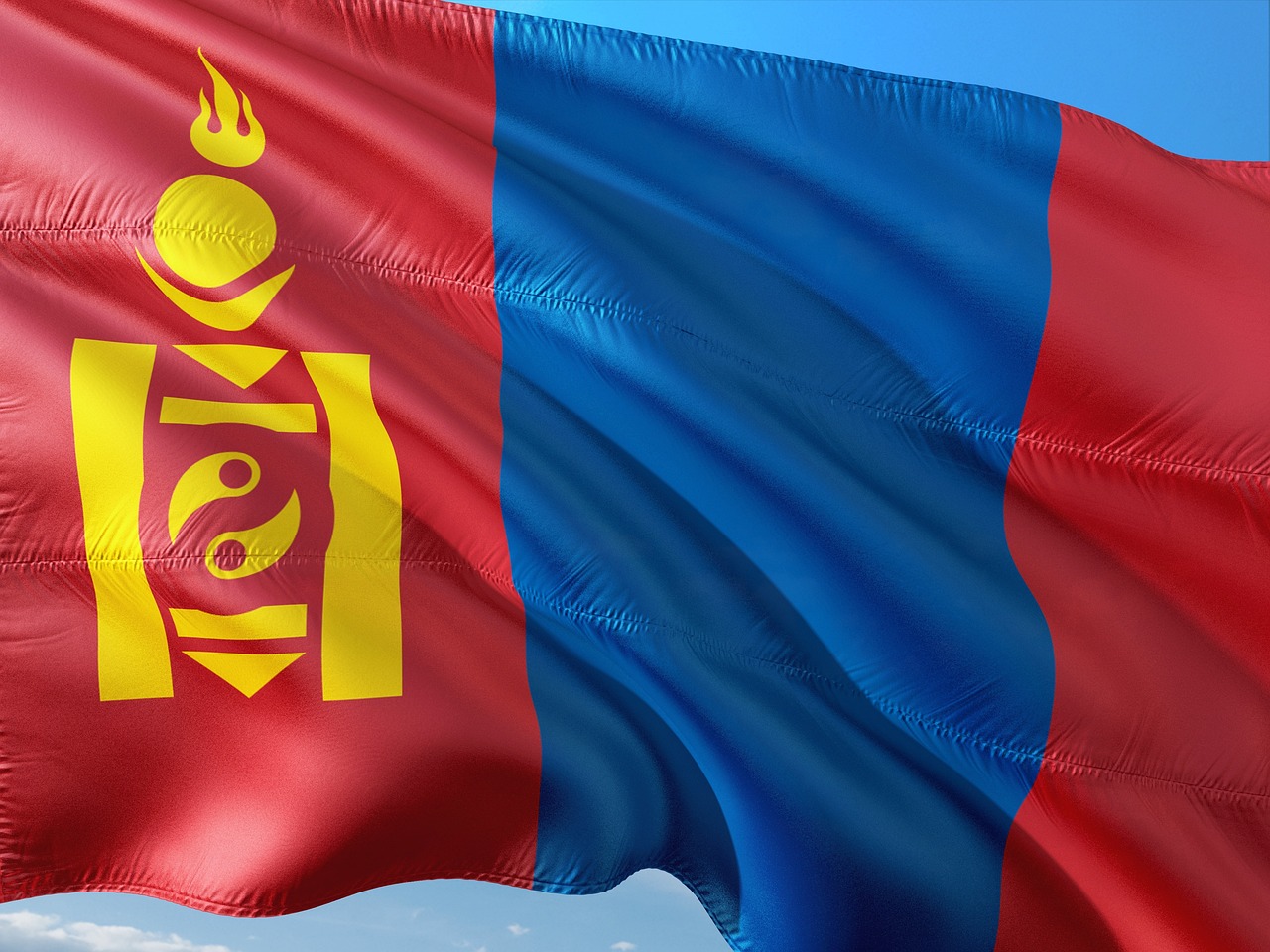
Mongolia – Famous for wide landscapes & ancient nomadic Culture
Mongolia is one of the most extraordinary and fascinating lands. It is situated in the East-Central Asia part. The country is surrounded by two enormous neighbors: Russia, from where it is divided by the river Amur, and China, its southern neighbor. The country is world-famous for its open spaces, the nomad traditions, the nomad way of life, and its close relation with nature. When thinking about Mongolia, people see themselves surrounded by wide spaces, horses running, tents called gers, where nomad families live, and a sky stretching infinitely. This is not only imagination – this is real life.
Geographical Location and Landscape
Mongolia is an inland nation with no coastline. This is where it ends. Where it lacks in the amount of the world’s waters, it more than makes up for in the diversity of its land features. The land is dotted with grassy steppes, mountain ranges that touch the sky, deserts that could rival the Atacama in Chile for driest in the world, frozen lakes chock-full of fish, and forested areas that would put the Amazon rainforest to shame. The Gobi Desert is the largest feature in the south, while the mountain ranges of the Altai break up the land in the west. In the extreme north is the forest and the icy lakes like the dazzling Lake Khövsgöl, nicknamed the “Blue Pearl of the Mongols.”
Climate and Seasons in Mongolia
The climate in Mongolia is of extreme continental type. This implies that the summers are brief and warm, and the winters are prolonged and freezing. The winter months can get extremely cold, especially in the interior of the country. However, the summer months are quite pleasant and thus the best time to visit. There is strong wind and aridity in spring, while autumn is characterized by calmness, coolness, and beauty. It is mainly due to these climatic variations that Mongolia is so different from the rest of the world throughout the year. Tourist seasons range from June to September.
History of Mongolia
Mongolia has a rich and eventful history, and it has significantly influenced Asia and Europe. The most crucial person in Mongolian history is Genghis Khan, who lived during the 12th century. He managed to bring all Mongolian tribes together and establish the Mongol Empire, becoming the largest continuous land empire in the world. Genghis Khan impacted numerous aspects of life around the globe through trade, communication, and warfare practices. After the end of the empire, Mongolia experienced various developments, including Chinese and Soviet rule. Mongolia gained its independence in 1921 and later became a socialist state. During the early 1990s, Mongolia adopted a democratic government and is now a democratic state that incorporates its heritage while developing through modernization.
Culture and Nomadic Lifestyle
Mongolian culture is also linked to nomads. Traditions of the Mongolians have continued for thousands of years while migrating with their livestock across the country with the changing seasons and grazing lands. Even to this day, some families live in gers; these ARE round portable houses constructed of felt and wood. They provide warmth during winter and a cool atmosphere during summer. An integral part of the Mongolian culture is the tradition of hospitality. Arriving guests are traditionally received with tea, dairy products, and warmth. Music, throat singing, Mongolian wrestling, horse racing, and archery are also essential components of the culture of the people of Mongolia.
Tourism in Mongolia
One of the most distinctive and least visited places in the world is Mongolia. It is an enormous country found between China and Russia, and it’s known for its endless plains, nomadic culture, and rich heritage. Visiting Mongolia as a tourist experience doesn’t involve luxury and bustling cities and places to visit but rather space, quietness, nature, heritage, and adventure. When one visits Mongolia, there is an energy associated with the connection to the land and the sky because of the vastness of the horizon there. Thus, Mongolia is known to draw travelers who wish to have a different tourist experience that is genuine and meaningful to them.
Ulaanbaatar – The Gateway to Mongolia
Ulaanbaatar is the capital of Mongolia, and it is where most of the tourism begins. Despite the famous countryside Mongolias, many points of interest can be found within Ulaanbaatar itself. Ulaanbaatar is a place where modern culture and traditional culture meet side by side. On one hand, you see modern buildings, bustling streets, and shopping malls. On the other hand, you see a Buddhist monastery, a market, and an ancient history museum where one can learn about Mongolias rich culture. Therefore, Ulaanbaatar is a useful introduction for tourists about Mongolia before setting foot in the countryside.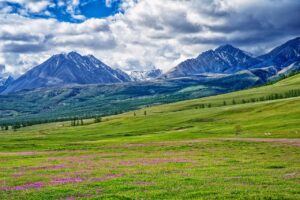
One of the most significant locations in the city is the Gandan Monastery. This living monastery is a tranquil and spiritual experience, where tourists can witness the prayer and chanting of the Buddhist monks. Another significant site is the Sükhbaatar Square, which is the city square and an emblem of Mongolia’s newfound history. Nearby is the National Museum of Mongolia, where tourists learn about the history of the nation, from the ancient kingdoms to the new era of freedom. Thus, there is more to the city of Ulaanbaatar than being a transiting city.
The Gobi Desert – Mongolia’s Most Famous Landscape
One of the most popular destinations within the Gobi Desert is the Khongoryn Els sand dunes. The dunes are enormous, golden, and have a humming effect created by the movement of the sand generated by the wind. Tourists usually visit the dunes to enjoy the sunset. The destination is also characterized by the Flaming Cliffs, also referred to as Bayanzag. This destination is popular as it is where dinosaur fossils and eggs were found. The destination is characterized by its reddish appearance, especially during the sunrise and sunset, making it have a dramatic appearance. Therefore, the Gobi Desert is ideal for adventure, photography, and nature lovers.
Nomadic Culture and Ger Camps
Among the unique experiences to have in the country of Mongolia is staying with a nomadic family or at a ger camp. A ger is commonly referred to as a yurt and consists of a felt and wood structure in the form of a tent. These homes have been inhabited by nomadic families for thousands of years and have been moved along with their cattle to the grasslands. When people visit, they get to enjoy local cuisine, consume salted milk tea, and are informed about nomadic lifestyles. Additionally, they are given information regarding Mongolian history, customs, and traditions. More so, nomadic people are very hospitable, even though life in the rural setting is quite basic. Cultural immersion is one facet of visiting Mongolia that is most memorable. It gives people an opportunity to get the pulse of Mongolia.
Orkhon Valley – Heart of Mongolian History
The Orkhon Valley is recognized as one among the historically significant places in the country, Mongolia, and has been classified as a UNESCO World Heritage site. This valley was home to the past empires of the Mongol civilization. As one journeys through the valley, one gets to see the majestic landscapes in the form of grasslands, rivers, rocks, and livestock. Erdene Zuu Monastery is one of the most visited sites in the Orkhon Valley. It is the oldest Buddhist monastery in the country, and its structure is marked by a wall featuring white stupas. This site offers tourist a glimpse into their religious heritage through the temples, statues, and artwork found inside. The Orkhon Waterfall is another beautiful attraction located in the vicinity. As such, one can state that the Orkhon Valley is an essential tourist destination due to its historic, religious, and natural value.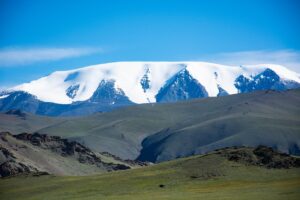
Lake Khövsgöl – The Blue Pearl of Mongolia
Lake Khövsgöl is one of the most picturesque sightseeing spots in the country. It is also referred to as “Blue Pearl” because of its amazingly clear blue water. This lake is situated in the northern parts of the country close to the Russian border. It is covered with forests and mountain ranges. The air is fresh and clean, and the surroundings are tranquil with incredibly clean water. Lake Khövsgöl is surrounded by natural attractions and facilities that promote relaxation. Some of the activities that travelers undertaking tourism in Lake Khövsgöl take part in include going for a walk around the lake, horse riding, boat riding, or just relaxing in silence. During summer, Lake Khövsgöl is lively due to various festivals and activities. During winter, an ice festival is also held on its frozen surface, making it an attractive destination for those who are eager to experience it.
Altai Mountains – Adventure and Wilderness
In western Mongolia, there are the Altai Mountains that are known to have some of the most striking landscapes. In fact, these mountains are quite lofty, rugged, and remote. This makes the Altai Mountains the most suitable location for adventure tourism. Anyone who travels to the Altai region is likely to go hiking, trekking, and riding horses. One of the distinct cultural sights of this area is the eagle hunters of the Kazak people. The eagle hunters hunt small animals using golden eagles, which they train to do so, and this practice has continued from generation to generation. People visiting the area get a chance to watch demonstrations of eagle hunting and also get to know the culture of the Kazak people. The Altai area also has glaciers, lakes, and rock carvings, which gives the area historic values too.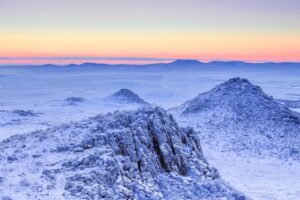
Naadam Festival – Mongolia’s Greatest Celebration
“Naadam Festival” is one of the most significant events of Mongolian culture and a great source of tourism as well. Naadam Festival happens mostly in July, and it represents Mongolia’s sporting traditions, such as “wrestling, horse racing, and archery.” In Naadam Festival, people wear colorful clothing, making it a joyful occasion. Visitors to Naadam mongolian wrestling matches can watch men with muscular builds wrestling in traditional ways, watch children racing horses over a long distance, and watch others shooting arrows at targets quite some distance away. Apart from this, Naadam has music, dancing, eating, and performances too.
Terelj National Park – Nature Close to the Capital
Gorkhi-Terelj National Park is relatively close to Ulaanbaatar and therefore is among the easiest nature spots to visit from the city. The national park is most famous for its valleys with vegetation, rock formations, rivers, and open pasture land. Among the most iconic attractions at the park is the Turtle Rock. This is the name given to the large turtle-shaped rock formation. Activities for Terelj visitors include hiking, horseback riding, and ger camps. They can explore temples and have an opportunity to dine on local cuisine. Terelj National Park is ideal for travelers with short time to explore since it is geographically close to the capital of Mongolia.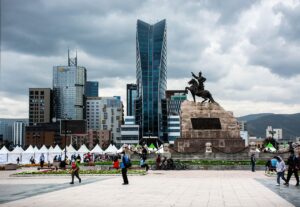
Desert, Steppe, and Open Landscapes
One of the characteristics of Mongolian tourism is the country’s wide spaces. The endless steppe, hills, and mountains offer a feeling of liberty, an aspect hard to come by in the contemporary world. The journey stretches for hours without spotting cities or crowds, an aspect appreciated by some visitors. These regions also have animals like horses, camels, yaks, and gazelles. Bird watching and photography enthusiasts also prefer visiting Mongolia due to the virgin surroundings of the country. Hence, even the process of traveling through the country becomes a tourism activity itself.
Surrounding Places Near Mongolia
Mongolia is a large, non-coastal country situated in the area known as Central and Eastern Asia, sandwiched between two major and highly developed nations: Russia, which borders it on the northern side, and China, which borders it on the southern side. While Mongolia itself is not near the coastline and therefore has no direct beach vacation opportunities, its geographical location offers quick and accessible travel paths or ways to visit other exciting places with greatly varied landscapes, cultures, and histories. Such places offer immense value additions when considering a trip or vacation visit to Mongolia and learn about the continent of Asia.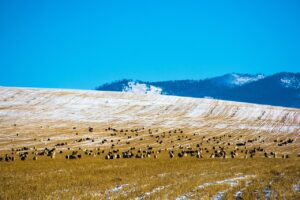
Russia – Siberian Regions Near Mongolia
Russia also shares a long northern border with Mongolia, and the areas that are geographically closest to Mongolia are Siberia. These regions are recognized by enormous forests, a chilly climate, and rich cultural traditions. The most popular destination from Russia that is closest to Mongolia is Lake Baikal, located just north of Mongolia and known as the world’s deepest and oldest freshwater lake.
China – Inner Mongolia and Northern Provinces
China borders Mongolia on the southern, eastern, and western sides, and those areas within China that are nearest to Mongolia experience a combination of steppe culture, a rich historical past, and modernized development. The Inner Mongolia Autonomous Region, within China, has a culture akin to that found within Mongolia, with grasslands, horse culture, and music, though it is a more fixed and urban environment.
Kazakhstan – Central Asian Neighbor Nearby
Even though the boundary of Mongolia does not directly border Kazakhstan, the western boundary of Mongolia lies almost side by side with eastern Kazakhstan. Adventurous tourists usually get to explore western Mongolia and move further to enjoy Kazakhstan to get the experience of Central Asia. There are scenic landscapes with mountains and valleys in Eastern Kazakhstan too. For example, cities like Almaty are distant but offer tourists attractions like culture, markets, and mountainous scenery as well. The linkage between Mongolia and Kazakhstan holds value for tourists who would like to explore nomadic culture and Turkic culture and the art of eagle hunting.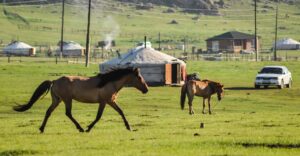
Tuva Republic – A Unique Region of Russia
The Tuva Republic is another region that is culturally very distinct. This region is geographically located near the northwest border of Mongolia in Russia. In fact, the Tuva Republic is known for its throat singing culture and its strong Shamanistic culture that is quite similar to Mongolian culture. The travelers who come to Tuva witness the sacred mountains, rivers, and holy points, which remain unaltered by the influence of modern civilization. The area is somewhat remote, hence ideal for the adventure-seeker.
Xinjiang Region of China – Far West Connection
Far to the south-west of Mongolia, there is China’s Xinjiang area. The area, despite not sharing borders with Mongolia, makes it to some itineraries when people travel Central Asia. Xinjiang Province has desert landscapes, mountain ranges like the Tian Shan, Islamic cultures, and Silk Road cities like Urumqi and Turpan.
Trans-Siberian Route – Connecting Mongolia to the World
Among the most popular tourist trails around Mongolia is the Trans-Siberian Railway and its branch in Mongolia, Trans-Mongolian Railway. This railroad links Beijing, Ulaanbaatar, and Moscow; thus, it is one of the most picturesque rail trails globally. People transiting through the Mongolian region can even continue on to Russia or China with ease. They get to experience different landscapes, cultures, and lifestyles en route. Just getting from point A to point B isn’t what this journey entails; instead, it is a journey in itself.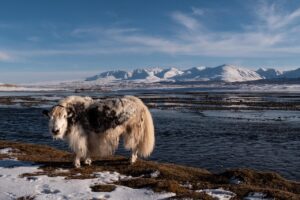
Why Mongolia Attracts the World
The world travels to Mongolia because it is a place that provides a commodity that is in short supply in modern times. Mongolia is about space, silence, tradition, and a connection to nature. People travel to this country not for comfort, not for luxury, but for reality. To live life with one’s head in the open air, to hear the sound of the wind on the steppes, to comprehend a culture that cherishes land and liberty.
Modern Development and Tourism Growth
This Meanwhile, tourism in Mongolia is being developed with consideration for protecting the country’s environment. Eco-tourism, community tourism, and cultural tourism have been emerging. Infrastructure development is underway; still, this country remains both untamed and open.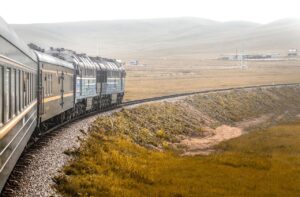
Conclusion
Mongolia is more than a place to visit; it is an experi- ence that resonates within the soul. Whether it is the boundless lands and historic culture or the warm-hearted people and rich traditions, Mongolia has something special to offer. When people return from their journey to Mongolia, they carry memories and stories to tell of what they witnessed, as well as a realization about the meaning of freedom and simplicity. Mongolia’s neighbors offer dimension, contrast, and variety to any adventure in this region of the world. As the world continues to become more populated and more hectic, the lands of Mongolia offer a reminder of wide open spaces and timeless values.
Mongolia Official Tourism Website
Best starting point for destinations, adventure travel, nomadic culture, festivals, food, and trip planning.
Mongolia.travel — Official Tourism Website
Discover Mongolia’s Regions and Destinations
Explore Ulaanbaatar, the Gobi Desert, remote grasslands, mountain landscapes, lakes, and traditional nomadic communities.
Explore Mongolia — Destinations and Travel Themes
UNESCO World Heritage Sites in Mongolia
Reliable information about Mongolia’s historic and natural heritage, including the Orkhon Valley Cultural Landscape and sacred Burkhan Khaldun Mountain.
Author

Related posts
OPEC
- 0
- 5,679 words
OPEC OPEC stands for the Organization of the Petroleum Exporting Countries. It is an intergovernmental organization created by major oil-producing countries to...
Read out all
How Do I Find Reliable Wholesale Suppliers
- 0
- 9,103 words
How Do I Find Reliable Wholesale Suppliers ? Finding reliable wholesale suppliers is one of the most important tasks for anyone starting...
Read out all
What Is Happening in the World?
- 0
- 5,355 words
What Is Happening in the World? The world is currently experiencing a period of overlapping crises and opportunities. Political disputes, military conflicts,...
Read out all
BRICS
- 0
- 5,794 words
BRICS : History, Members, Economy, Goals, Expansion and Global Influence BRICS is an international grouping of major emerging economies and developing countries...
Read out all
United Kingdom
- 0
- 5,089 words
United Kingdom The United Kingdom, commonly known as the UK, is one of Europe’s most fascinating travel destinations. Officially called the United...
Read out all
Bhutan
- 0
- 4,154 words
Bhutan Travel Guide Bhutan is one of the most fascinating travel destinations in Asia, offering an extraordinary combination of Himalayan landscapes, Buddhist...
Read out all