
Québec, Canada – Mix of history, Natural beauty & Modern life
Québec is considered one of the most beautiful and culturally rich regions in Canada; it offers a unique combination of history, natural beauty, and contemporary life. The strong French influence is noticeable right from arrival, reflected in the language, architecture, food, and traditions. Québec is one of those places where past and present go hand in hand, and their combination provides an ambiance that feels charming, unique, and unforgettable. The province is famous for its cobblestone streets, old buildings, large forests, quiet lakes, and lively festivals. Besides, Québec is divided into a number of important cities and charming towns, but the most famous are Québec City and Montréal, each with its own personality and style. For all these reasons, travelers from all over the world come to Québec as the place where they can get a taste of culture, history, and natural beauty all in one spot.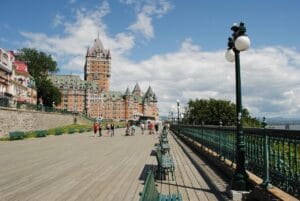
History of Québec
The history of Québec is long and interesting, starting first and foremost with the presence of the Indigenous peoples who settled on this land long before the arrival of Europeans. Centuries later, French explorer Samuel de Champlain laid the founding stones for Québec City in the early 1600s; this town was to become the heart of New France. As time passed, it became a colony filled with energy, steeped in theFrench language, custom, and law. Eventually, war between European powers resulted in Great Britain’s victorious takeover in 1763. The British took over the area but nothing could eliminate the French spirit-their language and culture. Today, Québec is considered one of the most markedly patriotic regions when it comes to matters of heritage and identity. Centuries of history are within the preserved buildings, museums, festivals, and in the pride of cultural belonging shared among all its people.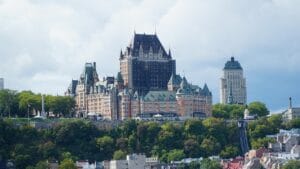
Culture and People of Québec
Rich, Québec’s culture mingles French heritage with local creativity and Canadian traditions. Its people, called Québécois, speak mostly in French, though many understand English. It is in this French language where the heart of daily life really lies, shaping everything from education to business and even art. Québec is also noted for its music, literature, and cinema, and artists from the province are often known on the international platform. Besides, people in Québec enjoy celebrating, and festivals happen throughout the year, including winter carnivals, music shows, and cultural events. Not far behind is the food culture, with things like poutine, tourtière, maple syrup desserts, and fresh curds of cheese. Such a warm, expressive, and artistic culture makes guests feel welcome and contributes to Québec being truly unique.
Geography and Climate of Québec
Québec is a vast province filled with amazingly varied landscapes: forests, mountains, rivers, coastlines, and small islands. Its most significant natural feature is the Saint Lawrence River, which divides Québec City and Montréal and connects the land with the Atlantic Ocean. This river played a vital role in forming the history of this province due to the fact that it allowed trade, travel, and migration. The climate in Québec changes with the seasons: winters are cold, snowy, and long, while summers are warm and sunny.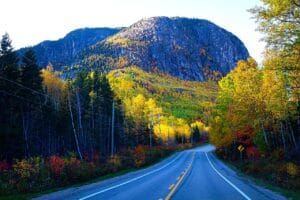
Québec City – The Historic Heart of the Province
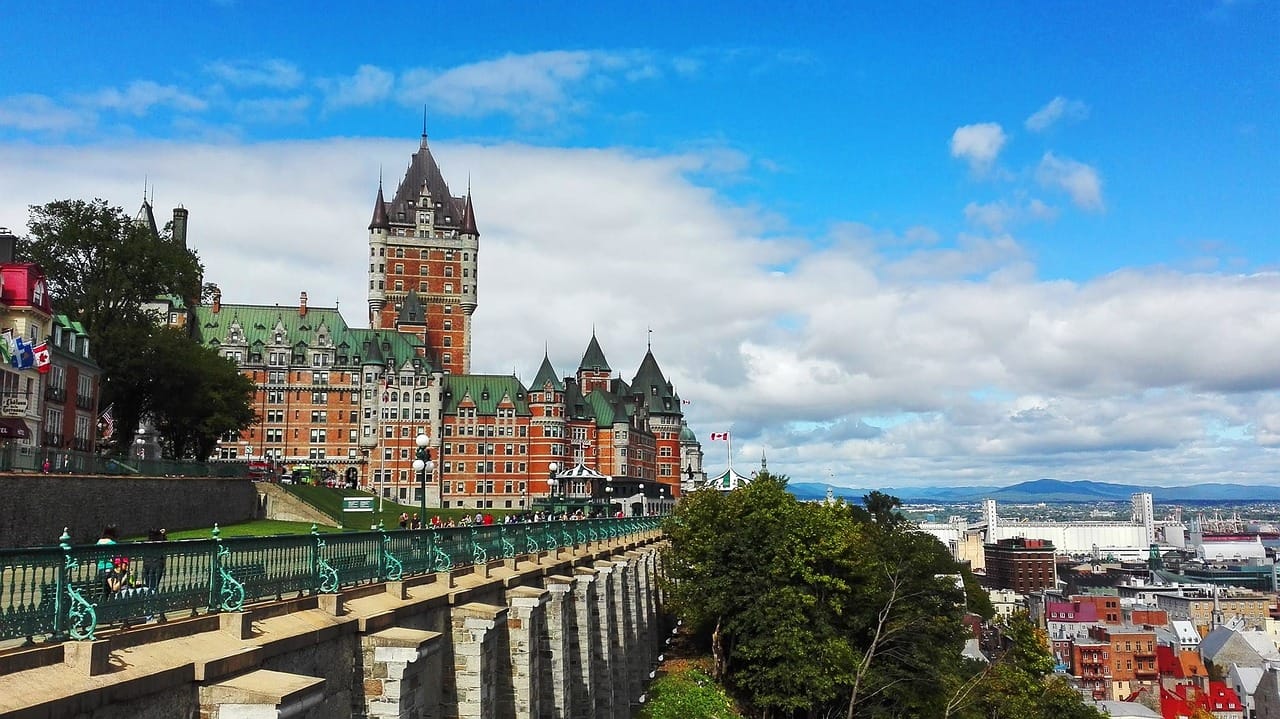
Québec City is one of the oldest European-established cities in North America, and it really feels like a European town due to its historic beauty. The most iconic part is, of course, Old Québec, a UNESCO World Heritage Site with its cobblestone streets, stone buildings, and old walls that once protected the city. Quite literally, the walk through Old Québec feels like being taken back in time, especially when such landmarks as Château Frontenac fill a big space above the whole city. Fortified walls, museums, small cafés, and local shops create a very romantic atmosphere. Québec City is also famous for winter celebrations, above all the Winter Carnival, which attracts people from many countries. The city is encircled by beautiful natural sceneries: waterfalls and parks. Thus, this city is able to become the perfect combination of history and nature.
Montréal – A City of Culture and Modern Energy
Montréal is the largest city in Québec, known for creativity, cultural diversity, and an animated urban lifestyle. As one walks through the city, historic buildings blend with modern skyscrapers, artistic murals, and charming neighborhoods. The Old Port area boasts stone streets and a beautiful waterfront, expressing the early days of the city. Mount Royal, a large hill in the middle of the city, offers beautiful views as well as peaceful walks. Montréal definitely carries the spirit of Québec, both culturally and in the art, the joie de vivre.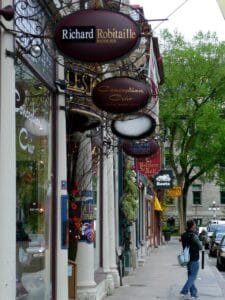
Tourism Sites in Québec
Old Québec (Vieux-Québec)
Old Québec is considered the historical heart of this province, and it immediately transports every visitor into a world filled with cobblestone streets, stone buildings, and charming European atmosphere. As you walk through its narrow lanes, you can feel the deep history that has shaped Québec for centuries, considering this area constitutes one of the oldest settlements in North America. The Upper Town proudly sits on the cliffs and offers wide views of the St. Lawrence River, while the Lower Town is closer to the water, with exquisitely preserved structures and gentle walkways.
Château Frontenac
Standing over the city like a grand guardian, Château Frontenac is arguably the most iconic symbol of Québec. With its tall turrets, copper roofs, and castle-like structure, the building looks as though it was plucked right out of a European fairy tale. Having welcomed royalty, celebrities, and travelers from all over the world, this posh hotel makes one feel elegant and part of history, even without staying inside, by just taking a tour around its exterior. Once inside the hotel, the richly decorated hallways, large windows, and general royal atmosphere almost put visitors into a time warp.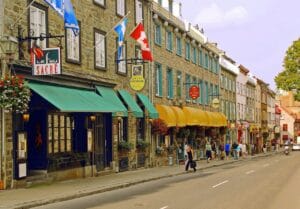
Plains of Abraham
The Plains of Abraham are a huge green open area in the heart of Québec City, and this parkland is full of historical meaning: the most relevant battle between the French and the British took place here in 1759 and determined the future of Canada. During the warmer months, the fields are full of picnickers, joggers, and cyclists enjoying the fresh air. When winter arrives, the landscape changes into a snowy playground where people ski, go snowshoeing, and contemplate the quiet beauty of the season. The Plains of Abraham perfectly merge nature and history; for this reason, the area is a must-see.
Montmorency Falls
A short distance from Québec City, the Montmorency Falls astound onlookers with their force and height, taller even than the Niagara Falls. While approaching this place, one can already feel the white mist in the air and the roar of water rumbling. A suspension bridge across the top of the falls lets one stand right above the river and offers great views. There are stairs and lookout points for other perspectives, and for adventurous visitors, there is a cable car that moves smoothly up and down the cliff. During winter months, Montmorency Falls become frozen into sparking ice, taking blue-white shapes that appear almost magical and unique. The idea of such a natural attraction helps one understand just how powerful and beautiful Québec’s landscapes are.
Petit-Champlain District
The Petit-Champlain district is described as one of the most romantic areas in Québec, and it quietly nestles at the foot of Cap Diamant in Old Québec’s Lower Town. Charming stone buildings line the narrow streets; their colored signs and decorated windows light up the whole district with color and an artistic feel. Boutiques, galleries, cafés, and small restaurants fill the area, while soft background music, crafts on display, and soft lights in the evening bring out that warm and cozy atmosphere. In winter, snow falls on the roofs, and the lights shine out warmly through every window, giving the district the magical appearance of a Christmas village. Every step through Petit-Champlain feels like discovering a new treasure, whether it is a handmade souvenir, a small chocolate shop, or an artisan’s workshop.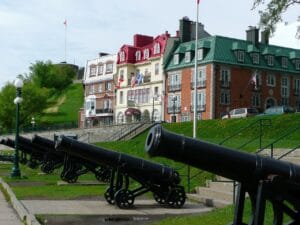
Citadelle of Québec
The Citadelle is an imposing fortress on Cap Diamant and serves as a serious reminder of the strategic importance of Québec in North American military history. The star-shaped fort was built by the British in the 19th century and still today houses active military units. The Changing of the Guard ceremony attracts many visitors with the guys’ colored uniforms, their precise movements, and the marching band music playing. Inside the fortress, the Royal 22e Régiment Museum displays a collection of armament, uniforms, documents, and artifacts that help visitors better understand Québec’s military past. For those who like history intermingled with culture and incredible architecture, this could certainly prove a very interesting location.
Québec Parliament Building
The Parliament Building of Québec boasts a very detailed façade, tall windows, and elegant towers that denote the very heart of the provincial government of Québec. Its construction represents both French and North American architectural styles. Moreover, taking a walk through the gardens surrounding the complex is pleasing, especially during warmer months when flowers are in bloom and fountains sparkle in the sun. Throughout the year, the Parliament area is always lively yet peaceful, photogenic, and just as modern in governance as it is classically beautiful.
Île d’Orléans
Only a short drive from Québec City is the peaceful island of Île d’Orléans, with its farms, orchards, historic homes, and charming rural scenery. Often referred to as the “garden of Québec,” many fruits, vegetables, and artisan foods stem from here. Just driving or cycling around this island will show small villages, local markets, berry fields, cheese farms, and maple syrup producers. One thinks immediately of peace: calm roads, green fields, and the old stone houses, remnants of early French settlement of the area. With the colors of the blossoms in spring or the golden shades in fall, there is always something happening on this island. Île d’Orléans is a gentle respite from the bustling city and an opportunity for travelers to experience Québec’s agricultural heritage.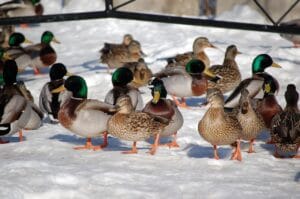
Musée de la Civilisation
The Musée de la Civilisation is perhaps Québec’s best museum, with its thought-provoking exhibitions about human cultures, history, and modern society. Creative displays inside the museum use interactive technologies, real artifacts, videos, and storytelling to show visitors in a fun way how to learn. Many exhibits illustrate Québec’s Indigenous cultures, describing their traditions, beliefs, daily life, and forms of artistic expression. Other areas feature global history, science, and contemporary social issues. Its ultramodern architecture and riverside location further enhance the museum’s appeal, making it easy for visitors of all ages to spend hours roaming its galleries. The Musée de la Civilisation is both instructive and stimulating; for the traveler who enjoys learning about people and cultures, it is the perfect stop.
Aquarium du Québec
The Aquarium du Québec offers a pleasant day for families and all those fond of nature, with its large collection of marine animals: polar bears, seals, walruses, and many species of fish swim gracefully in large tanks. Underwater tunnels create a magical effect when sharks and rays pass above visitors’ heads, while outdoor areas let them watch the games of marine mammals. Visitors can also learn much in interactive programs about conservation, ocean environments, and animal behavior. The aquarium skillfully links entertainment and education, enabling one to extensively learn about the marine world.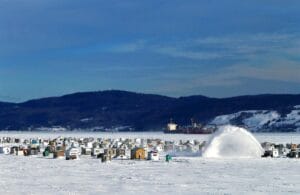
Basilica of Sainte-Anne-de-Beaupré
Nestled on the Beaupré Coast, Basilica of Sainte-Anne-de-Beaupré is among the major religious sites for pilgrimage in Canada. Inside, the basilica houses several colored glass windows, carved stone pillars, and artistic mosaics. When sunlight enters, its interior view looks marvellous with colorful glimpses at the basilica. The church is dedicated to Saint Anne, and many people come to pray here seeking healing, consolation, or blessings. Outside are peaceful grounds and quiet gardens where travelers can reflect and take in the views around them.
Mont-Tremblant
Mont-Tremblant is one of Québec’s greatest outdoor destinations, offering exciting activities throughout the year. During winter, its mountains become a snowy paradise where skiers glide down smooth slopes, snowboarders practice tricks, and families enjoy gentle hills suitable for beginners. As the snow melts in spring and summer, the entire area transforms into a green wonderland perfect for hiking, cycling, golfing, and boating. The village at the base of the mountain feels warm and festive with its European-style buildings, colorful roofs, and lively cafés. Mont-Tremblant remains a favorite for travelers who seek adventure, relaxation, and breathtaking natural scenery.
Saguenay Fjord
The Saguenay Fjord is considered one of the most beautiful natural sights in Québec. This narrow, deep waterway makes its way through a corridor of towering cliffs. Indeed, when the sun is just right, light dances across its usually tranquil surface. Whale-watching tours afford visitors an up-close encounter with these amazing creatures, especially in the nearby St. Lawrence River where different species migrate each year. The peaceful villages of the region dot the countryside while hiking trails and scenic lookouts provide unforgettable views. The fjord shows just how great the nature of Québec is, allowing travelers an opportunity to rediscover the appeal of the outdoors.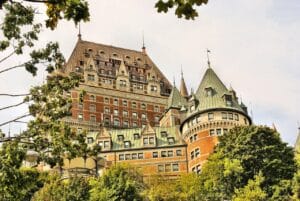
Gaspé Peninsula
The Gaspé Peninsula in eastern Québec is a vast region wedged between dramatic coasts, high cliffs, and small fishing villages. In Percé, a monumental rock known as Percé Rock rises out of the sea and lures photographers and lovers of nature. Forillon National Park has forests, beaches, mountains, and wild animals that create a paradise to be explored in every way. This is what the region’s lighthouses, traditional villages, and relaxed seaside atmosphere make the Gaspé Peninsula a beautiful and peaceful place to discover.
Food and Flavors of Québec
It reflects the French heritage, Canadian identity, and local creativity with which Québec was endowed. Of these, one very famous dish involves fries, cheese curds, and gravy in a dish called poutine. This modest dish has become a symbol of Québec’s culture. Traditional French-Canadian meals like tourtière, a spiced meat pie, abound during holidays and family gatherings. Maple syrup, tugged from maple trees, is another important part of Québec’s natural identity; spring is the time when many spend time in sugar shacks to eat maple meals and desserts. Cheese, patisseries, smoked meats, and a few gourmet restaurants are partly responsible for its reputation. For the Québécois, food is not just about eating; it is about celebration, hospitality, and culture.
Surrounding Places Near Québec
Québeckers are also enveloped by many interesting places that enable travelers to discover the wider region. To the west, the state of Ontario gives access to cities such as Ottawa and Toronto; each city has cultural attractions and modern sensations. To the east, the state of New Brunswick connects travelers to the Atlantic coast, where seaside towns, sandy beaches, and maritime culture await. North of Québec, the land gets remote and full of wilderness, which offers adventure and exploration. South of Québec, the border of the United States opens pathways into states such as Vermont, New York, and Maine. These regions provide mountain landscapes, charming villages, and historical sites. Besides, within Québec itself, travelers can visit beautiful towns such as Trois-Rivières, Saguenay, Rimouski, and Sherbrooke, where each has its own cultural and natural attractions. Because of these surrounding areas, Québec will become an excellent starting point for wider travel across Canada and North America.
Conclution
Québec is where history, culture, and nature mix to form a travel experience with reason and depth. Its province opens up to visitors with its heart so warm, artistic ambiance, and attachment it reserves for heritage. Travelers marvel at the quaint alleys in Old Québec, revel in the flamboyant fervor of Montréal, and then find themselves venturing deep into the countryside woods, lakes, and mountains. Visitors will find a place that is unique and different. Québec unfolds into realms of beauty and inspiration. Its befitting pride in culture makes a visit to the place memorable: a destination worth traveling to, indeed, when what travelers yearn for is European flair combined with the landscapes of Canada and friendly communities.
Author

Related posts
Best Places to Visit in Cartagena
- 0
- 4,522 words
Best Places to Visit in Cartagena , Colombia Cartagena de Indias is a historic Caribbean city on Colombia’s northern coast and one...
Read out all
Best Places to Visit in Kaohsiung
- 0
- 5,420 words
Best Places to Visit in Kaohsiung , Taiwan Kaohsiung is one of Taiwan’s most fascinating travel destinations, combining the energy of a...
Read out all
Best Places to Visit in Macau
- 0
- 5,725 words
Best Places to Visit in Macau , China Macau, also written as Macao, is one of the most distinctive destinations in southern...
Read out all
Best Places to Visit in Kyoto
- 0
- 5,452 words
Best Places to Visit in Kyoto , Japan Kyoto is a city where Japan’s past and present exist side by side. Modern...
Read out all
Best Places to Visit in Langkawi
- 0
- 7,143 words
Best Places to Visit in Langkawi , Malaysia Langkawi is one of Malaysia’s most attractive island destinations and a popular choice for...
Read out all
Best Places to Visit in South America
- 0
- 6,118 words
Best Places to Visit in South America South America is a continent of extraordinary contrasts. In one region, travelers can explore ancient...
Read out all