
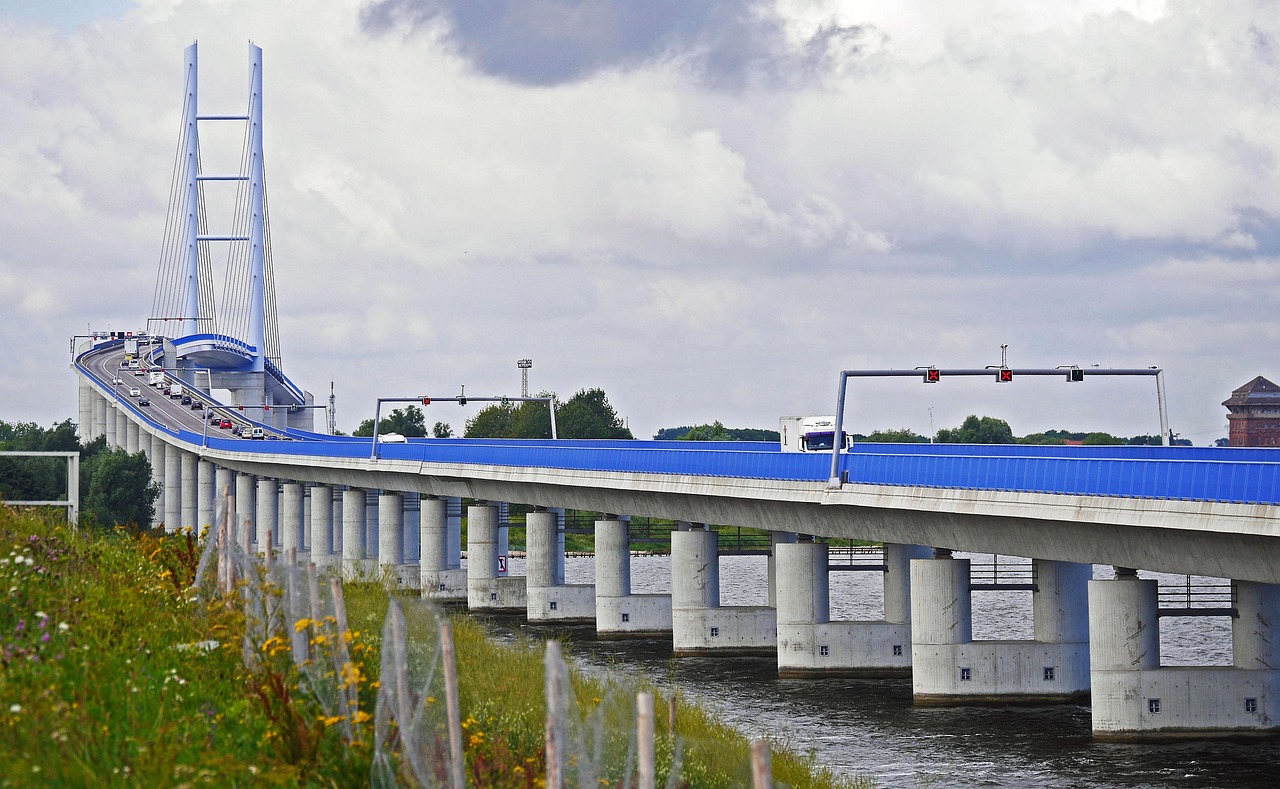
Stralsund & Wismar, Germany
Stralsund and Wismar are two beautiful historic cities situated in northern Germany and together form one of the most impressive cultural landscapes in Europe. Both cities lie along the Baltic Sea and both grew into powerful trading centers during the Middle Ages. Members of the Hanseatic League, they became important centers of trade, culture, and craftsmanship, and their success is still reflected today in the great buildings, narrow streets, and quiet squares which fill their old towns. Visitors to these cities are at once aware of the connection between past and present, for every corner has its story to tell and every structure reflects centuries of skill, ambition, and creativity.
Stralsund is often called the “Gateway to the Island of Rügen,” as it sits on the coast facing the famous island. Its location brought merchants, sailors, builders, and leaders who shaped the city as a strong, wealthy center of Northern Europe. The dramatic Gothic brick buildings of the town, its old port full of fishing boats and sailing ships, and the museums expressing the history of the Baltic region ensure admiration. At the same time, the city feels calm and welcoming, and it offers a relaxing atmosphere for travelers who want to explore history, at the same time enjoying the sea breeze.
Wismar boasts a wonderfully preserved market square, striking churches, and a quiet harbor. During medieval times, it became one of the major Hanseatic ports, and its wealth underwrote some of the most outstanding Gothic buildings along the Baltic coast. Wismar has a strong maritime character, and its old warehouses, quays, and guild houses remind visitors that the Baltic Sea played an important part in everyday life for many hundreds of years. Wismar is renowned for its craftsmanship, notably its traditional brickwork, which to this day remains one of the most striking features of the city. Stralsund and Wismar together represent a UNESCO World Heritage Site for their outstanding architecture and especially well-preserved evidence of Hanseatic culture.
Geography of Stralsund and Wismar
The geography of both Stralsund and Wismar shapes their identity, culture, and how this is encounter.ed by the traveler. Both cities are situated in the north of Germany, in a region known as Mecklenburg-Western Pomerania. This region opens out in beautiful fashion onto the Baltic Sea, with its long coastline, gentle bays, calm harbors, and wide stretches of flat fertile land.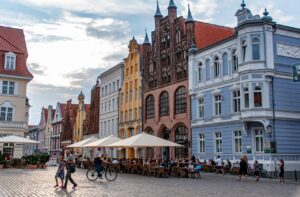
Stralsund
Stralsund is situated on a narrow sound called the Strelasund, separating mainland Germany from the island of Rügen, which is one of Germany’s largest and most beautiful islands. Stralsund can thus be referred to as a “gateway city,” as all trips to Rügen first have to go through here. The city is situated on several small islands and peninsulas linked by bridges and causeways, giving it some coastal charm. Of course, there is the old harbor with tall masts and peaceful waves. The coastline around Stralsund is speckled with small beaches, reed beds, and patches of wetlands where many birds live. Thus, the city becomes an excellent spot for those who love nature and want to observe bird migrations or take walks beside quiet coastal waters.
Wismar
Wismar also lies directly on the Baltic Sea, only a little southwest of Stralsund. It is set in a deeper, more protected bay called Wismar Bay. This bay allows the city to have calm waters, which provides for it to become a natural and safe harbor. The coastline is smooth around Wismar and, in places, forms little coves tucked away behind gentle bends of land. Due to this sheltered position, medieval sailors commonly used Wismar as a safe stopover during longer trading journeys. Today, fishing boats and yachts still use the harbor, reminding the visitor of its long maritime history.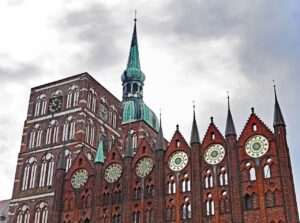
Since both cities are open to the Baltic Sea, Stralsund and Wismar represent a marine climate. The sea moderates the temperatures, and it is also a source of frequent fresh breezes. The summer is usually warm but not hot, which means that outdoor walks, cycling, and sightseeing are pleasing. Winters may get chilly, though extreme cold is rare in the cities. Foggy mornings, especially in the area of the harbor, give a mystical charm to the landscapes and a dreamy feature to the historic buildings. Water is an important part of the geography in both cities. For one, there is the sound and bridges leading to Rügen; for the other, the wide, hospitable bay. From this came canals, quays, and water neighborhoods. Many historic warehouses still survive around the ports, testifying to how geography determined economic life for so many centuries. Even today, visitors feel closer to nature because water is always nearby. Boats cross the sea slowly, salt fills the air, and seagulls circle above, creating the mariner atmosphere.
Tourism in Stralsund and Wismar
Tourism in both Stralsund and Wismar is deeply molded by their status as UNESCO World Heritage cities, their medieval towns, their picturesque waterfronts, and their strong maritime culture. Immediately upon arrival, visitors to these two cities become wrapped in the special atmosphere created by old architecture, peaceful harbors, and winding cobblestone streets that speak of the Hanseatic era. Here, tourism does not hasten. It grows from simple pleasures: walking through historic alleys, sitting by the Baltic Sea, exploring the red-brick Gothic churches, and discovering small museums that explain centuries of trade and cultural exchange. Travelers often feel calm and comfortable, being able to walk easily from one place to the next in both compact cities.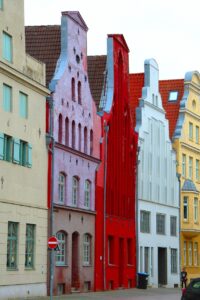
Old Market Square of Stralsund
Tourism in Stralsund often starts with the famous Old Market Square, where the Town Hall stands with its iconic Gothic façade, decked with delicate arches and bright colors. As this is the most representative signature of the “Brick Gothic” style, which gave a lot of power to the Hanseatic League, tourists usually spend more time admiring this building. Nearby, the St. Nicholas Church stands high above the rooftops, while stepping inside reveals tall pillars, quiet chapels, and artistic carvings which carry a sense of old spiritual life. Tourists also love a walk towards the harbor, where the fresh breeze coming from the Baltic Sea creates a relaxed mood. The Harbour Museum and historic sailing ship Gorch Fock I introduce the travellers to long naval traditions of the region. Families especially love visiting Ozeaneum Stralsund, one of the most visited marine museums in Germany, featuring huge aquariums and detailed exhibits of Baltic sea life, adding both fun and knowledge to the trip.
Wismar’s Market Square
Tourism in Wismar is a bit different, yet equally captivating. The town is softer and more serene, having been described as “calm elegance.” Visitors usually begin their journey at Wismar’s Market Square, the largest medieval town squares found in northern Germany. The square is surrounded by historic buildings, including the Wasserkunst, a beautiful Renaissance-style water fountain and colorful merchant houses lining its edges.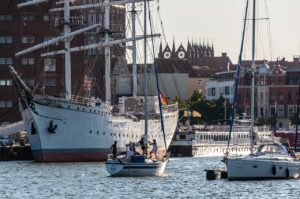
St. Nicholas Church
Another highlight of Wismar is the St. Nicholas Church, famous for its high hall and peaceful interior. Many visitors comment on the feeling of calm that pervades as they walk through its cool, echoing spaces. From there, a path toward the harbor opens up into a lively small boat area with fresh seafood restaurants and gentle sea views. Tourists like to sit along the quay’s edge, observing the coming and going of boats as soft breezes move across the water.
Though less flashy compared with Stralsund’s, its architecture is rich in detail and color, making the city warm and inviting. In addition, Wismar has quite an outstanding tradition of filming and cultural production; several TV series were centered on the scenic backdrop of the town. This would add one more interesting layer to the town, attracting those who enjoy visiting filming locations. Their linkage with nature also contributes to tourism development in both cities: due to their proximity to the Baltic Sea, beaches, nature reserves, and quiet coastal parks are easily accessible to travelers. Cycling paths are well-developed, and many visitors enjoy exploring the surrounding countryside on rented bicycles. The pace of life is unhurried and reassuringly comfortable; thus, both cities are ideal for people who wish to spend a quiet, culturally enriching holiday.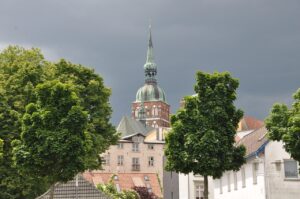
Surrounding Places of Stralsund
Rügen Island
One of the most beautiful areas around Stralsund is the Island of Rügen, the largest island in Germany. It is connected to the city with the Rügen Bridge and is thus easily accessible by road. The moment one crosses the bridge, one instantly feels that something has changed. The island is tranquil, open, and full of natural beauty. Famous for its white chalk cliffs, Rügen boasts incomparable steep cliffs in the Jasmund National Park. These brilliant cliffs plunge abruptly into the deep-blue Baltic Sea, forming a breathtakingly dramatic and unforgettable sight. Visitors can stand at its famous viewpoint, Königsstuhl, and feel as if the world is opening before them.
Hiddensee Island
The quiet and car-free Hiddensee Island is a peaceful retreat near the city of Stralsund. It is reached by ferry, and from the moment of landing on the island, everything seems calmer. There are no cars; the only sounds are the sea waves, wind, and footsteps of people walking or cycling. Standing on a hill, one of the most iconic sights on the island is the Dornbusch Lighthouse, giving a wide view of the Baltic Sea. The lighthouse especially looks magical during sunset when the sky turns orange and pink. Hiddensee is famous for its cultural history, too, because many painters, poets, and writers spent their summers here.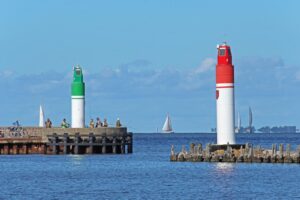
Jasmund National Park
Located on the island of Rügen but often visited from Stralsund, Jasmund is a UNESCO World Heritage site because of its ancient beech forests and steep chalk cliffs. The forest feels old and mysterious, with tall trees rising close together and sunlight filtering through the leaves. Visitors walking along the trails can smell fresh ground, hear birds singing, and feel deeply connected with nature. The Victoria Viewpoint and other cliff edges offer dramatic views over the sea, which changes colors from turquoise to deeper hues of blue and green depending on the sun.
Darß Peninsula and Western Pomerania Lagoon Area
Another beautiful surrounding area is the Darß Peninsula, part of the Western Pomerania Lagoon National Park. This region comprises wide sandy beaches, wild coasts, and thick forests. The western beach of Darß is especially famous because of its untouched, natural beauty. The wind shapes the trees into artistic forms, and the coast changes each year due to natural forces. The charming village of Prerow, with its traditional houses and old lighthouse, attracts many visitors who want calm nature, cycling paths, and quiet forests.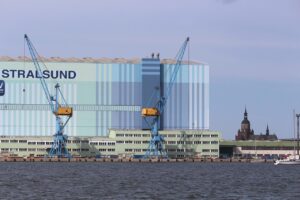
Surrounding Places of Wismar
Insel Poel (Poel Island)
Poel Island is a haven that appeals with calmness and beauty, nestled between the waves of the Baltic Sea, just a short drive from Wismar. It serves as an excellent port of call for relaxation, boasting sandy beaches, small fishing houses, and a shore gently stroked by waves. Villages such as Timmendorf and Gollwitz offer tranquil seaside views, fresh seafood, and beautiful coast-side walking routes. Timmendorf boasts one of the island’s favorite attributes: a lighthouse. Poel is ideal for families, couples, and lovers of nature in general that are looking for a quiet retreat away from noisy towns.
Lübeck
A short distance from Wismar is the beautiful city of Lübeck, one of the most important Hanseatic towns of northern Europe. Narrow streets, historic churches, and medieval warehouses of red brick characterize Lübeck’s old town. The most famed landmark is the Holstentor, a grand city gate right out of a medieval storybook. When you take a walk through the historic centre, you get a sense of combining old buildings with traditional bakeries and charming canals. Lübeck is also famous for its marzipan, a sweet almond dessert available in numerous shops across the city. Its soft and artistic style makes Lübeck an excellent surrounding place to visit from Wismar.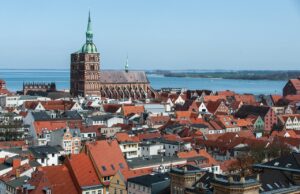
Schwerin
Schwerin is a city located south of Wismar and is most famous for its imposing Schwerin Castle. Because the castle has been built on an island in a lake, it gives it a fairy-tale appearance as if it were emerging from the water itself. The beautiful garden surroundings, bridges, and lakes help make the castle an equally breathtaking place during all seasons. Schwerin has charming squares, small streets, and old buildings throughout its old town, which provide it with a quiet, historic atmosphere. The area around lakes offers peaceful walks and quiet retreats for guests who relish nature views.
Boltenhagen
Another beautiful destination in the vicinity of Wismar is the seabathing Boltenhagen resort. This resort town features long, clean beaches, wooden piers, and clear water that invites one for a swim during the summer period. Visitors like to walk along the promenade, relax on open-air beach chairs, and observe boats move across the water. The surrounding cliffs and forests offer various hiking routes that boast wide views of the sea. Boltenhagen is ideal for travelers seeking a comfortable beach holiday option not far from Wismar.
Best Time to Visit Stralsund and Wismar
The best time to go to Stralsund and Wismar is generally from late spring to early autumn, especially between May and September. During these months, the weather is warmer, the days are longer, and the Baltic Sea breeze feels refreshing rather than cold.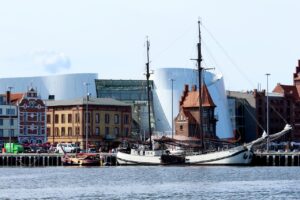
- It’s lively during summer: outdoor cafés open, boats make tours in the harbors, and many cultural events are offered in both cities. Early summer is really pleasant because temperatures are comfortable, yet the peak of tourists has not fully arrived.
- Autumn, especially in September and the beginning of October, is also a fine time to visit: the air gets crisper, the skies remain bright, and the historic streets and waterfronts are almost tranquil. Winter has its own charm, if you like quieter travel or are looking forward to experiencing the Christmas markets in northern Germany. However, temperatures can be quite cold, and some boat tours don’t run.
- Spring is perfect for travelers who want a laid-back trip, scenic photos, and good weather without sweltering heat. In other words, the ideal time is a matter of your travel style: summer is great for outdoor activities, spring and autumn are perfect for easygoing sightseeing, and winter is for those who like a quiet and festive atmosphere.
How to Go to Stralsund and Wismar
They are well-connected with rail and road, and there are nearby airports, making it easy to reach both cities. The nearest major international airport is Hamburg Airport, which gets flights from many countries. From there, travelers can take a comfortable regional train right away to Wismar or change to a connecting train for Stralsund. It’s a smooth and scenic ride throughout, often passing through forests and small villages and open countryside. Driving along the northern German coast is particularly appealing because the landscape mixes farmland, forests, and glimpses of the Baltic Sea.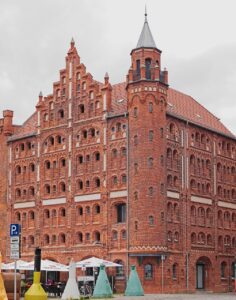
Buses also run between major cities, offering budget options for tourists. Once in Stralsund or Wismar, getting around is easy: both cities are compact, with most historic attractions within walking distance; local buses link the surrounding districts; and bikes are readily available for rent to tool around the harbors and waterfront paths. Travelers who want to visit the nearby islands—such as Rügen from Stralsund—can use frequent train connections or ferry services departing from the harbor. Therefore, whether you get there by plane, train, car, or bus, the ways to reach Stralsund and Wismar are convenient, comfortable, and appropriate for all kinds of tourists.
Conclusion
Stralsund and Wismar are potent reminders of the Baltic Sea’s rich maritime history. With their well-preserved brick Gothic buildings, picturesque harbors, and narrow medieval streets, these cities allow visitors a glimpse into the past while enjoying modern conveniences. Both towns represent the culture of the old Hanseatic League but offer different experiences: from the great sea views and the gateway to Rügen Island in Stralsund, to the warm, laid-back atmosphere and the elegant old town squares in Wismar. Travelers feel a deep sense of wonder as they walk through their UNESCO-listed centers, admire the tall church towers, visit fascinating museums, and relax in waterfront cafés. Beyond town limits, a tapestry of island-filled waters, dense forests, tranquil beaches, and small coastal towns stretches the adventure outwards.
Author

Related posts
Best Places to Visit in Dinant
- 0
- 4,779 words
Best Places to Visit in Dinant, Belgium Dinant is one of the most beautiful small towns in Belgium and one of the...
Read out all
Best Places to Visit in Mont-Saint-Michel
- 0
- 4,964 words
Best Places to Visit in Mont-Saint-Michel , France Mont-Saint-Michel is one of the most extraordinary destinations in France and one of the...
Read out all
UNGA
- 0
- 5,649 words
UNGA (United Nations General Assembly ) The United Nations General Assembly, commonly known as the UN General Assembly or UNGA, is one...
Read out all
Best Places to Visit in Kathmandu
- 0
- 4,089 words
Best Places to Visit in Kathmandu , Nepal Kathmandu, the capital of Nepal, is one of South Asia’s most fascinating travel destinations....
Read out all
Best Places to Visit in Vilnius
- 0
- 5,246 words
Best Places to Visit in Vilnius , Lithuania Vilnius, the capital of Lithuania, is one of the most fascinating destinations in the...
Read out all
Best Places to Visit in Riga
- 0
- 6,005 words
Best Places to Visit in Riga , Latvia Riga, the capital of Latvia, is one of the most fascinating destinations in the...
Read out all