
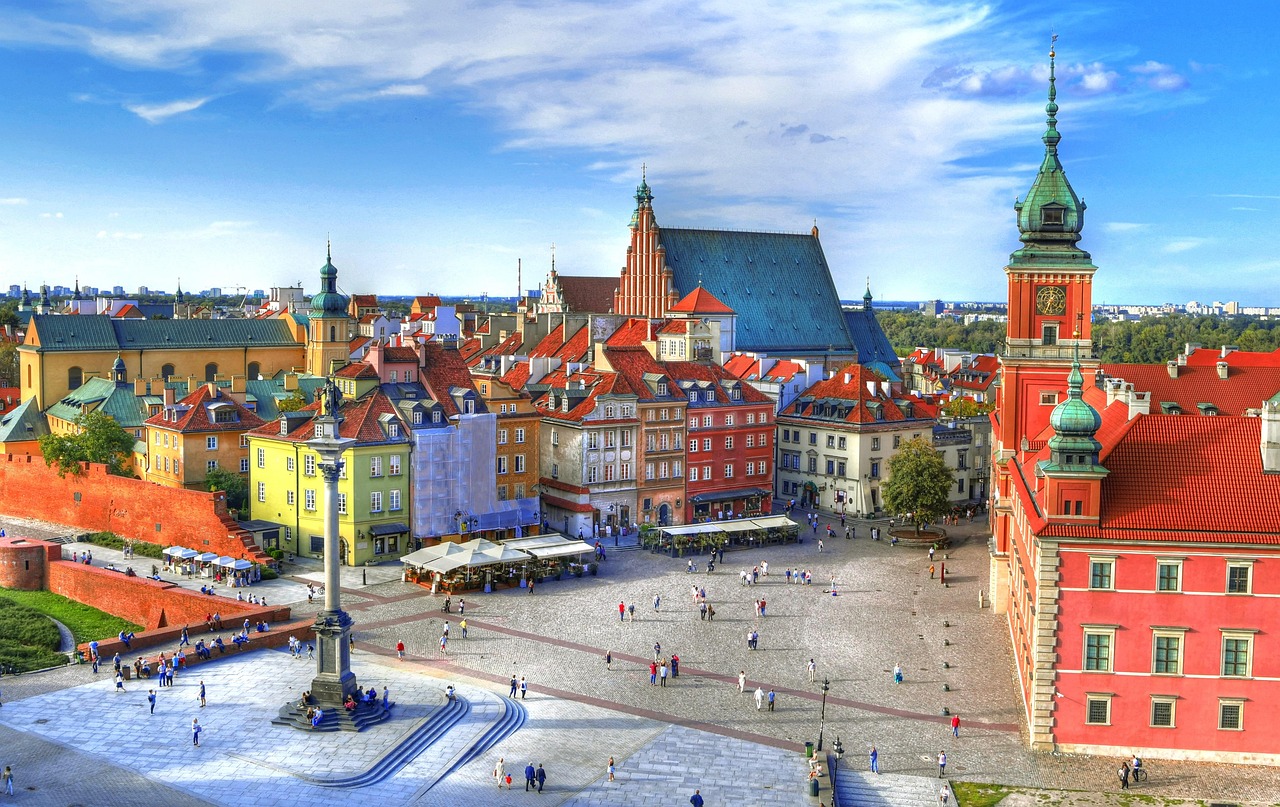
Warsaw – Most resilient and culturally rich cities in Europe
Warsaw, the dynamic capital of Poland, stands as one of the most resilient and culturally rich cities in Europe. It is a city that has been shaped by history, rebuilt with determination, and celebrated for its energy, creativity, and deep heritage. Although Warsaw was almost completely destroyed during World War II, it rose again with careful reconstruction, blending tradition with modern development. Today, it offers wide boulevards, quiet historical streets, tall glass buildings, colorful royal palaces, large green parks, and lively cultural institutions. Because of this balance between the old and the new, Warsaw attracts millions of visitors every year. This long, detailed article will take you on a journey through Warsaw’s geography and its long, dramatic history, major tourist attractions, cultural experiences, transportation routes, and beautiful surroundings. Each section is written in simple language, using smooth transitions between ideas so readers can enjoy the journey.
Geography of Warsaw
Warsaw is located in central Poland, almost at the middle of the country along the peaceful Vistula River-the longest river in Poland. The city spreads both sides of the river with extensive plains, mild hills, and natural greenery. The topography of Warsaw is marked both by natural and artificial features. The presence of big parks, forests, and riversides mostly retains the freshness in Warsaw. Due to the virtual flatness of the land, it is easily possible to take a stroll or bike around the neighborhoods. The climate is continental, with warm summers and cold winters. The city often has snow during winter, adding a fairy-tale-like romanticism. Another geographic feature of Warsaw is its large urban layout. The city comprises historic districts like Old Town and New Town, important government and business areas, and cultural zones with theaters, museums, libraries, and universities. Moving from district to district, buildings, roads, and even the atmosphere will change gently, bringing out different stories of the long development of Warsaw.
History of Warsaw
History is powerful and emotive, and it inspires. It talks about centuries of royal glory, changes in politics, wars, invasions, uprisings, and reconstruction. The city began with just a small settlement in the Middle Ages, but it developed pretty fast into an important one because of its advantageous strategic location along major trade routes. Later on, during the 16th century, Warsaw became Poland’s capital. Kings, nobility, artists, and scholars were residents in this place. The grand palaces, elegant squares, and cultural institutions grew during this particular period. Poland also formed a union with Lithuania during this time, so it created one of Europe’s strongest political entities. During the 18th and 19th centuries, Warsaw changed hands several times between Russian rule and uprisings against it. But even through turbulent times, a hardy spirit of culture and intellectual life still hovered on, with writers, musicians, and scientists vying for prominent places in European history-one of the most famous, Frédéric Chopin, the world-renowned composer and pianist, born near Warsaw.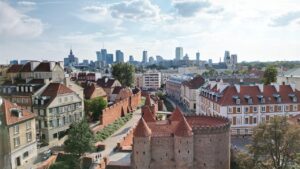
Tourism Sites in Warsaw
Old Town (Stare Miasto)
The Old Town of Warsaw is one of the most beautiful and symbolic areas in the city, especially because it was rebuilt almost entirely after World War II. When you walk through this district, you can feel the charm of narrow streets, pastel-colored buildings, and small squares filled with cafés. At the heart of the Old Town stands the Old Town Market Square, where traditional restaurants, art stalls, and horse carriages create a lively atmosphere.
Royal Castle
The Royal Castle stands proudly at the entrance of the Old Town and serves as one of Warsaw’s most important historical buildings. For centuries, it was home to Polish kings and also served as a political center for the country. Inside, visitors can explore royal chambers filled with precious furniture, large paintings, beautiful chandeliers, and decorative walls.The castle also displays valuable art collections, including works by famous European painters. Walking through its grand halls gives visitors a clear picture of the life of the Polish monarchy.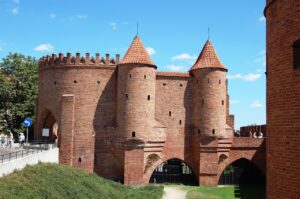
Palace of Culture and Science
The Palace of Culture and Science is one of Warsaw’s tallest and most recognizable buildings. Built in the 1950s, it was a gift from the Soviet Union and has become a major landmark in the city. The structure combines classical and modern architectural styles, giving it a unique appearance. Inside, the building holds museums, theaters, exhibition halls, and offices.
Łazienki Park and Palace
Łazienki Park is the largest and most elegant park in Warsaw. It feels like a peaceful green paradise in the middle of a busy city.Wide pathways, lakes, old trees, and colorful flowers make it perfect for walking and relaxation. The highlight of the park is the Palace on the Isle, a classical residence surrounded by water. This palace offers stunning architecture and valuable art collections. Visitors can also see the famous Chopin Monument, where free outdoor piano concerts are held during summer.
Wilanów Palace
Wilanów Palace is often called the “Polish Versailles” because of its grand design and beautiful gardens. Built for King Jan III Sobieski in the 17th century, the palace served as a royal residence away from the busy heart of the city. Today, it is one of Warsaw’s most treasured cultural sites. Inside, visitors can see richly decorated rooms, royal portraits, antique furniture, and historical objects from the Polish monarchy.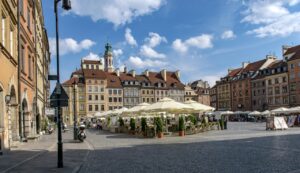
Warsaw Uprising Museum
The Warsaw Uprising Museum tells the story of the 1944 uprising in a detailed and emotional way. It honors the courage of Polish fighters who stood against Nazi occupation. Inside the museum, visitors can see photographs, films, letters, weapons, and personal items from the period. It is an important place for learning about World War II and the bravery of Warsaw’s citizens.
POLIN Museum of the History of Polish Jews
The POLIN Museum is a modern and powerful cultural institution focusing on the long history of Jewish life in Poland.The museum’s design is contemporary, with wide open spaces and creative architecture. Inside, visitors walk through different galleries that explore Jewish culture, traditions, everyday life, and historical events. One of the most important sections covers the Holocaust and its impact on the Jewish community. The exhibitions are created with multimedia, soundscapes, photographs, and interactive displays.This museum is both educational and emotional, helping visitors reflect on the city’s multicultural past and heritage.
Vistula River Boulevards
The Vistula River Boulevards form one of the most relaxing outdoor areas in Warsaw. The long riverside walkway is perfect for walking, cycling, or sitting by the water. During evenings, the boulevards glow with lights, and live music or small festivals often take place.This area provides a modern social experience while showing the natural beauty of the Vistula River.
Copernicus Science Centre
The Copernicus Science Centre is a favorite attraction for families, students, and science lovers. The museum encourages curiosity and learning through fun exploration.There is also a large planetarium that shows films about the universe, stars, and planetary movement. For travelers with children or an interest in science, this museum is a must-see.
National Museum in Warsaw
The National Museum is among the biggest in Poland concerned with art. Inside, it contains the collections of paintings, sculptures, drawings, and objects of historical features of different centuries. The participation includes Polish artists from ancient times to modern times and international ones.Among the widely renowned features are those that present medieval religious arts, scenes of military actions, and well-preserved decorative arts. The building is impressive and designed with spacious halls so that one can comfortably enjoy the exhibitions. The rich collection and its diversity will be appreciated by amateurs of art.
Surrounding Places of Warsaw
The areas surrounding Warsaw offer a tranquil contrast to the busy life of the capital. As you travel outside the city, you begin to see quiet forests, small historic towns, traditional villages, royal palaces, serene rivers, and cultural centers that reflect the deep history of Poland. These surrounding places help travelers discover more than just the capital—they reveal the landscapes, traditions, and stories that shaped the country.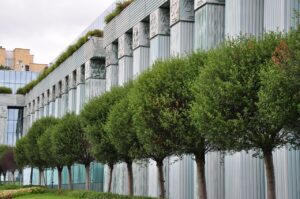
Wilanów – The Royal Suburb
South of central Warsaw lies Wilanów, a beautiful district famous for the Wilanów Palace, often called the “Polish Versailles.” Although it is technically part of the city, it feels like a world of its own. While walking along, you get a soft feeling of combination between nature and art. The nearby Wilanów Lake and park just call for going for a slow walk, taking boat rides, and photo-shooting. Due to its tranquility, Wilanów frequently turns out to be the first getaway from the center of the city
Kampinos National Park – Nature Close to the Capital
Just a short drive west of Warsaw lies Kampinos National Park, a protected forest area stretching over thousands of hectares. As soon as you arrive, you notice a dramatic change—the air becomes fresher, the sounds become quieter, and tall pine trees rise on both sides of the trails. This national park offers endless outdoor activities such as hiking, cycling, wildlife watching, and in winter even cross-country skiing. Many visitors enjoy watching wild animals, including deer, foxes, boars, and rare birds hidden among dense trees.
Żelazowa Wola – Birthplace of Chopin
About 50 kilometers from Warsaw, surrounded by charming countryside, lies Żelazowa Wola, a small village known worldwide as the birthplace of the famous composer Fryderyk Chopin. His family home has been carefully restored and now serves as a peaceful museum.As you walk through the property, you hear gentle piano music floating through the gardens, creating a calming atmosphere.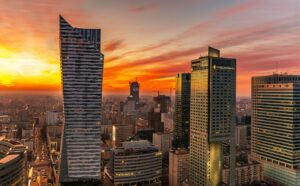
Modlin Fortress – A Historic Military Site
To the north lies Modlin Fortress, one of the largest 19th-century fortresses in Europe. It sits dramatically at the meeting point of the Vistula and Narew rivers.As you explore the area, you see long brick barracks, watchtowers, gates, and tunnels stretching for kilometers. Walking through its silent corridors gives a strong sense of the past. From the top viewpoints, visitors can enjoy sweeping views of rivers, forests, and farmlands. The atmosphere is peaceful, yet the massive walls still carry memories of battles.
Łowicz – A Town of Folk Culture
Further west stands Łowicz, a colorful town famous for its strong folk traditions. When you visit, you see bright costumes, handmade textiles, traditional chalets, and unique paper cuttings hanging in local workshops. The town square is surrounded by charming houses, each painted in warm colors.
Płock – A Riverside Historic City
About 1.5 hours from Warsaw stands Płock, a picturesque city on a high cliff overlooking the Vistula River. Its skyline is dominated by the Płock Cathedral, one of the oldest in the country. Walking through the Old Town feels like stepping into a medieval story, with cobblestone streets, historic houses, and a scenic promenade along the water.
Kazimierz Dolny – A Village of Art and Nature
Although a bit farther away, Kazimierz Dolny is one of the most beautiful small towns in Poland. Artists, painters, and photographers visit the area for its river views, wooden houses, and green hills. The main square is filled with cozy cafés and old merchant houses decorated with carved stone designs. Nearby, you find hiking trails that lead to viewpoints over the Vistula River. Because of its creative and peaceful environment, many visitors feel refreshed after spending a few hours here.
Radziejowice Palace – A Quiet Artistic Retreat
South of Warsaw lies Radziejowice Palace, surrounded by forests, gardens, and small lakes. The palace has been transformed into an artistic center where exhibitions, concerts, and workshops take place. Walking through the estate feels graceful and calm. White buildings reflect on the lake, birds sit on branches above the water, and long green lawns invite visitors to sit and relax.
Serock – A Riverside Escape
Located north of the capital, Serock offers a peaceful riverside environment, perfect for visitors who enjoy water activities. Calm waves of the Narew River make it ideal for boat rides, kayaking, and fishing. Small restaurants line the riverbank, offering beautiful sunset views.
Nieborów and Arkadia – Palace and Romantic Garden
One of the most beautiful surrounding destinations is the Nieborów Palace, known for its baroque architecture and rich interior decorations. Nearby lies Arkadia Park, a romantic English-style garden filled with small bridges, sculptures, artificial ruins, and serene ponds. The two places complement each other perfectly—Nieborów reflects elegance and luxury, while Arkadia brings peaceful natural beauty.
Best Time to Visit Warsaw
Warsaw The best time to visit Warsaw is late spring (May to June) or early autumn (September to October). These months have pleasant temperatures, clear skies, and many cultural events. Summer is warm and lively, ideal for outdoor activities along the Vistula River. Winter is cold but magical, especially with Christmas decorations and snow covering the streets. 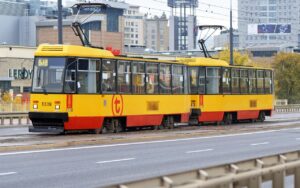
How to Go to Warsaw
Warsaw is among the most accessible European capitals.
- By Air : Warsaw Chopin Airport receives flights from all major world cities. It is only 20 minutes from the city center.
- By Train : High-speed trains connect Warsaw to Kraków, Gdańsk, Poznań, Berlin, Prague, and Vienna.
- By Bus : International and domestic buses are also available and sometimes more affordable. Inside the City Trams, buses, and the metro make transportation simple and efficient. Taxis and rideshare apps are also widely available.

Conclusion
Warsaw is a city that inspires through its strength, beauty, and stories. It shows how a place can rise from destruction and become even more vibrant. Visitors experience the charm of reconstructed heritage, the modern energy of a growing capital, and the deep emotions hidden in every street. Whether someone enjoys museums, historic buildings, nature parks, riverside walks, local food, or cultural festivals, Warsaw offers everything with warmth and character. When travelers leave Warsaw, they carry with them not just memories of beautiful places, but also the powerful message of hope, courage, and renewal that defines this extraordinary city.
Author

Related posts
Best Places to Visit in Dinant
- 0
- 4,779 words
Best Places to Visit in Dinant, Belgium Dinant is one of the most beautiful small towns in Belgium and one of the...
Read out all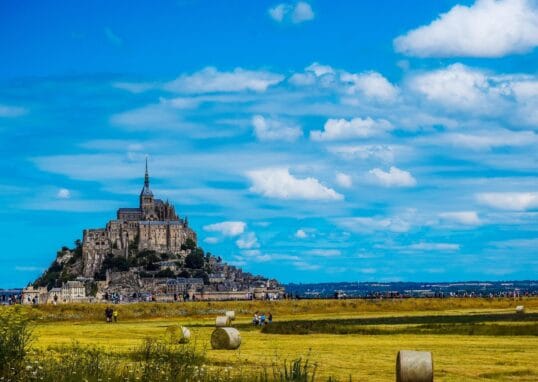
Best Places to Visit in Mont-Saint-Michel
- 0
- 4,964 words
Best Places to Visit in Mont-Saint-Michel , France Mont-Saint-Michel is one of the most extraordinary destinations in France and one of the...
Read out all
UNGA
- 0
- 5,649 words
UNGA (United Nations General Assembly ) The United Nations General Assembly, commonly known as the UN General Assembly or UNGA, is one...
Read out all
Best Places to Visit in Kathmandu
- 0
- 4,089 words
Best Places to Visit in Kathmandu , Nepal Kathmandu, the capital of Nepal, is one of South Asia’s most fascinating travel destinations....
Read out all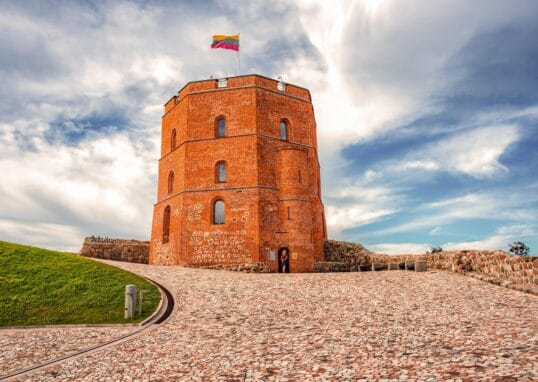
Best Places to Visit in Vilnius
- 0
- 5,246 words
Best Places to Visit in Vilnius , Lithuania Vilnius, the capital of Lithuania, is one of the most fascinating destinations in the...
Read out all
Best Places to Visit in Riga
- 0
- 6,005 words
Best Places to Visit in Riga , Latvia Riga, the capital of Latvia, is one of the most fascinating destinations in the...
Read out all