

Lisbon, Portugal – Most enchanting cities in Europe
Lisbon is the capital of Portugal and one of the most charming cities in Europe. It sits beside the wide Tagus River and faces the Atlantic Ocean, giving it a perfect blend of natural beauty and historical charm. The city is renowned for its warm sunlight, colorful buildings, narrow streets, and deep cultural heritage. According to many travelers, Lisbon feels both peaceful and alive at the same time. Lisbon is also a city of stories. It has been shaped throughout time by ancient civilizations, mighty empires, and powerful explorers. In the past, it was one of the most important ports in the world, especially during the Age of Discoveries, when Portuguese explorers reached across oceans. Nowadays, Lisbon is a hospitable place with open-hearted people, long traditions, modern attractions combined with a lively artistic energy. Below is a detailed article comprehensively reviewing all about Lisbon-from geography and history to iconic tourism sights and places around.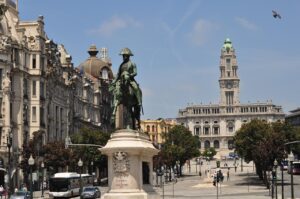
Geography of Lisbon
Lisbon lies on the west of Europe, on land not far from the Atlantic coast. The city stands on the northern banks of the river Tagus. This beautiful river widens seriously as it approaches the sea. The equally beautiful broad estuary is why Lisbon has beautiful views of the river in this part of the place. The morphology of Lisbon is built up by the river course as well because many quarters are built on the hills raised from the water. Indeed, a very famous nickname of Lisbon is “City of Seven Hills,” with each of these having its beauty and enjoying the lovely view over the city from viewpoints called miradouros. The geography of Lisbon encompasses coastal plains, rolling hills, and river landscapes. The center of the city is closer to low-lying areas where you will find main streets with government buildings and busy squares. As you go upwards in districts like Alfama or Bairro Alto or Graça, you come across steep streets with winding stairways and house rooftops overlooking the sparkling blue river.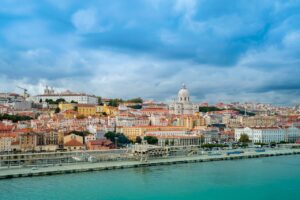
History of Lisbon
The rich, long history of Lisbon is full of dramatic events that shaped both Portugal and the world. More than 3,000 years ago, the city’s origins began. The Phoenicians settled here, as did the Greeks and the Romans, because this was an advantageous position near the Atlantic. Later, the Moors controlled Lisbon for several centuries, bringing innovations in agriculture, architecture, and city planning. Their influence can still be seen in the narrow streets of Alfama.
In 1147, King Afonso I led Christian forces to conquer Lisbon. This started Lisbon’s development as the capital of the new Portuguese Kingdom. During the 15th and 16th centuries, Lisbon developed immense importance in the world during the Age of Discoveries. Explorers such as Vasco da Gama and Ferdinand Magellan set off from Lisbon to discover new lands, thereby opening routes of trade with Africa, India, and Asia. Money flowed into the city, enabling the building of stunning monuments such as Jerónimos Monastery and Belém Tower. But on November 1, 1755, the city was stricken by disaster in the form of a destructive earthquake that destroyed much of Lisbon with subsequent fires and a tsunami. The city would never be quite the same afterward. 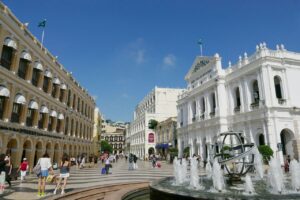
Tourism Sites in Lisbon
Lisbon, the capital of Portugal, has a bundle of beautiful tourism sites that blend together perfectly with history, culture, nature, and modern life. While walking around the city, one views old castles standing beside modern cafes and narrow streets leading to wide waterfront views.
Belém Tower
First of all, one of the most important places in Lisbon is Belém Tower, or as it is more commonly known, Torre de Belém. The tower proudly stands on the bank of the Tagus River and was built in the 16th century during the Age of Discoveries. While approaching the tower, its strong stone structure and decorative carvings denote the maritime power of Portugal.
Jerónimos Monastery
Not far from the tower is the famous Jerónimos Monastery, a grand masterpiece of Manueline architecture. The structure is large, elegant, and full of detailed stone carvings. When travelers come into the monastery, they notice long corridors, high arches, and peaceful cloisters. There is a church inside the monastery that houses royal tombs, beautiful windows, and calm places to sit and reflect in silence.
São Jorge Castle
Other must-see sights for tourism include the São Jorge Castle standing proudly on a hill that overlooks the whole of Lisbon. It is one of the oldest buildings in the city, offering some of the best views over colored houses, red rooftops, and winding streets. Visitors walk along its ancient walls, explore its watchtowers, and take a rest in shade in the gardens. Peacocks may roam free around the grounds of this castle, adding life and charm to the old stones. Because of its height, the castle offers a perfect spot to enjoy sunrise or sunset and, thus, is very much loved by photographers and all kinds of travelers who like such peaceful, scenic moments.
Alfama District
Further into Lisbon, it becomes a real highlight: a visit to the Alfama District. Alfama is one of the oldest Lisbon neighborhoods, famous for its narrow alleys, whitewashed houses, and traditional Portuguese life. To walk through Alfama is to enter a living museum: older people chatting across from their open windows, small cafes playing soft Fado music, and tiny shops selling handmade items. A common feeling is that getting lost within the maze of small streets filled with hidden viewpoints and small squares is a delight. The district also includes some important buildings, such as the Lisbon Cathedral, the National Pantheon, and numerous little churches that maintain the spirit of old Lisbon.
MAAT
For lovers of art and modern architecture, MAAT will be the site to visit. The building is a work of modern art, with curved lines and shining tiles that reflect the river. When travelers enter the museum, they find creative exhibitions that mix innovation, technology, and culture. People enjoy walking on the roof of the building to admire the river and the iconic 25 de Abril Bridge.
National Museum of Ancient Art,
Another popular destination for those who love culture is the National Museum of Ancient Art, which holds various valuable paintings, sculptures, and items of historical interest from both Portugal and other countries. The museum’s gardens provide beautiful views of the river; this is also a nice spot to rest after visiting the exhibits.
Tram 28
A trip to Lisbon would not be complete without a ride on the famous Tram 28, which passes through much of the historic city. The tram runs slowly through narrow streets, and along the way, travelers see views of old buildings, steep hills, and colorful houses. Wooden seats and a vintage design make for a nostalgic ride, more of an experience than simple transportation.
Rossio Square
Another beautiful spot is Rossio Square, one of the main meeting points of Lisbon. The square is filled with fountains, patterned pavements, and cafes where travelers can sit down and have a cup of coffee. Close to the Rossio Square is the Santa Justa Lift, a big iron elevator from the 19th century that connects different parts of the city.
Lisbon Botanical Garden
Among visitors, the Lisbon Botanical Garden provides a cool and green oasis in the center of the city, attracting those who appreciate botanical beauty. With its tall trees, exotic plants, and quiet paths, it offers refreshing relief from the hustle and bustle. Similarly, the Estufa Fria is a large greenhouse filled with waterfalls, ponds, and tropical plants that gives travelers a place of peace to explore nature while being within the confines of the city.
Commerce Square
Moving to the riverside, the Commerce Square is considered one of the most imposing squares in Europe. Yellow building fronts, great openness of space, and a statue of King José I comprise the square, being a welcoming point to the city from the river. Travelers can enjoy watching boats, taking pictures, and the lively atmosphere.
Basilica da Estrela
The Basilica da Estrela is another spectacle of architecture and quiet interiors for the lovers of religion and history. This church attracts visitors with its white façade, beautiful dome, and artistic decoration. Close by, the Estrela Garden is a place for relaxed walking, resting, or having picnics among ponds and tall trees.
Bairro Alto
Finally, the vibrant district of Bairro Alto is a major attraction for nightlife, dining, and entertainment. During the day, the narrow streets are quiet, but at night, the area becomes lively with restaurants, bars, and Fado music houses.
Surrounding Places of Lisbon
The areas around Lisbon are packed with beautiful towns, historic palaces, coastal scenery, and cultural treasures that make the Portuguese capital even more exciting to explore. These surrounding places are very easy to reach by train, car, or bus, and this way, travelers can balance their time spent in the vivid capital with the calm and scenic experiences close to town. Each destination is full of character; nature, history, art, and flavors await around every bend. For this reason, traveling around Lisbon feels like exploring many small worlds in one journey.
Sintra
First of all, one of the most popular destinations around Lisbon is the fairy town of Sintra, which lies some 30 kilometers away from Lisbon.Sintra seems to be a fairy-tale world because of its brightly colored palaces, forested hills, and mysterious gardens. The most characteristic feature of Portuguese Romantic architecture is the Pena Palace, situated at the top of a hill. Its bright colors, turrets in medieval style, and stunning views make the palace seem like something out of a storybook. Not far from the palace is another sight, the Moorish Castle: stone walls, narrow pathways, and panoramic views reaching as far as the Atlantic Ocean.
Cascais
Another wonderful surrounding place is Cascais, an elegant and fashionable seaside town located west of Lisbon. The city of Cascais is famous for its beaches, a nice marina, and for its laid-back coastal life. The seafront of the town has cafes, restaurants, and walking paths where visitors enjoy fresh sea air and the beautiful ocean view. Nearby, Guincho Beach is one of the best beaches for surfers because of its powerful waves and open coastline. Cascais also boasts historic sites: the Cidadela Fortress, the Santa Marta Lighthouse Museum, and the Paula Rego House of Stories-an art museum of the famous Portuguese-British painter.Many tourists spend a whole day in Cascais, swimming and feasting on seafood, then taking evening walks along the coastline back to Lisbon.
Estoril
Continuing further along this coast is Estoril: a tranquil beach and home to the world-renowned Casino Estoril, one of the biggest casinos in Europe. The casino was where Ian Fleming got his inspiration for his James Bond novel “Casino Royale,” and the casino itself is truly stylish. Estoril’s gardens, cafes right on the sea, and overall warm and relaxed atmosphere make it a perfect site for guests who enjoy relaxing with ocean views. This town is connected to Cascais through a long promenade that allows visitors to take a pleasant waterfront stroll or bike ride.
Belém
Another important surrounding destination is Belém, which, even though it is technically part of Lisbon, feels very much like a separate historical town. Belém is known for its maritime history, celebrated through such monuments as the Belém Tower, the Jerónimos Monastery, and the Monument to the Discoveries. These monuments honor Portugal’s Age of Exploration, when Portuguese sailors traveled across the world. In fact, this is one of the most essential surrounding places for travelers who want to understand the rich cultural heritage of Portugal.
Parque das Naçõe
Located east of Lisbon, Parque das Nações is a modern district with a different atmosphere from the historic city center. Developed for the 1998 World Expo, it houses one of the largest aquariums in Europe: the Oceanário de Lisboa. This district features contemporary architecture, riverfront walking paths, shopping centers, and cable car rides that provide great views over the Tagus River.
Almada
Opposite Lisbon, over the 25 de Abril Bridge, Almada is a coastal town famous for its Cristo Rei statue, which overlooks the city atop an elevated hill. Modeled after the Christ the Redeemer statue of Rio de Janeiro, it offers great views of Lisbon, especially at sunset. The coastline of Almada comprises long sandy beaches, like Costa da Caparica, a preferred area of beach lovers and surfers.
Sesimbra
A little further south lies Sesimbra, a charming fishing town surrounded by mountains and the sea. Sesimbra is famous for its fresh seafood, peaceful harbor, and nearby natural parks. The Arrábida Natural Park, located close to Sesimbra, offers stunning cliffs, turquoise waters, and hiking trails through pine forests.
Setúbal
Another remarkable area southeast of Lisbon is the town of Setúbal, famous for its fish markets, dolphin-watching tours, and beautiful beaches. The Sado Estuary, situated around Setúbal, contains a rare population of bottlenose dolphins, and by taking boat tours, travelers are able to see these animals in their natural habitat. Setúbal is also located near the Serra da Arrábida, a mountain range full of Mediterranean vegetation and quiet beaches. The combination of mountains, ocean, and wildlife makes Setúbal an excellent surrounding destination for nature-loving visitors.
Mafra
North from Lisbon, travelers can head to Mafra and its enormous Mafra National Palace, one of Portugal’s largest and most impressive baroque buildings. It houses a royal library, basilica, and over a thousand rooms. The nearby Tapada de Mafra is a large natural park housing deer, wild boar, and foxes; visitors can explore the forest trails. Mafra features history and nature combined, making for a great addition to any Lisbon itinerary.
Óbidos
urther north lies Óbidos, a medieval town with stone walls that have survived to this day. Narrow streets, whitewashed houses, and colorful flowers make it one of Portugal’s most picturesque towns. Along the castle walls, visitors can take a promenade; artisan shops may be visited, and one can taste the traditional cherry liqueur, called ginjinha, which is often served in chocolate cups.
Villages
In addition to these towns, the area around Lisbon is a haven of vineyards and wine-producing villages, particularly on the Setúbal Peninsula and in the Alenquer region. Wine enthusiasts can visit family-owned wineries to taste local Portuguese wines with views of undulating hills and rural landscapes. These wine regions add cultural richness and culinary delight to the surrounding areas of Lisbon. In all, the surrounding areas of Lisbon create a diverse and unforgettable travel experience. Whether visitors want beaches, mountains, palaces, castles, forests, or seaside towns, the region offers something unique in every direction. History, nature, and modern life together make the exploration beyond Lisbon just as exciting as exploring the city itself. From the magical palaces of Sintra to the vibrant beaches of Cascais, from the cliffs of Arrábida to the medieval charm of Óbidos, the surrounding areas complete the beauty and cultural depth of Lisbon, giving travelers countless reasons to return again and again.
Best Time to Visit Lisbon
The best time to visit Lisbon is from March to October, with warm, sunny weather and ideal times for outdoor activities. Spring is perfect for flowering gardens and comfortable temperatures, while summer sees vibrant events and beach trips. The autumn comes with warm days and fewer tourists, along with colorful sunset skies. Winter is mild and peaceful, an excellent time for quiet exploration.
How to Go to Lisbon
Lisbon has good connections with Europe and the rest of the world. At Humberto Delgado Airport-also known as Lisbon Airport-most travelers come in, as this airport is near the city center. From the airport, metro lines, buses, and taxis easily take passengers into the city. Major train stations, such as Santa Apolónia and Oriente, serve Lisbon and connect to Porto, the Algarve, Spain, and beyond. By car, it is also well connected via good highways, but parking in the city center can be very problematic.
Conclusion
Lisbon is a city of beauty, history, and warm culture. Its river views, historic neighborhoods, and vibrant streets make for endless experiences. From exploring ancient castles to tasting traditional pastries, relaxing at seaside towns, and taking in hilltop viewpoints, Lisbon is always magical. Adding even more depth to the journey are nearby cities such as Sintra and Cascais. With friendly locals, pleasant weather, rich traditions, and unforgettable attractions, Lisbon stands as one of the most welcoming places in all of Europe-perfect for travelers who want history, scenery, and charm all in one place.
Author

Related posts
Best Places to Visit in Dinant
- 0
- 4,779 words
Best Places to Visit in Dinant, Belgium Dinant is one of the most beautiful small towns in Belgium and one of the...
Read out all
Best Places to Visit in Mont-Saint-Michel
- 0
- 4,964 words
Best Places to Visit in Mont-Saint-Michel , France Mont-Saint-Michel is one of the most extraordinary destinations in France and one of the...
Read out all
UNGA
- 0
- 5,649 words
UNGA (United Nations General Assembly ) The United Nations General Assembly, commonly known as the UN General Assembly or UNGA, is one...
Read out all
Best Places to Visit in Kathmandu
- 0
- 4,089 words
Best Places to Visit in Kathmandu , Nepal Kathmandu, the capital of Nepal, is one of South Asia’s most fascinating travel destinations....
Read out all
Best Places to Visit in Vilnius
- 0
- 5,246 words
Best Places to Visit in Vilnius , Lithuania Vilnius, the capital of Lithuania, is one of the most fascinating destinations in the...
Read out all
Best Places to Visit in Riga
- 0
- 6,005 words
Best Places to Visit in Riga , Latvia Riga, the capital of Latvia, is one of the most fascinating destinations in the...
Read out all