
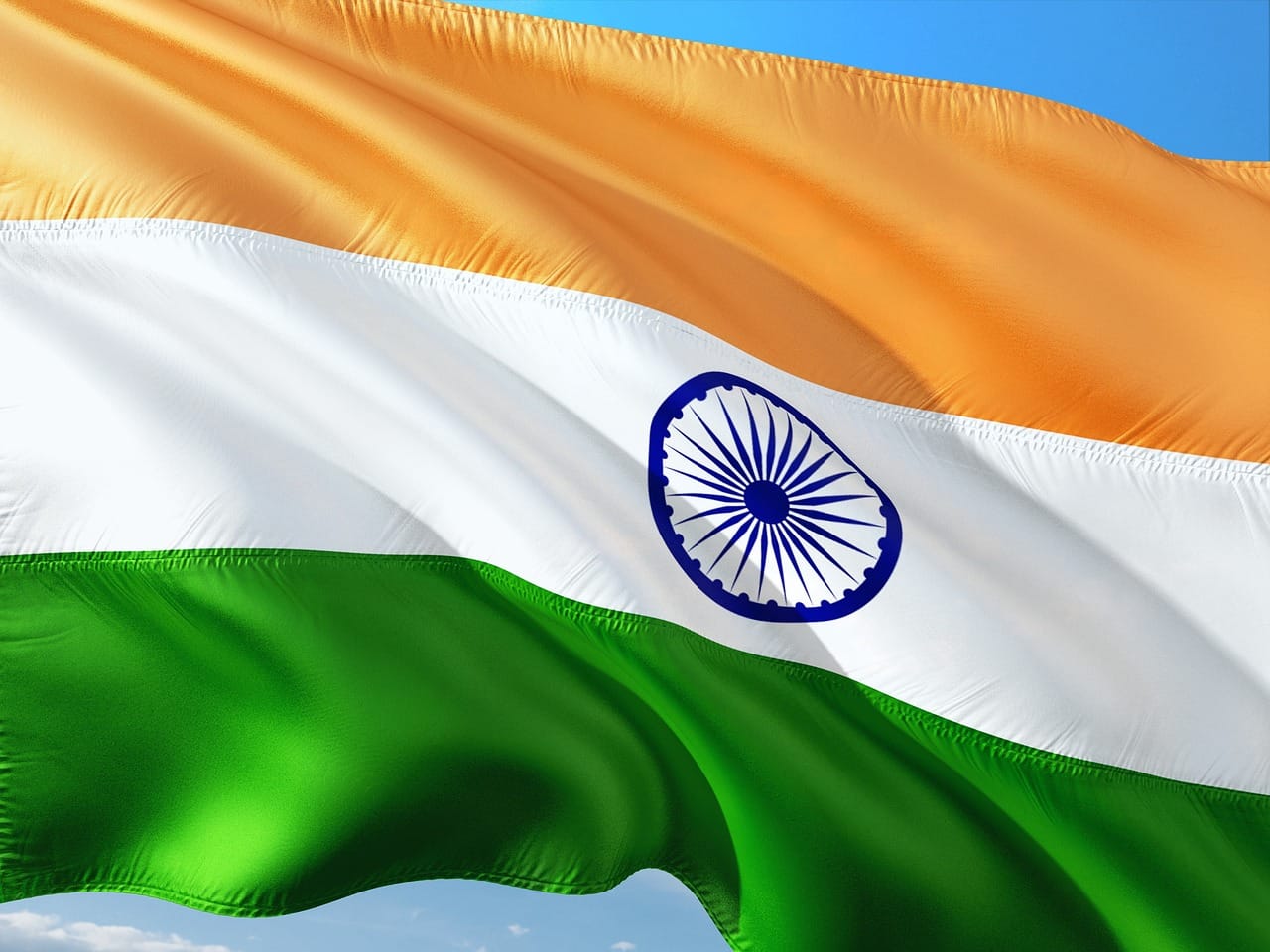
India – Popular by its festivals, food & culture
India is one of the most diverse and intriguing nations in the world. It is a nation where old civilizations, a strong spirit, and a fabulous culture coexist with new-age cities, technological advancements, and an ever-growing presence in the international arena. When one speaks about India, one speaks about its colors, its festivals, its cuisine, and its warm-hearted people. But India is much more than what one sees about it. It is a land formed by an array of historical times, geographical features, and an astonishing blend of languages, faiths, and ways of life. Thus, experiencing India is much like experiencing a host of nations simultaneously because every region has a different look, a different custom, and a different tale to tell.
Through this detailed article, we will take a gradual and smooth journey through India. We will view its geography, culture, and history. There is a lot more concerning tourism sites and other areas around these sites where you can have unlimited adventures. As we transition from one concept to another one, we will use straightforward words and sentences so that it is easy to grasp the details. Through this, you will be able to take a journey through India with pleasure and imagination because you will be comfortable and happy.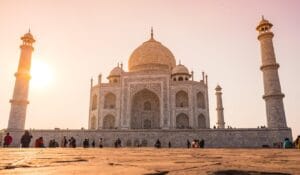
India is a South Asian nation and is the seventh largest geographical entity worldwide. It is the second most populated nation globally too. Its boundaries border Pakistan in the northwest, Nepal and China in the north, Bhutan in the northeast corner, and Bangladesh and Myanmar in the east. With regard to its southern boundaries, the Indian Ocean stretches majestically and expansively. This is why India has always remained an important hub for trade, culture, and migration routes for so many years.India is a culturally rich nation due to the presence of a wide array of significant religious beliefs, including Hinduism, Islam, Christianity, Sikhism, Buddhism, and Jainism. All these religions have a significant impact on the music, rituals, art, and philosophies of life that make life full of meanings and colors. This makes India a land of temples, mosques, churches, and monasteries. India has a wide array of festive occasions including Diwali, Holi, Eid, Christmas, Navratri, Baisakhi, and Pongal. Due to the cultural diversity, India always appears full of life and energy.
Geography of India
India is a geographically very diverse region. To know India in a deep manner, one can categorize the geography of India into various main regions.
The Himalayan Region
The Himalayan range stands tall in the north, creating a strong natural barrier. The Himalayan ranges hold some of the highest peaks in the world and some justly renowned peaks include Kanchenjunga, Nanda Devi, and Kamet. The ranges shield the region against cold currents and simultaneously generate rivers that support the existence of numerous people. Additionally, the regions within the Himalayan ranges hold some precious valleys, dense forests, and serene hill stations such as Shimla, Manali, Nainital, and Darjeeling.
The Northern Plains
The Indo-Gangetic Plains begin below the Himalayan Mountain ranges. This region is very fertile because it is fed by the Ganges, Yamasuna, Brahmaputra Rivers, and other smaller rivers. Many big cities, including Delhi, Lucknow, Patna, and Kolkata, are situated here. Because of the presence of fertile land, a huge population can be found in this region, and agriculture is an important means of livelihood here. Cereals like wheat, rice, sugarcane, and veggies abound here.
The Thar Desert
Moving to the northwest area, one would come across the desert of Rajasthan, commonly known as the ‘Thar’ Desert. This is a sandy area with a predominantly hot climate and a landscape dominated by golden sandy dunes. However, it is teeming with life too. There is a lot of cultural excitement here with typical villages, camels, folk dances, and colorful costumes.
The Deccan Plateau
The Deccan Plateau is a vast region in Central and South India. This area boasts dense forests, lowlands, and mountain ranges such as the Western Ghats and Eastern Ghats. It is well known for its mineral deposits, flora, fauna, and agriculture. It is home to some significant cities like Hyderabad, Bengaluru, and Pune.
The Western and Eastern Ghats
These ranges run along the coasts of India in the east and the west. The Western Ghats have dense forests, waterfalls, and some of the rare species of animals. These ranges were given the status of a UNESCO World Heritage Site. The Eastern Ghats have a significantly lower density, but they have a variety of hills and tribes residing there.
The Coastal Plains
India has long coastlines on both sides. The coastline on the Arabian Sea is in the West and includes the states of Goa, Mumbai, and Kerala. The other coastline is on the Bay of Bengal and includes the states of Tamil Nadu, Andhra Pradesh, and Odisha.
The Islands
The Islands
India’s two main islandchains include Andaman and Nicobar Islands in the Bay of Bengal, and Lakshadweep in the Arabian Sea. Both are well-reputed for the clear blue waters, coral reefs, and calm beaches they hold. Due to this immense variation in topography, India has something to offer every traveler with regard to landscape.
History of India
India has one of the oldest histories in the world. It dates back over 5,000 years.
Ancient India
It starts with the Indus Valley Civilization, one of the oldest urban civilizations in the international world. There were sophisticated drainage systems, organized roads, and skilled artisans in cities such as Harappa and Mohenjo-Daro. Later came the Vedic Period, with the first Hindu culture, literary works, and society.
Classical India
Powerful empires, including the Maurya Empire and Gupta Empire, ruled much of the region during these periods. The Mauryan Emperor Ashoka introduced Buddhism throughout Asia, and the period of Gupta rule is commonly known as the ‘Golden Age of India’ due to advances in mathematics, astronomy, art, and literature.
Medieval India
This period witnessed a rise and fall of some kingdoms. Delhi Sultanate brought Persian culture and architecture to India. Subsequently, the Mughal Empire built large architectural structures like Taj Mahal, Red Fort, and Fatehpur Sikri. Through Mughal rule, India’s cuisine, language, and art were impacted.
Colonial India
During the 1600s, the British came to India. Gradually, they captured control and made India a colony. This period introduced railways, English education, and administrative reforms, but with exploitation of India’s economy. Indian Freedom Fighters who advocated for independence included Mahatma Gandhi, Jawaharlal Nehru, Bhagat Singh, and Subhas Chandra Bose.
Modern India
India attained its long-awaited independence in 1947. Since then, India has emerged as one of the leading powers in the fields of technology, medicine, agriculture, and space research. Today, contemporary India is a blend of old and new civilization.
Tourism Sites in India
There are innumerable sites of interest for tourism in India. Some of the most common ones in India have been explained below.
Taj Mahal
The Taj Mahal is one of the most renowned buildings in the entire world. It is an monument erected by the Mughal Emperor Shah Jahan in the memories of his wife, Mumtaz Mahal. This marvel is constructed with snow-white marble, which varies in colours according to the lighting of the sun. The Taj Mahal radiates a calm, romantic, and immortal atmosphere. Jaipur Jaipur is a “Pink City” with numerous forts and palaces, colorful bazaars, and numerous historical sites like the Hawa Mahal, the Amer Fort, the City Palace, and the Jantar Mantar. It symbolizes ‘royal’ culture in every nook and corner of the city itself.
Varan
Varanasi is one of the oldest cities in the world and is significant for religious purposes. This is because the Ganges River is lighted with lamps during the evening prayers performed here by devotees.
Kerala Backwaters
The backwaters in Kerala include rivers and lagoons with calm water, where houseboats move slowly. The sight of coconut trees, small villages, and green fields is what makes this area a peaceful one.
Goa Beaches
Goa provides golden beaches, water activities, cuisines, and night life. The beaches can be party beaches and some can be peace-filling beaches.
Himalayan hill station
The Shimla, Manali, Mussoorie, and Darjeeling are hill stations with cold climates, mountains, and natural surroundings This provides a peaceful and fresh atmosphere due to the presence of the Himalayas.
Mumbai and Delhi
Such new-age cities come with Skyscrapers, Markets, Museums, and Cultural Hubs. Such examples illustrate India’s new lifestyle blend with its history.
South Indian Temples
Such temples as Meenakshi Temple in Madurai, Brihadeeswarar Temple in Thanjavur, and temples of Hampi exhibit wonderful carvings and architecture out of due to India’s enormous size, one can never finish listing the tourist destinations.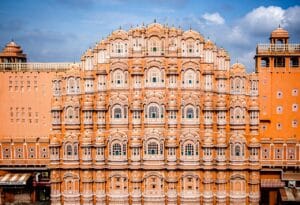
Surrounding Places of India
India is a very large nation because it is situated in South Asia, and it is bordered by some significant nations, bodies of water, and regions that form a culturally rich and geographically varied neighborhood for India. When we look into the surroundings of India, we can identify a variety of mountains, deserts, oceans, and colorful nations with whom India shares history, business, and culture. India’s surroundings increase the value of India’s identity and make this region one of the most dramatic regions in the planet earth. Here is a detailed explanation of each region mentioned above, written in simple sentences.
Pakistan – A Neighbor with Deep Historical Links
Pakistan is the neighboring country located northwest of India, and both nations have a long history and a common border. India and Pakistan were one landmass prior to being parted in 1947, so both nations’ habits, languages, and cuisine will bear a striking similarity for us when we peer into Pakistan. As we look into Pakistan, we notice the teeming cities of Lahore, Islamabad, and Karachi. Lahore is particularly famous for its old Mughal buildings, street food, and cuisine, which is a wonderful replication of North Indian cuisine. The area around where the two countries meet is full of fields, farms, and small settlements, which appear very similar in both countries. The Wagah Border, which is located near the city of Amritsar, is a symbolic location where border protection ceremonies occur every day with a mixture of both tension and harmony displayed by both neighbors.
Nepal – A Land of Mountains and Spiritual Peace
To the north, India shares a border with Nepal, a peaceful country noted for the Himalayan Mountains, which include Mount Everest, the highest peak in the world. This surrounding country adds natural beauty to India’s northern region. Traveling from India into Nepal feels like moving from lively plains into quiet mountain valleys filled with monasteries, prayer flags, and deep forests. The largest cities in Nepal, including Kathmandu and Pokhara, are ranked high in the lists of places that appeal to travelers due to their temples, museums, and mountain adventure trails.
Bhutan – A Small Kingdom of Happiness
To the northeast, India borders Bhutan, a small Himalayan kingdom promoting happiness, natural protection, and peaceful living. Its landscapes are filled with misty mountains, dense forests, and bright Buddhist temples on hilltops. One of the most famous places is the Tiger’s Nest Monastery, clinging to a cliff and creating an unforgettable view. Bhutan surrounds India with a sense of calm and natural balance. The country works closely with India for trade, energy, and cultural cooperation. As we cross from the plains of India into the mountains of Bhutan, the scenery gets greener, cooler, and extremely peaceful, showing the beautiful contrast between the two neighbors.
Bangladesh – Rich Rivers and Green Plains
To the east, India is flanked by Bangladesh, a country of rivers, green fields, and pulsating life. Bangladesh shares very deep cultural roots with the Indian state of West Bengal since both speak Bangla and share a love for similar traditions in music, literature, and food. The Sundarbans, the world’s largest mangrove forest and home to the Royal Bengal Tiger, lies across both countries, creating one of the richest natural areas in the world. Dhaka, Bangladesh’s capital city, pulsates with vibrant, colorfully painted rickshaws, bustling marketplaces, and mosques steeped in history.
Myanmar – A Gateway to Southeast Asia
Farther southeast, India shares borders with Myanmar: a country of golden pagodas, gentle hills, and ancient traditions. This surrounding place serves as a passage or entrance from India toward Southeast Asia. The Indian states of Manipur, Nagaland, and Mizoram border Myanmar directly, thereby offering a route for cultural and trade exchange. The cities, including Yangon and Mandalay, are known for their Buddhist temples, buildings from colonial times, and quiet streets lined with traditional markets. As we move from India’s Northeast region into Myanmar, the scenery becomes a blend of tribal culture, forested mountains, and peaceful rivers that show the shared natural beauty between the two countries.
China – A Himalayan Neighbor
The northern and north-eastern part of China lies beyond the towering Himalayas. The Himalayas form a natural border in the way of snowy peaks and deep valleys, one of the most dramatic landscapes in the world. China is also an important surrounding country that influences the trade and culture of northern India. Places like Tibet share a border in the northernmost part of India and comprise old monasteries, deserts at very high elevations, and bright blue lakes.
Sri Lanka – An Island Neighbor in the South
Just off the coast of India, across the Indian Ocean, is Sri Lanka, an aesthetically pleasing island nation that boasts of clean beaches, tea gardens, and ancient temples. The distance separating India and Sri Lanka at one point is small enough that ancient legends claim they were once joined by a stone bridge called Ram Setu. The capital of Sri Lanka, Colombo, is a modern city with bustling markets, a long coastal road, and historical buildings. Other major cities include Kandy and Galle, famous for their colonial past and natural beauty. India and Sri Lanka enjoy strong cultural and religious ties with each other through Tamil communities and Buddhist traditions.
The Arabian Sea – A Western Maritime Neighbor
To the west, India borders the Arabian Sea, joining the country with the Middle East, Africa, and Europe. This sea has played a major role in India’s trade history for thousands of years. Ancient ships carried spices, fabrics, and precious stones from Indian ports to faraway lands. Even today, major ports like Mumbai, Kochi, and Mangalore open up India to world trade and cultural exchange. The surrounding sea adds beautiful beaches, fishing villages, and tropical islands to India’s western coastline.
The Bay of Bengal – Eastern Waters Full of Life
To the east, India borders the Bay of Bengal, a large body of water filled with islands, coral reefs, and marine life. This bay connects India with Southeast Asia and helps form the lush climate of the eastern Indian states. Cities on the bay, such as Kolkata and Chennai, host busy ports that continue to support trade and cultural movement across countries.
The Indian Ocean – The Great Southern Surrounding Sea
At the southernmost tip of the country, land meets the Indian Ocean, stretching way out into the distance. The ocean is one of the most critical bodies of water in the world, and enables India to grow its maritime trade as well as develop cultural links with Africa, Southeast Asia, and even Australia. An encircling ocean provides a warm climate, beautiful coastal areas, and opportunities for fishing and tourism.
Conclusion
India is a country that never seems to end with its beauty, culture, and history. Every region offers something new: every city tells a story, every festival brings joy, and every landscape-from mountains to beaches-brings calmness and wonder. The surrounding places of India create a colorful and rich neighborhood filled with different landscapes, cultures, and histories. Every country and every ocean around India adds something special to the region, be it mountains, beaches, religions, foods, or ancient traditions. By exploring India little by little, in detail, travelers realize it is not a destination; rather, it’s a vast world of experiences filled with tradition, warmth, and life.
Author

sadikhan.ceo@gmail.com
Related posts
Slovakia
- 0
- 2,323 words
Slovakia : Discover the Hidden Gem of Central Europe Tucked right in the heart of Central Europe, Slovakia is one of those...
Read out all
Singapore
- 0
- 2,246 words
Singapore : A Global City and Travel Hub Singapore’s one of those places where modern life and nature seem to fit together...
Seychelles
- 0
- 2,644 words
Seychelles : A Dream Destination in the Indian Ocean You hear about places as “dream destinations” all the time, but Seychelles totally...
Serbia
- 0
- 2,789 words
Serbia Travel Guide: Regions of the Balkan Nation Serbia sits right at the heart of the Balkans, and honestly, it’s one of...
Read out all
Senegal
- 0
- 2,277 words
Senegal Travel Guide: Discover the Culture, History, Tourism, and Surrounding Regions of West Africa Welcome to Senegal—a place that really captures the...
Read out all
Saudi Arabia
- 0
- 2,914 words
Saudi Arabia: A Powerful Nation in the Middle East and Global Importance of the Kingdom Saudi Arabia stands out as one of...
Read out all