

Visby – Island of Gotland in Sweden
Visby is one of the most beautiful medieval towns in Europe; it is situated on the island of Gotland, surrounded by the Baltic Sea. That is why many people call this city “The Pearl of the Baltic.” When travelers walk through Visby, they feel like they are stepping into a historical world where stone walls, narrow streets, medieval churches, and old houses create a powerful and unforgettable atmosphere. Visby is also a UNESCO World Heritage Site due to its well-preserved medieval ambiance. The city offers a peaceful setting, fresh sea air, soft landscapes, cultural sites, and modern comforts mixed with historical charm. Every nook seems to tell a story, and every stone tells a memory of its long, colorful past. The following long and detailed article presents the story of Visby, its natural setting, its tourism sites, and also the surrounding places that travelers should not miss. Each part is written with easy words, smooth transitions, and clear descriptions.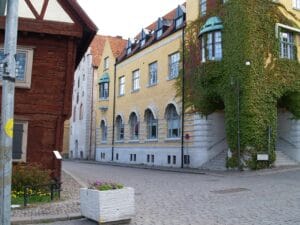
History of Visby
Visby has a very long and interesting history, beginning more than 1,000 years ago. During the Viking Age, it developed into an important trading center. Later, during the Middle Ages, it joined the Hanseatic League, a powerful trade organization made up of northern European cities. Because of this, Visby became wealthy, busy, and well-known.
Viking Roots
Gotland was during the Viking Age an important hub for trade. The Vikings crossed over the Baltic Sea, connecting Scandinavia with the Baltic regions, Russia, and even the Middle East. Visby was easy to reach by sea, thus an obvious meeting place for merchants.
Hanseatic League
In the 12th and 13th centuries, Visby grew rapidly. Merchants from Germany, Russia, and many other regions came here to buy and sell goods. The city joined the Hanseatic League, which helped Visby become one of the richest trading towns in the Baltic region. The period also saw the erection of many large stone warehouses and merchant homes, which still stand today to show how powerful and influential Visby was in the past.
Medieval Wall
Visby boasts a medieval city wall stretching for 3.4 kilometers. It is one of Europe’s best-preserved town walls, featuring about 44 towers, defensive gates, and strong stone sections. This wall protected the city from attacks and helped control the trade.
Modern Times
As time went by, Visby started to become quieter, yet it never lost any of its historical appeal. Nowadays, this spot is among Sweden’s most famous places to visit, especially during summer when the weather is warm and there are cultural festivals in the city.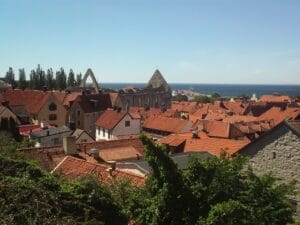
Geography and Atmosphere
Visby is located on the west coast of Gotland. The surrounding Baltic Sea gives the island a fresh climate with temperate temperatures. The city is built on gentle slopes that rise from the sea up toward the center.
Climate
The weather in Visby is usually warm during summer, with extended daylight hours. Winters are colder, but not extremely harsh. Due to the sea, the weather is usually calm and pleasant.
Architecture
Architecture is the main attraction in Visby. The old stone houses, the colorful wooden homes, and medieval ruins-all joined by narrow cobblestone streets-make the city ultra charming. Flowers grow on the walls, roses climb up houses, while small gardens add color and life.
Natural Beauty
Beyond the historic places, Visby is encircled by very picturesque landscapes: beaches, cliffs, forests, and quiet countryside areas. Here, travelers can cycle around, do some hiking, or simply stay by the sea.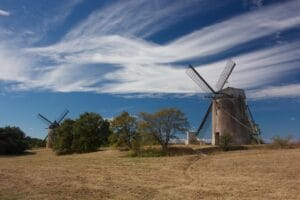
Tourism Sites in Visby
Visby is the medieval heart of Gotland, filled with so many beautiful and important tourism sights; each place narrates its story, and every corner reflects its rich history. A deep and descriptive explanation follows of the most important tourism spots in Visby.
Visby City Wall (Ringmuren)
Visby boasts plenty of beautiful and meaningful tourist sites that allow every guest to feel the deep history and natural charm of the island of Gotland. One of the most famous places in the city is Visby City Wall, also known as Ringmuren. This long and powerful medieval wall gently wraps around the whole old town like a protective stone circle. As visitors walk next to it, they see tall towers rising above them and old gates that stand like silent guardians from the 13th century. The wall gives a strong medieval feeling, while the views from the surrounding streets reveal colorful houses, narrow paths, and the peaceful blue sea farther away. Every piece of the wall reflects the life that has happened several hundred years ago, and it is something impossible to forget for every person who loves history and ancient architecture.
St. Mary’s Cathedral (Visby Domkyrka)
As they continue deeper into the old town, travelers will eventually find themselves at St. Mary’s Cathedral, otherwise known as Visby Domkyrka; it is the only completely intact medieval church in Visby. This cathedral stands with great dignity and calm beauty, showing a mixture of Romanesque and Gothic style. Inside, soft light from stained glass windows spills over stone pillars, old wood carvings, old paintings, and an interior inviting quiet contemplation. With every step inside the cathedral, visitors feel the connectedness to people who stood here generation after generation, including German merchants using it during the Hanseatic era. The cathedral breathes cultural and spiritual history in every corner and makes it one of the most meaningful places to be in Visby.
Gotland Museum (Fornsalen)
Yet another vital place for tourists to visit is the Gotland Museum, housing one of the richest historical collections in Sweden. On display in this museum are the treasures of the Vikings: jewelry, hoards of silver, weapons, and coins, alongside items from the Middle Ages that stand as testimony to the way people lived, traded, and worked. The exhibits explain the history of Gotland, from prehistoric times up to modern days, helping visitors understand how special and unique the island truly is. As travelers walk through the rooms in the museum, they observe rune stones with ancient symbols, razor-sharp Viking swords, bright-colored brooches, pottery, and many objects disclosing the daily life of people who lived on the island a very long time ago. The museum is informative yet exciting because it brings history to life with attractive displays and clear storytelling.
St. Nicolai Church Ruins
Visby is also renowned for its number of church ruins, one of the most impressive being St. Nicolai Church Ruins. These ruins rise upwards into the free sky like a huge stone skeleton. Visitors can stand inside the walls of the church and see directly up to the blue sky that once had a roof. The high stone arches, the broken windows, and carved shapes in the walls all make a dramatic scene that feels both powerful and serene at once. Many cultural events and concerts take place here because the natural acoustics make the sound echo so beautifully between the stone pillars. Travelers often spend time taking pictures from the ruins, walking slowly through the open space, and imagining monks praying here hundreds of years ago.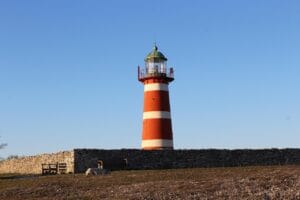
Saint Karin Church Ruins (Sankta Karin)
Another unforgettable ruin in Visby is the Church of Saint Karin, which stands in the heart of the old town near the main square. It is known for its huge arches and tall, narrow windows that create a fascinating feeling of height and openness. The sun shines through the empty spaces where glass once stood, and shadows dance softly on the stone floor. Once used by Franciscan monks, the Gothic style is still visible in the sharp shapes and tall structures. Due to its size and beauty, it is one of the most photographed places in Visby and offers a deep sense of medieval atmosphere.
Almedalen Park
Travelers fond of quiet green oases love visiting Almedalen Park, a charming area next to the sea, once Visby’s medieval harbor. Today, Almedalen is a soft, grassy park with tall trees, quiet paths, and a calm pond where ducks swim gently. There are benches with families, children playing on the grass, and the soft sea breeze stirring the trees. During summer, this park gets busier when Almedalen Week takes place, the most famous political festival in Sweden, where people come to hear speeches and discussions. Even during regular days, the park offers a refreshing break from walking through the old town; one can relax while enjoying nature and history simultaneously.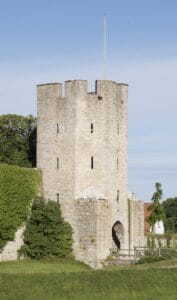
Botanical Garden (Botaniska Trädgården)
Another great place that is a real catch for many travelers is the Visby Botanical Garden. This garden is situated not far from the wall of the city and unites the plants of very different parts of the world. Roses creep over stone walls, while multi-colored flowers blossom throughout the season. Rare trees overshadow soft green paths. People walk slowly around the garden, breathe fresh air, and enjoy the quiet environment, which is so refined yet natural. The beauty of the garden is outstanding in summer when the flowers are bright, and a sea breeze moves the leaves gently. This garden is a good place to rest and appreciate the beauty of nature, as it contains plants, stone walls, and quiet shade in perfect harmony.
Visby Beach and Coastal Walk (Strandpromenaden)
Visby also presents tourists with a stunning seaside experience along the coastal walk, which is called Strandpromenaden. This long and beautiful walking path lies beside the Baltic Sea and affords clear views of water, cliffs, and sunsets. Generally, people walk or ride a bicycle here, enjoying the fresh air and sound of waves. In summer, the beach is a popular place for swimming, sunbathing, or just relaxing by the sea. The sunsets are especially magical, with soft colors diffusing across the sky and reflecting in the water. This calm walk on the coast allows tourists to feel closer to nature while remaining within proximity to the city.
Visby Medieval Festival (Medeltidsveckan)
It further livens up during the Visby Medieval Festival, called Medeltidsveckan, every August. During this week, Visby becomes a living medieval town. People dress up in the apparel worn by knights, kings, queens, farmers, and monks. The streets become filled with medieval markets where people sell handmade items, such as leather bags, wooden tools, jewelry, and traditional foods. Visitors watch the shows of sword fighting, medieval music, archery, and colorful parades. The atmosphere becomes joyful and full of energy; every corner of the city looks like a scene from the past. This festival is one of the highlights of Visby and attracts thousands of people from many countries.
Powder Tower (Kruttornet)
Another intriguing location is the Powder Tower, or Kruttornet, which is Visby’s oldest surviving building. It was built in the 12th century to protect this harbor. Today, it stands proudly at the northern part of the wall, offering travelers a deep look into early defensive architecture. The thick stone walls, narrow openings, and strong foundation are evidence of the significance of the harbor during medieval times. Many visitors enjoy standing near the tower to marvel at its enormity and place themselves in how guards once protected the city from enemies.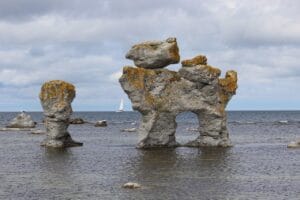
Burmeisterska Huset
Not far from the ruins and the wall, one can also find in Visby Burmeisterska Huset, one of the best-preserved merchant houses. The house is beautifully decorated with wooden interiors, painted ceilings, and old furniture, which stands as a highlight of the wealth of Hanseatic merchants that lived in the 17th century. Walking inside feels like entering the home of a successful trade family, where travelers can understand how merchants lived and worked.
Visby Town Square (Stora Torget)
Stora Torget, or the Visby Town Square, is a lively gathering place where people come to enjoy food, music, and local culture. A number of cafés and restaurants are lined up around the square, filling the air with freshly prepared food aromas and warm pastries. People sit at outdoor tables, observing the movement of the city while having their meal or drink. The square is the social heart of Visby and enables visitors to feel the friendly and welcoming spirit of this town.
All these places of tourist interest put together make Visby a magical destination blending history, culture, nature, and architecture very nicely. Each site offers a new perspective and helps the traveler understand why Visby is considered one of the most enchanting medieval towns in Europe.
Surrounding Places of Visby
Visby is the main attraction on Gotland, but the island has many beautiful surrounding places worth visiting. Below is a detailed explanation of these areas.
Tofta Beach
Tofta is among the most popular beaches from Visby; it has soft sand, crystal clear water, and a long coastline, suitable for sunbathing, swimming, and beach sports. Many families visit Tofta during summer since it’s safe and peaceful. There are also small cafes and restaurants around.
Klintehamn
Klintehamn is a charming coastal town southwest of Visby. It is quiet, with beautiful sea views, fishing boats, and small shops. Travelers come here for seafood, walking along the harbor, and taking boat trips to nearby islands.
Stora Karlsö
From Klintehamn, one can take a boat to Stora Karlsö, a nature paradise with cliffs, rare birds, flowers, and dramatic seas. This island is one of the oldest nature reserves in the world. It is perfect for hiking, taking photos, birdwatching, and enjoying untouched nature.
Lilla Karlsö
Lilla Karlsö is another island near Gotland. It is smaller but equally beautiful with its limestone cliffs, green fields, and rich wildlife-a haven of peace from the hustle and bustle of life.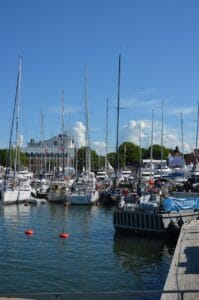
Roma Abbey (Roma Kloster)
One of the main cultural points of interest is Roma Abbey, which is located southeast of Visby. It was founded in the 12th century by Cistercian monks. The remains of the church, cloister, and monastery buildings create a mystical atmosphere. Moreover, the area often hosts cultural events, theater shows, and summer activities.
Lummelunda Cave
Lummelunda Cave is one of Sweden’s largest caves and is located north of Visby. It contains long tunnels, underground lakes, stalactites, and interesting rock formations. There are guided routes through the cave that allow visitors to observe how the cave was formed over thousands of years.
Fårö Island
Fårö is a small island northeast of Gotland. It is famed for its rauks-large limestone rock formations shaped by wind and waves. The landscapes here almost seem from another world. Filmmaker Ingmar Bergman lived on Fårö, and travelers can visit areas that inspired his films.
Slite
Slite is a town on the east side of Gotland, beaches, cycling routes, and limestone quarries. The sea views are wide, open, and calming. 4.9 Hemse Hemse is an inland village with traditional wooden houses, markets, and local shops. It offers a quiet look at local Gotland life. 4.10 Högklint Högklint is one of the most dramatic cliffs on Gotland. It rises high above the sea and offers some of the best views on the island: Visby, the coastline, and the open Baltic Sea. Sunsets at Högklint are unforgettable.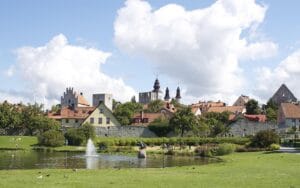
Conclusion
Visby is a place of magic with its deep history, charming streets, powerful medieval architecture, and peaceful natural surroundings. It gives travelers a unique mix of culture, beauty, atmosphere, and relaxation. From medieval walls to quiet gardens, from church ruins to scenic beaches, Visby remains a place where the past meets the present in a beautiful way. Further adding to the reasons for visiting Gotland are its surroundings: beaches, islands, caves, cliffs, and peaceful countryside towns. Each area unfolds new experiences, fresh scenery, and natural wonders. Visby is not only a destination; it’s a journey to history, nature, and peace. It embraces every guest with open arms and allows them to never forget the time spent there.
Author

sadikhan.ceo@gmail.com
Related posts
Doha Travel Guide
- 0
- 2,147 words
Doha Travel Guide – A Modern Arabian City with Culture and Luxury Doha is quickly becoming one of the hottest places to visit...
Read out all
Lisbon Travel Guide
- 0
- 2,266 words
Lisbon Travel Guide – A Beautiful Coastal Capital with Culture and Value Lisbon pops up on pretty much every list of Europe’s...
Read out all
Prague Travel Guide
- 0
- 2,455 words
Prague Travel Guide – A Magical European Destination Full of History and Charm If you’re dreaming of a city that looks and...
Read out all
Berlin Travel
- 0
- 2,097 words
Berlin Travel Guide – A City of History, Culture, and Modern Energy Berlin isn’t your typical European capital—it buzzes with history and...
Read out all
Amsterdam Travel Guide
- 0
- 2,602 words
Amsterdam Travel Guide – A City of Canals, Culture, and Timeless Beauty Honestly, Amsterdam is one of those cities that just grabs...
Read out all
Barcelona, Spain
- 0
- 2,340 words
Barcelona, Spain Travel Guide – A Vibrant Mediterranean City Barcelona feels alive, no matter what time of year you show up. The...
Read out all