
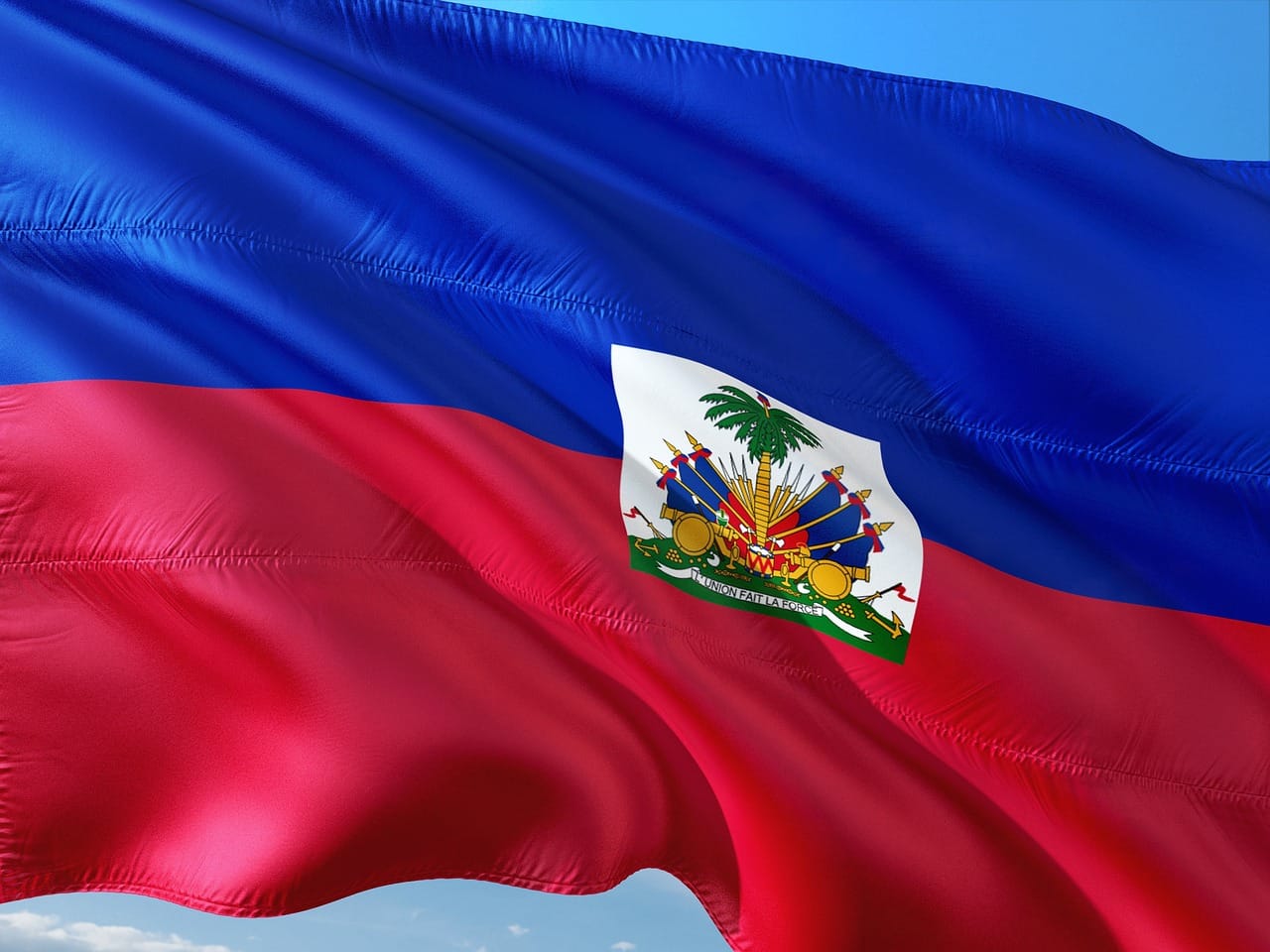
Haiti – The island of Hispaniola in the Caribbean Sea
Haiti is a land full of history, culture, courage, and natural beauty. It sits on the western side of the island of Hispaniola in the Caribbean Sea. When people hear about Haiti, they sometimes think only about earthquakes, storms, or political struggles. However, Haiti is much more than that. It is a country with deep roots, strong traditions, colorful art, golden beaches, and friendly communities. The different layers which make this nation unique can be seen as we explore Haiti in detail. And as we continue, we will be discovering how rich stories are offered by the landscape, cities, mountains, beaches, and surroundings. To get a proper understanding of Haiti, one needs to review its past, its people, its culture, its food, its tourist destinations, and even the regions that surround it. Each piece is a contribution to the whole. And so, in this elaborate article, we will take a step-by-step approach to learning about all that forms Haiti.
Geography of Haiti
Haiti comprises one-third of the island called Hispaniola. On the eastern side of the island is the Dominican Republic. Haiti faces the Caribbean Sea to the south and the Atlantic Ocean to the north. The country is mainly mountainous. In fact, the name “Haiti” came from an indigenous Taíno word meaning “land of high mountains.” Mountains sweep through the country, creating beautiful views. However, the mountains also make transportation difficult. Many small villages sit in the hills, far from main roads. The southern coast boasts beautiful beaches, coral reefs, and small islands. The northern coast has bays and ports that once played an integral role in trade. The climate is warm, tropical: it contains a rainy season and a dry season. Because Haiti lies in the Caribbean, it faces hurricanes during certain months. These storms often cause damage, but people rebuild again and again, showing strong spirit.
A Deep Look at Haitian History
Haiti’s history is powerful and dramatic, telling of a story of indigenous people, colonization, slavery, rebellion, independence, and many social and political struggles.
Early Indigenous Period
Before the arrival of Europeans, the island was inhabited by the Taíno. They had structured villages, agricultural systems, fishing practices, and their own beliefs. Unfortunately, due to hard labor, disease, and violence, most of the Taíno disappeared shortly after colonization.
European Arrival
Christopher Columbus came to the island in 1492. First, it was ruled by Spain, then France took over the western part, which, later, was called Haiti. French rulers developed plantations that produced sugar, coffee, and cotton under very harsh conditions supported by enslaved Africans.
Haitian Revolution
Haiti is known for one of the most pivotal revolutions in all of human history. In 1791, enslaved people revolted. At the helm were leaders such as Toussaint Louverture, Jean-Jacques Dessalines, and Henri Christophe. Following many battles, Haiti gained its independence in 1804, becoming the first Black republic in the world and the first country in history to completely abolish slavery.
Post-Independence Struggles
After gaining independence, Haiti suffered from blockades, financial pressure, and foreign interference. France demanded an enormous “independence debt,” which Haiti paid for generations. Political instability appeared many times. Yet, even with hardships, Haitian culture continued to grow and shine.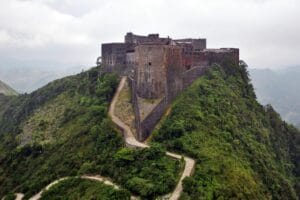
Haitian Culture – Colorful, Musical, and Strong
Culture is one of Haiti’s biggest treasures. It is colorful, rhythmic, and full of creativity.
Languages
There are two official languages in Haiti: Haitian Creole (Kreyòl Ayisyen) – spoken by almost everyone, French – used in schools, government, and some formal settings. Creole is central to Haitian identity. It is a mixture of African languages, French, and other influences.
Music and Dance
Music is everywhere in Haiti. The main styles include:
- Kompa – smooth, rhythmic dancing music; Rara – festive, street music with drums and horns;
- troubadour songs: soft, romantic melodies; Vodou ceremonial music-powerful traditions of drumming. Dancing is a part of daily life. It includes street parades, festivals, and celebrations.
Art and Craft
Haitian art is famous around the world. Artists paint bright pictures of markets, landscapes, people, and spiritual scenes. Metalwork originating from the town of Croix-des-Bouquets is very popular. Wood carving, beading, and handmade crafts are also important.
Religion
In Haiti, there is a combination of religious traditions. Most people are either Catholic or Protestant in relation to Christianity, while Vodou is also part of Haitian culture. Many people do not understand Vodou because it is a deep-rooted spiritual system with rituals, drumming, dancing, and symbolic expression.
Cities and Regions of Haiti
Now, let us explore Haiti’s main cities and regions in detail.
Port-au-Prince
Port-au-Prince is the capital. It is busy, crowded, and full of energy. Many government offices, markets, shops, and cultural sites are here. Although the city has faced the damage of earthquakes, it continues to grow. Important areas include:
- Champ de Mars – a historic public square; Iron Market – a colorful marketplace; National Palace site – symbolic location; Art galleries-full of cultural expression.
Cap-Haïten
Cap-Haïtien is located in the north and is known for beautiful colonial buildings with calm streets. It was once called “Paris of the Caribbean.” Not far from here, major historical sites draw visitors.
Jacmel
Jacmel is seated in the south. It is famous for arts, festivals, and beaches. Jacmel’s carnival is very well known for its colorful masks and costumes.
Les Cayes
This southern city is close to beaches, farms, and small islands. It serves as the gateway to the island of Île-à-Vache.
Gonaïves
It carries great historical importance as the declaration of Haiti’s independence was made here in 1804.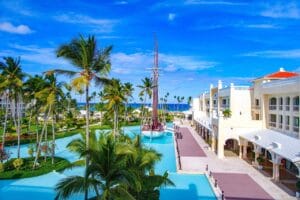
Tourism Sites in Haiti
Haiti is a country that contains many beautiful and meaningful tourism sites. Some of the places reveal the country’s rich history, while others showcase natural beauty, such as waterfalls, beaches, and mountains. Even though Haiti is often faced with challenges, its tourism sites remain strong, powerful, and full of stories. The following is a detailed guide through the most important and the most attractive tourism spots in Haiti.
Citadelle Laferrière (The Haitian Citadel)
Citadelle Laferrière is the most famous, as well as highly iconic, monument in Haiti. It crowns a mountain overlooking the small town of Milot, positioned in northern Haiti. Constructed after Haiti’s independence in 1804, this fortress was meant to defend Haiti against possible invasions by European powers.
Why It Is Special
- It is among the biggest stone fortresses in the Americas. Panoramic views of mountains, forests, and the sea can be seen from here. It represents Haitian freedom, strength, and engineering skill.
Visitor Experience
You can either walk up a steep stone path to get to the Citadelle or ride up on horseback. The journey is memorable because of the freshness of the mountain air and the outstanding scenery. At the top, the walls are massive, and some old cannons remain in place. Inside the fortress, one finds large courtyards, store rooms, underground chambers, and lookout points. Every nook speaks of history. Many tourists describe the Citadelle as “majestic” and “unforgettable.”
Sans-Souci Palace
Not far from the Citadelle is another significant landmark, which is the Sans-Souci Palace. It was once the royal residence of King Henri Christophe, one of Haiti’s revolutionary leaders and early rulers.
Why It Is Special
- It is the most important royal residence in Haiti. It looks like the great European palaces of the 1800s. It symbolizes pride in Haitians after independence.
Visitor Experience
Although the palace is now in ruins due to an 1842 earthquake, the remaining arches, columns, and staircases show how magnificent the building once was. Walking through the palace grounds allows visitors to imagine royal ceremonies, soldiers, and the early days of Haiti as a free nation. Sans-Souci and the Citadelle were collectively designated a UNESCO World Heritage Site.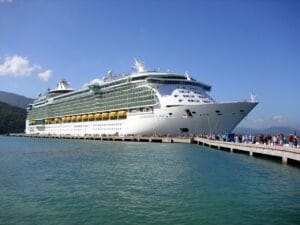
Labadee Beach Resort
Labadee is situated on Haiti’s northern coast. It is a private resort area leased by one of the major cruise companies. For this reason, it is clean, well-maintained, and very safe for tourists.
Why It Is Special
- Crystal-clear blue water, Soft sandy beaches, Fun water activities, Mountain scenery abounds along the coast.
Labadee Activities
- Swimming, Sunbathing, Snorkeling, Jet skiing, Kayaking, Beach barbecues. Zip-lining over the water-one of the longest water-facing zip lines in the world. Labadee is one of Haiti’s most visited tourism sites, as thousands of cruise passengers come every year.
Bassin Bleu (Jacmel)
Bassin Bleu is considered one of the most beautiful natural sites in Haiti. It is located near the artistic city of Jacmel. The site contains a series of deep, turquoise-blue pools surrounded by rocks, tropical plants, and small waterfalls.
Why It Is Special
- Bright blue water that looks quite magical. Tranquil and serene surroundings. Great place for nature photography. Perfect for swimming in cool water.
Experience for Visitors
To get to Bassin Bleu, a trail takes visitors through a lush, green forest. A local guide usually leads the group. On the path, you hear running water, birds, and wind through the trees. On arrival, the water is an amazingly deep blue, and sunlight reflects off the rock faces. Visitors can jump into the water, relax by the rocks, or just enjoy the natural beauty around them. Bassin Bleu is considered one of the most peaceful places in Haiti.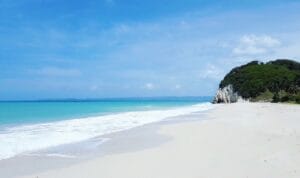
Île-à-Vache (Island of the Cow)
Île-à-Vache is a small island off the southern city of Les Cayes. The island is calm, quiet, and full of natural charm. It stands far from the noise of the cities.
Why It Is Special
- White-sand beaches, Tall palm trees, Clear blue water, Friendly fishing villages. It has a few small resorts but remains largely untouched, which is just right for travelers looking for relaxation, quiet beaches, and a touch of local culture.
Activities on Île-à-Vache
- Boat rides, Snorkeling, Angling, Exploring small villages, Sunset time on the seashore. Many visitors describe Île-à-Vache as a sort of “hidden paradise”.
Saut-Mathurine Waterfall
Saut-Mathurine is Haiti’s largest waterfall, and it is found in the south of the country, not too far from Les Cayes.
Why It Is Special
- Large and powerful waterfall, Cool, fresh air, Nestled amidst emerald hills and forests, A great place for picnics and family outings.
Visitor Experience
The sound from the waterfall is loud and powerful. Water splashes off the rocks, creating mist in the air. Visitors may swim in the shallow places and enjoy the fresh atmosphere. It is a wonderful place for photography because of its natural beauty.
Surrounding Places in Detail
Haiti is situated on the western part of the Caribbean island of Hispaniola, which it shares with the Dominican Republic. Therefore, its surroundings include border regions, neighboring towns, nearby islands, and coastal areas that influence travel, economy, and culture. When people visit Haiti, they often explore these nearby places to understand the full beauty of the region. Below is a complete, detailed description of these surrounding places.
Dominican Republic (Eastern Neighbor)
The Dominican Republic is the most important surrounding place in regard to Haiti because they share the same island. Its border stretches for about 380 km and connects many towns and villages. Though both countries have different cultures and languages, they are deeply linked through trade, family connections, and tourism.
Dajabón (Border Town)
Dajabón is the major border town opposite Ouanaminthe, Haiti. It is famous for the binational market where Haitians and Dominicans meet every week to purchase and sell goods. Many traders travel from northern Haiti to buy rice, vegetables, clothes, and household items. Market days are very lively in town, and you can see strong cultural exchange. It is also a gateway to Santo Domingo and the northern Dominican coast.
Elias Piña
This is another Dominican frontier town, lying opposite Belladère in Haiti. It is quieter compared to Dajabón, but it nonetheless supports cross-border movement. Travelers use this crossing to access the central Dominican regions. The landscape is mountainous and green around. Many Haitian farmers nearby trade produce here.
Jimaní
Jimaní is an important crossing point identified with the Haitian town of Malpasse. Its proximity to Lake Azuei and Lake Enriquillo contributes to the outstanding natural scenery of the region. It is one of the most used routes for travel between Port-au-Prince and Santo Domingo. The climate is hot and dry, but lakes add beauty and wildlife to the area.
Pedernales
It borders the Anse-à-Pitres region of Haiti and is a quiet coastal town with great beaches. Travelers appreciate the quiet environment here. This is a fantastic area for fishing, birdwatching, and general seaside relaxation.
Nearby Islands Around Haiti
Haiti is surrounded by various small islands, adding extra charm to the geography of the country. These islands are abundant in wildlife, beaches, and history.
Île de la Tortue (Tortuga Island)
Tortuga Island is in the northwest region of Haiti, surrounded by clear waters and rocky formations. It was once famous for Caribbean pirates. Today, it is known for peaceful beaches, local fishing villages, and stunning viewpoints. Boats from Port-de-Paix come here frequently.
Île-à-Vache
This island is situated near Les Cayes in southern Haiti, and it is one of the most beautiful surrounding places. Visitors enjoy long sandy beaches and calm blue water. Local life is slow, simple, and traditional. It is ideal for quiet holidays and nature walks.
La Gonâve Island
La Gonâve is situated in the Gulf of Gonâve, near Port-au-Prince. It boasts rugged mountains, several fishing villages, and unspoiled nature. It offers great opportunities for hiking and experiencing rural Haitian culture. You can reach it by boat from the capital.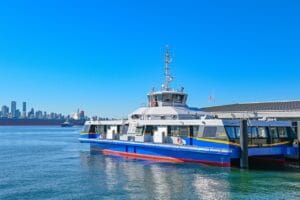
Coastal Areas Surrounding Haiti
Haiti is surrounded by the beautiful Caribbean Sea, and many of its coastal towns create attractive travel spots.
Monte Cristi, Dominican Republic
Monte Cristi lies east of Haiti’s northern border. It offers dramatic limestone mountains. The coastline is quiet and ideal for photography. Travelers from Haiti visit to take in the clean beaches and seafood.
Barahona Region
This region lies next to southern Haiti. It has rivers, forests, and coastal cliffs. Eco-tourism attracts many visitors to Barahona. It is known for its blue waters and green mountains.
Natural Areas Near the Haitian Border
Haiti is surrounded by several nature reserves and protected areas stretching across the border.
Massif de la Selle (Shared Mountain Range)
This mountain range runs from Haiti into the Dominican Republic. It includes Haiti’s highest peak, Pic la Selle. The forests are habitats for rare birds. The area is excellent for hikes and nature investigations.
Lake Azuei (Haiti) and Lake Enriquillo (DR)
These lakes are located near each other on both sides of the border. Lake Azuei is Haiti’s largest lake. Lake Enriquillo is a saltwater lake that is home to crocodiles. The surrounding region is warm, dry, and teeming with unusual plants.
Haitian Food – Flavors Filled with Tradition
The food in Haiti is rich, colorful, and full of spices. Many meals involve rice, beans, plantains, meat, and fresh vegetables. Famous dishes include:
- Griot – fried pork with spices; Tassot – dried and fried meat; Rice and beans-beans and rice, a classic combination
- Soup Joumou: a pumpkin soup eaten on Independence, Fried plantains, Fresh fish and seafood. Meals are often shared with family and cooking traditions passed on through the generations.
Economy and Work Life
Haiti’s economy is in bad shape. People engage in farming, running small shops, or working in the marketplaces. The country imports more than it exports. Some opportunities are found in tourism, agriculture, and light manufacturing. Many families depend on support sent from relatives that live overseas.
Challenges Facing Haiti
To understand Haiti completely, we must recognize the issues it faces: Political instability, Natural disasters, Poverty, Limited infrastructure, Uneven access to education and healthcare.
Even with these challenges, Haiti remains strong. Communities work together. People help one another. Art, culture, and identity stay alive.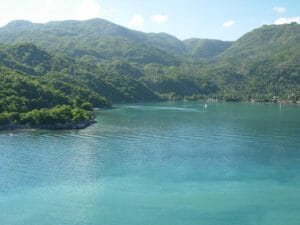
Conclusion
Haiti is a country of mountains, beaches, history, culture, art, and courage. It is a place of profound traditions and close-knit communities. Adding even more richness to it are the waterfalls in its surroundings, islands, villages, and historic landmarks. And its tourist sites prove to the world that there is beauty worth discovering in Haiti. Haiti has a wide range of tourism sites, including beaches, waterfalls, historical monuments, mountain trails, museums, caves, and artistic cities. Each site tells a different part of Haiti’s story. Together, they show the beauty, strength, and cultural richness of the country.
Author

Related posts
OPEC
- 0
- 5,679 words
OPEC OPEC stands for the Organization of the Petroleum Exporting Countries. It is an intergovernmental organization created by major oil-producing countries to...
Read out all
How Do I Find Reliable Wholesale Suppliers
- 0
- 9,103 words
How Do I Find Reliable Wholesale Suppliers ? Finding reliable wholesale suppliers is one of the most important tasks for anyone starting...
Read out all
What Is Happening in the World?
- 0
- 5,355 words
What Is Happening in the World? The world is currently experiencing a period of overlapping crises and opportunities. Political disputes, military conflicts,...
Read out all
BRICS
- 0
- 5,794 words
BRICS : History, Members, Economy, Goals, Expansion and Global Influence BRICS is an international grouping of major emerging economies and developing countries...
Read out all
United Kingdom
- 0
- 5,089 words
United Kingdom The United Kingdom, commonly known as the UK, is one of Europe’s most fascinating travel destinations. Officially called the United...
Read out all
Bhutan
- 0
- 4,154 words
Bhutan Travel Guide Bhutan is one of the most fascinating travel destinations in Asia, offering an extraordinary combination of Himalayan landscapes, Buddhist...
Read out all