
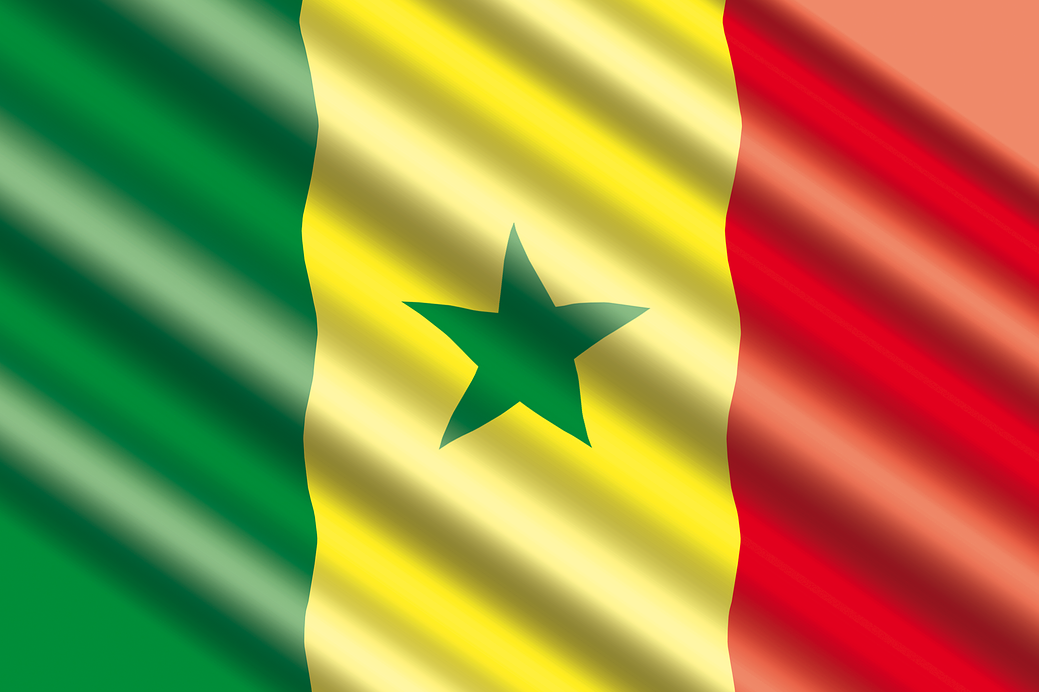
Senegal Travel Guide: Discover the Culture, History, Tourism, and Surrounding Regions of West Africa
Welcome to Senegal—a place that really captures the heart of West Africa. Perched right on the Atlantic coast, Senegal stands out for its warmth, diversity, and deep roots in history. People here are famously welcoming, and thanks to a steady political climate, Senegal keeps drawing travelers, artists, and visitors from all over. They call it the “Gateway to Africa,” and honestly, it fits. Its spot at Africa’s westernmost tip made it a crossroads for centuries. Ships and traders from Europe and the Americas would stop here, mixing their stories, traditions, and goods. That blend of cultures is still alive and kicking in Senegal’s cities and villages. But it’s not just about the past. Senegal is beautiful. Picture long stretches of golden beaches, wild nature reserves, sweeping deserts, and lively cities. 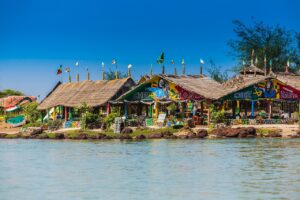 You can go from bustling markets in Dakar to peaceful riversides without missing a beat. It’s a place where modern life and old traditions bump up against each other—in the best way. And let’s talk about music and art. Senegal pulses with rhythm. From colorful festivals to street musicians, you feel the energy everywhere. People fly in from around the world just for the music scene. No wonder tourism keeps growing—everyone wants to experience something genuine.
Geography of Senegal: Landscapes, Rivers, and Coastal Beauty
Senegal sits in a pretty unique spot, hugging the Atlantic at the very edge of Africa. This spot shaped everything from its history to its global connections. Dakar, the capital, sits out on a peninsula, almost like it’s reaching into the ocean. With its natural harbor, Dakar grew into a powerhouse—a place where government, business, and culture all come together. Travel around Senegal, and you’ll see the land shift. The coasts stretch out with sandy beaches and fishing towns. Head inland, and you’ll find rolling plains, farmers’ fields, and wide-open savannahs. The Senegal River slices through the north, watering fields and carrying boats from one community to another. All these landscapes mean Senegal’s bursting with different habitats—wildlife, birds, and ecosystems you don’t see anywhere else.
History of Senegal: From Ancient Kingdoms to Modern Independence
Early Civilizations and African Kingdoms in Senegal
Senegal’s history goes way back—thousands of years. Before Europeans ever showed up, strong African kingdoms ruled here, building networks of trade and sharing traditions that spread across West Africa. The Mali Empire, for example, controlled gold and salt routes that crossed the Sahara. These folks weren’t just traders; they were artists, musicians, and storytellers. You can still hear echoes of their traditions in Senegal today.
European Influence and the Atlantic Trade Era
Then, in the 1400s, Europeans arrived. The Portuguese came first, then the French and British. This kicked off a new, often painful chapter—especially on Gorée Island, which became a center for the Atlantic slave trade. Enslaved Africans were held there before being shipped to the Americas. Today, Gorée Island stands as a UNESCO World Heritage Site—a place people visit to remember and reflect.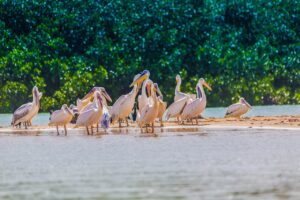
Independence and the Development of Modern Senegal
Fast forward to the 20th century, and Senegal, like much of Africa, fought for independence. After years as part of French West Africa, the country finally broke free in 1960. Since then, Senegal’s managed to stay surprisingly stable. Peaceful elections, strong cultural pride, and a sense of unity have kept the country moving forward. These days, Senegal is a leader in West Africa—not just politically, but in culture, music, and business, too. It’s a place where the past and present come together, and where anyone can find something to love.
Culture of Senegal: Music, Language, and Traditions
The Cultural Diversity of Senegalese Society
Senegal is a real mix of cultures. Lots of different ethnic groups call this place home. Even though these communities share certain customs, each one hangs on to its own unique identity. Most people speak Wolof in everyday life, but you’ll hear French in schools and government offices. Thanks to Senegal’s long history of meeting people from all over, it’s common to hear a bunch of regional languages being spoken too. Music is everywhere here. Drums and stringed instruments set the beat for parties, storytelling, and dancing—basically, any excuse to celebrate. And when it comes to musicians, Senegal really shines. Artists here blend deep, traditional rhythms with fresh, modern sounds, so the music scene feels alive and never boring. Fans from all over the world tune in.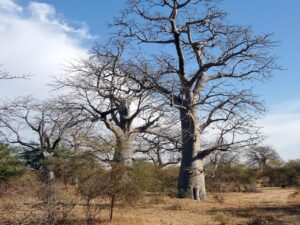
Tourism in Senegal: Discovering West Africa’s Cultural Destination
Senegal stands out as one of West Africa’s most colorful and inviting destinations. It sits right on the Atlantic, offering a mix of history, lively culture, gorgeous beaches, wild reserves, and some of the friendliest people you’ll ever meet. In recent years, more and more travelers from Europe, the Americas, and across Africa have started coming here. What really draws people in? Stability and a strong sense of identity. Senegal’s reputation for warmth isn’t just talk—locals live by “Teranga,” a deep-rooted tradition of hospitality and generosity. Visitors often say they feel at home right away, which makes wandering the country and meeting new people a joy instead of a challenge. There’s no shortage of things to do. You can walk through old island towns that whisper stories from the slave trade, kick back on palm-lined beaches, go wildlife spotting in national parks, or jump into music festivals that last all night. Senegal is the kind of place where you can learn, explore, and relax—all in one trip.
Dakar Tourism: Exploring the Vibrant Capital City
Dakar, perched at Africa’s western tip, is Senegal’s beating heart. It’s busy, colorful, and bursting with energy—a blend of old and new that’s hard to resist. As the country’s capital, it attracts business people, artists, and curious travelers alike. The markets here are something else. You’ll find everything from handwoven fabrics and jewelry to carved statues and paintings, all made by local hands. Just walking around, you feel the creative pulse of the city. One sight you can’t miss is the African Renaissance Monument. It towers over the city, telling a story of hope and independence. Climb up for a sweeping view, and you get a real sense of Dakar’s spirit. Art lovers have plenty to see, too. The city’s galleries and museums are packed with works that celebrate Africa’s past and present. With so much happening, Dakar is usually the first stop for anyone coming to Senegal—and honestly, it’s a great place to start.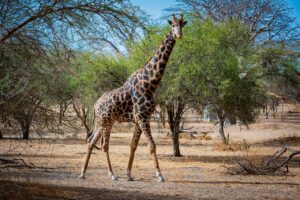
Gorée Island Tourism: Remembering History and Heritage
Just a short ferry ride from Dakar, Gorée Island stands as a powerful reminder of the past. This small island played a huge role during the Atlantic slave trade, serving as a holding point before enslaved Africans were sent across the ocean. Today, Gorée is a place to remember and learn. The House of Slaves museum sits at the heart of it all, preserving stories that shouldn’t be forgotten. As you wander the narrow streets, you’ll see bright colonial buildings and peaceful courtyards, but there’s a weight to the place—a sense of history that lingers. UNESCO recognized Gorée Island as a World Heritage Site, and for good reason. It’s more than a tourist attraction—it’s a symbol of memory, strength, and dignity.
Beach Tourism in Senegal: Relaxing Along the Atlantic Coast
Senegal’s coastline stretches for miles, offering endless choices for anyone who loves the sea. Warm water, soft sand, and sunshine—what more do you need? If you’re looking for a break from the city buzz in Dakar, Ngor Island is a favorite escape. It’s a small spot, but that’s part of its charm. The beaches feel peaceful and the mood is always relaxed. People hop on little boats to get there, spend the day swimming or just soaking up the sun, then grab a bite of fresh seafood at the simple local restaurants. It’s easygoing and unpretentious.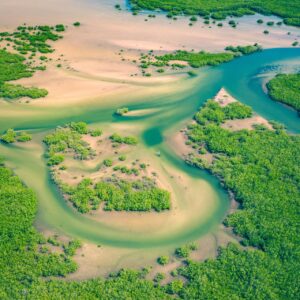
Then there’s Saly, a coastal town that’s now one of Senegal’s top beach destinations. Saly feels built for visitors, with its lineup of hotels, restaurants, golf courses, and nightlife. It’s the kind of place where international travelers come for a proper beach holiday—you get the full resort vibe. Senegal’s beaches do a lot for the country’s tourism. The weather’s great, the coastline’s beautiful, and there’s always something to do. You can relax under the palms, take a boat out on the water, or go fishing if you’re feeling adventurous. Water sports are a big draw, too.
Pink Lake Tourism: Discovering Senegal’s Unique Natural Wonder
Now, if you want to see something truly out of the ordinary, you’ve got to check out Lake Retba—people call it the Pink Lake. It’s not far from Dakar, and the water sometimes turns a vivid pink, thanks to special algae and all that salt. It looks unreal, almost otherworldly. But Lake Retba isn’t just for show. It’s a hub for salt production, and you’ll see locals out there, harvesting salt the way their families have for generations. Most visitors stop to watch, and it’s hard not to be drawn in by the whole process. The lake’s important for the nearby communities, both economically and culturally. Tourists love taking boat rides across the lake, and swimming here is a weird but fun experience—the salty water makes you float like a cork. No surprise, it’s one of Senegal’s most photographed spots. The colors, the people, the whole scene—it just sticks with you.
Wildlife Tourism and National Parks in Senegal
If wildlife’s your thing, Senegal’s got that covered too. Niokolo-Koba National Park is huge—miles and miles of forest, savannah, and rivers. It’s home to all kinds of animals: antelope, monkeys, buffalo, and a crazy variety of birds. Because Senegal sits along migration routes between Europe and Africa, birdwatchers flock here hoping to spot rare and colorful species. Another spot you can’t miss is the Djoudj National Bird Sanctuary, up by the Senegal River. Every year, millions of migrating birds stop here, and it’s a wild, noisy, beautiful mess. For anyone into nature, these parks are a chance to see West Africa’s wild side and help support conservation along the way.
Cultural Festivals and Music Tourism in Senegal
Culture runs deep in Senegal, especially when it comes to music and festivals. Music isn’t just entertainment—it’s everywhere, woven into daily life. Senegal’s produced its share of world-famous musicians, and the sound here is always fresh, mixing old rhythms with new styles. One of the biggest events is the Saint-Louis Jazz Festival.
Ecotourism and Sustainable Travel in Senegal
Musicians and fans from all over the globe descend on the old colonial city of Saint-Louis. For days, every street and square bursts with music, dancing, and celebration. Festivals like this don’t just bring in tourists—they show off the country’s creative energy.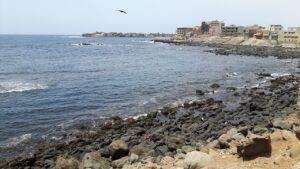
Surrounding Countries and Regional Connections of Senegal
Mauritania: Senegal’s Northern Neighbor
Senegal isn’t an island—its neighbors shape its story, too. To the north, you’ll find Mauritania. The Senegal River marks part of the border, and the desert landscape stretches right up to the Sahara. In the border regions, cultures blend—Arab and African traditions mix in daily life. Trade and transport routes crisscross here, tying the two countries together.
Mali: Cultural and Historical Connections
To the east, there’s Mali. The history between Senegal and Mali runs deep, all the way back to the Mali Empire. Those old connections still show up today, in shared traditions and trade links across West Africa.
Guinea and Guinea-Bissau: Southern Regional Neighbors
Head south and you’ll reach Guinea and Guinea-Bissau. These countries and Senegal have a lot in common—cultural ties, similar environments, and a sense that the borders are just lines drawn on a map. Life, nature, and traditions keep flowing from one to the next.
The Gambia: A Unique Country Within Senegal
The Gambia isn’t just another spot on the map—it’s a real oddity. Tucked almost entirely inside Senegal, this tiny country stretches along the Gambia River, carving out a skinny strip that actually splits Senegal in two. Even though a border runs between them, The Gambia and Senegal stick together in a lot of ways. They share deep cultural ties and keep up strong economic connections.
Conclusion
Senegal has a certain energy you feel the moment you arrive. The people are warm and open, the traditions run deep, and the scenery? It sticks with you. You can lose yourself in the busy markets of Dakar or get swept up in the history of Gorée Island. National parks spread out with wild, untouched beauty, and the coastline is just stunning. There’s no shortage of things to do, whether you’re chasing stories from the past, looking for adventure, or just want to stretch out on a quiet beach. Senegal’s mix of history, culture, and nature keeps drawing people in. Its identity is strong, and tourism keeps growing. Travelers from all over come here to experience the real spirit of West Africa. If you want a trip you’ll remember, Senegal is ready for you.
| Africa Tourism Association | Africa travel information, tourism industry resources, and destination links | Africa Tourism Association |
| African Tourism Board | Tourism promotion and destination information across Africa | African Tourism Board |
| Africa Country Tourism Links | Directory of tourism boards and official travel websites for African countries | Africa Country Links |
Author

Related posts

OPEC
- 0
- 5,679 words
OPEC OPEC stands for the Organization of the Petroleum Exporting Countries. It is an intergovernmental organization created by major oil-producing countries to...
Read out all
How Do I Find Reliable Wholesale Suppliers
- 0
- 9,103 words
How Do I Find Reliable Wholesale Suppliers ? Finding reliable wholesale suppliers is one of the most important tasks for anyone starting...
Read out all
What Is Happening in the World?
- 0
- 5,355 words
What Is Happening in the World? The world is currently experiencing a period of overlapping crises and opportunities. Political disputes, military conflicts,...
Read out all
BRICS
- 0
- 5,794 words
BRICS : History, Members, Economy, Goals, Expansion and Global Influence BRICS is an international grouping of major emerging economies and developing countries...
Read out all
United Kingdom
- 0
- 5,089 words
United Kingdom The United Kingdom, commonly known as the UK, is one of Europe’s most fascinating travel destinations. Officially called the United...
Read out all
Bhutan
- 0
- 4,154 words
Bhutan Travel Guide Bhutan is one of the most fascinating travel destinations in Asia, offering an extraordinary combination of Himalayan landscapes, Buddhist...
Read out all