
Saudi Arabia
Saudi Arabia: A Powerful Nation in the Middle East and Global Importance of the Kingdom
Saudi Arabia stands out as one of the Middle East’s most powerful countries, and its influence stretches far beyond its borders. Sitting on the Arabian Peninsula, the kingdom is famous for more than just endless deserts and ancient ruins. There’s a deep sense of tradition here, and lately, a real buzz around its fast-growing tourism scene. For decades, most people thought of Saudi Arabia as the land of oil and holy cities. That’s still true, but the story’s expanded. Now, travelers from around the world are flying in to see its dramatic landscapes, old-world sites, and the energy of its modern cities. If you look at a map, Saudi Arabia dominates the Arabian Peninsula. 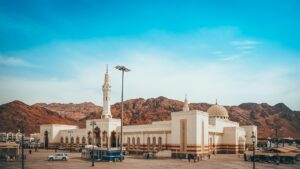 It’s one of the Middle East’s giants, land-wise. Its location—right between Asia, Africa, and Europe—has always made it a crossroads for trade, religion, and cultures mixing together. These days, Saudi Arabia’s role in the global energy market gives it real economic weight, too. Right now, the country’s changing fast. Huge development plans, new cities rising in the desert, and a push to bring in more visitors are all part of Saudi Arabia’s big transformation. The government is pouring money into new roads, museums, hotels, even art festivals. It’s not just about shiny new buildings, though—they’re also working to protect historical sites and celebrate Saudi culture. All this makes Saudi Arabia a fascinating destination for people curious about history, culture, or just the thrill of the open desert.
Geography of Saudi Arabia: Deserts, Mountains, and Coastal Landscapes
The geography of Saudi Arabia is vast and diverse. Although many people imagine the country as a large desert, it actually includes mountains, valleys, coastlines, and fertile areas. These landscapes create a wide variety of natural environments that support both traditional lifestyles and modern development. Most folks picture Saudi Arabia as a giant sandpit. That’s only part of the story. Sure, the Rub’ al Khali, or Empty Quarter, is one of the biggest sand deserts on Earth—waves of dunes stretching across the south. It’s wild, unforgiving, but Bedouin families have called it home for generations. Move west, and you hit rugged mountains running along the Red Sea. The air’s cooler there, and the views are incredible. Head east, and you’ll find the Persian Gulf coast, with busy ports and industry. So, whether you’re up for trekking into the desert or relaxing by the sea, Saudi Arabia’s geography has you covered.
History of Saudi Arabia: From Ancient Trade Routes to Modern Kingdom
The history of Saudi Arabia dates back thousands of years. The Arabian Peninsula served as a crossroads for ancient civilizations, traders, and pilgrims. Historical evidence shows that early communities lived in the region long before the rise of major empires. Ancient trade routes once connected Arabia to Africa, Asia, and the Mediterranean. These routes carried valuable goods such as spices, incense, and textiles. Many archaeological sites discovered in Saudi Arabia reveal that the region was part of thriving trade networks.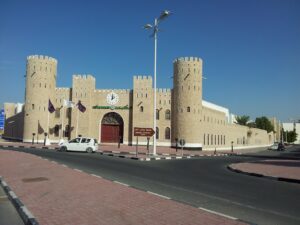
The modern Kingdom of Saudi Arabia was officially established in 1932 by Ibn Saud. Under his leadership, various regions of the Arabian Peninsula were united into a single nation. Since then, Saudi Arabia has developed into one of the most powerful countries in the Middle East. The discovery of oil in the twentieth century transformed the country’s economy. Oil revenues allowed Saudi Arabia to invest heavily in infrastructure, education, and modernization. Today, the country continues to expand its global influence through economic and diplomatic activities.
Cultural Heritage of Saudi Arabia: Traditions, Language, and Daily Life
Culture here is woven from Islamic tradition, Arab heritage, and the rhythms of desert life. Hospitality isn’t just a nice idea—it’s a way of living. If you’re a guest, expect coffee, dates, and a genuine welcome. Arabic is everywhere, shaping conversation and art. The way people dress reflects their roots: men often wear thobes (those crisp white robes), women in abayas. Food is a big deal, too. Meals revolve around rice, grilled meats, and rich spices, always best when shared with family or friends. Music, poetry, and storytelling run deep—many of these traditions grew out of the Bedouin way of life, shaped by long nights and endless horizons.
Tourism in Saudi Arabia: Emerging Attractions and Cultural Experiences
Saudi Arabia has turned into one of the most interesting places to visit in the Middle East. For a long time, people mostly thought of it for oil and its deep religious roots. But now, the country’s throwing open its doors, pouring money into new projects, and inviting travelers to see what it’s really about. Suddenly, visitors from all over are stumbling onto its rich history, jaw-dropping landscapes, and lively culture. Sitting at the heart of the Arabian Peninsula, Saudi Arabia is the biggest country in the region. Its spot on the map made it a crossroads for trade, religion, and ideas for thousands of years. These days, the government’s betting big on tourism, hoping to show off the country’s heritage and scenery—and shake up the economy while they’re at it. 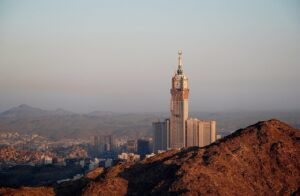
Religious Tourism in Saudi Arabia: The Spiritual Heart of the Islamic World
One of the most significant aspects of tourism in Saudi Arabia is religious travel. Millions of Muslims visit the country every year to perform the Hajj and Umrah pilgrimages. These religious journeys take place in the holy city of Mecca, which is the birthplace of the Prophet Muhammad. At the center of Mecca stands the Masjid al-Haram, the largest mosque in the world. Within this mosque lies the Kaaba, the most sacred site in Islam. Pilgrims from every corner of the world gather here to pray and perform rituals that have been practiced for centuries. Another important religious destination is Medina, where visitors can see the Al-Masjid an-Nabawi. Although these cities are primarily visited for religious purposes, they also represent a major part of Saudi Arabia’s tourism industry and cultural heritage.
Riyadh Tourism: Discovering the Modern Capital of Saudi Arabia
Riyadh is where everything happens—politics, business, culture. Not that long ago, it was just a desert town. Now, you’ll see glass towers, sprawling malls, museums, and whole neighborhoods buzzing with life. Just outside the city, Diriyah stands out. This UNESCO site was the birthplace of the Saudi royal family and is packed with restored mud-brick buildings. Walk those old streets and you get a real sense of how the kingdom started. Of course, Riyadh isn’t just about the past. You’ll find observation decks with skyline views, high-end shopping, and a growing lineup of cultural spaces. With all the development, it’s become a magnet for business travelers and big international events.
Jeddah Tourism: The Gateway to the Red Sea
Jeddah feels different—a mix of old-world charm and modern energy, right on the Red Sea. Travelers often end up here first when exploring western Saudi Arabia. The heart of the city is Al-Balad, a UNESCO World Heritage Site filled with coral stone houses and ornate wooden balconies. Get lost in its maze of narrow streets, and you’re walking through centuries of history. But step out of the old district and you’re in a city with glitzy malls, global restaurants, and breezy sea promenades. Plus, the Red Sea coast is a paradise for diving, snorkeling, and boat trips. Jeddah draws people in because it blends culture, history, and the coast all in one spot.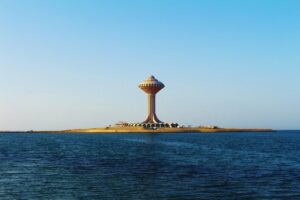
AlUla Tourism: Exploring Ancient Civilizations and Desert Landscapes
AlUla is probably the most talked-about tourism project in Saudi Arabia right now. Out in the northwest desert, it’s famous for wild sandstone cliffs, ancient tombs, and archaeological treasures. The main draw is Hegra, built by the Nabataeans over two thousand years ago—think massive rock-cut tombs that remind you of Petra in Jordan. People come to AlUla to wander ruins, hike through desert valleys, and stare up at surreal rock formations. In the last few years, luxury desert resorts and cultural festivals have popped up, making it a real destination for global travelers. With its mix of history and natural beauty, AlUla is fast becoming one of Saudi Arabia’s signature places to visit.
Desert Tourism in Saudi Arabia: Adventure in the Arabian Sands
The deserts here are something else. The Rub’ al Khali—otherwise known as the Empty Quarter—is one of the world’s largest sand seas. If you’re after adventure, this is the place. Think dune bashing, camel treks, and camping under the stars. At night, people gather around the fire, share stories, listen to music, and watch the sky fill up with stars. It’s not just the Empty Quarter, either. There are plenty of other desert spots near Riyadh and elsewhere, where guides introduce visitors to Bedouin life and traditional desert culture.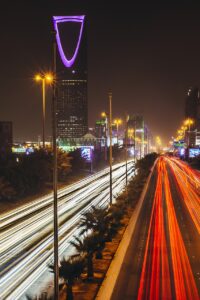
Red Sea Tourism: Beaches, Diving, and Marine Life
Saudi Arabia’s Red Sea coast is quickly making a name for itself with international travelers. The water is crystal clear, the coral reefs are teeming with life, and the marine scenery is just incredible. Divers from everywhere come to see colorful fish, coral gardens, and even shipwrecks. The water stays warm and clear all year, so diving and snorkeling are always on the table. Saudi Arabia is also developing luxury coastal resorts and island destinations along the Red Sea. These projects aim to transform the region into one of the world’s leading beach tourism destinations.
Cultural Festivals and Events in Saudi Arabia
Saudi Arabia’s cultural scene is buzzing these days. Every year, more festivals pop up, drawing people from all over the world. There’s music, art, food, and a real celebration of tradition. Take Diriyah, for example. Its annual festival is a deep dive into Saudi history, with crafts, performances, and a real sense of heritage. Over in Riyadh and Jeddah, the big cities throw huge entertainment events and international exhibitions, pulling in crowds and creating a lively atmosphere.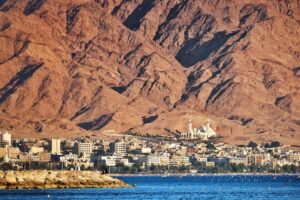
Vision 2030 and the Future of Tourism in Saudi Arabia
Tourism in Saudi Arabia is taking off, and it’s not by accident. The country’s Vision 2030 plan is all about shaking things up—less focus on oil, more on tourism, entertainment, and culture. You see it everywhere: new cities rising, luxury resorts opening along the coast, entire entertainment districts being built, and heritage sites getting a fresh look. The goal? Millions of visitors every year, from every corner of the globe. Saudi Arabia is well on its way to becoming one of the world’s hottest travel destinations.
Surrounding Countries and Regional Connections of Saudi Arabia
Saudi Arabia sits right at the heart of the Arabian Peninsula, stretching across the Middle East and connecting with a bunch of different countries. Its borders touch several neighbors, and those connections really matter—trade, tourism, politics, and culture all flow across these lines. To the north, Jordan and Iraq link Saudi Arabia with the broader Middle East. Swing east, and you hit Kuwait, Qatar, and the United Arab Emirates along the Gulf. Down south, you’ve got Yemen and Oman. The whole western side opens onto the Red Sea, just across from Africa.
Jordan: A Northern Neighbor with Ancient Heritage
Jordan sits just northwest of Saudi Arabia, and the two countries share plenty—history, culture, and economic ties. Their border cuts across desert that traders and travelers have crossed for centuries. Jordan’s packed with history. Petra stands out—a city carved into rose-colored cliffs, built by the Nabataeans long ago. Lots of visitors combine a trip to Petra with adventures in Saudi Arabia’s deserts. Then there’s Wadi Rum, a stunning stretch of red sand and huge rock formations. The desert lifestyle there feels a lot like northern Saudi Arabia, with Bedouin traditions running deep on both sides. Trade and travel between Jordan and Saudi Arabia stay busy, keeping the link between the Levant and Arabia strong.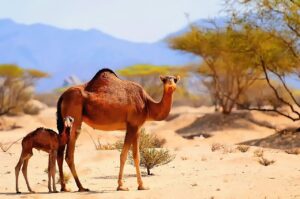
Iraq: Historical and Cultural Connections in the North
Another northern neighbor of Saudi Arabia is Iraq. Iraq lies to the northeast of Saudi Arabia and has historically been connected to the Arabian Peninsula through trade, religion, and culture. The region that is now Iraq was once the center of ancient civilizations such as Mesopotamia. Historic cities along the Tigris and Euphrates rivers played a major role in the development of early human societies. Although modern political conditions have affected travel, Iraq remains an important neighboring country with deep historical significance. The desert border between Iraq and Saudi Arabia is sparsely populated, yet it has been used for centuries by nomadic tribes moving across the region. Cultural traditions, languages, and customs often overlap between communities living near the border. Economic cooperation and diplomatic relations between the two countries continue to develop as the Middle East evolves.
Kuwait: A Key Gulf Neighbor and Trade Partner
Just northeast of Saudi Arabia, you’ll find Kuwait. It’s a small country, but don’t be fooled—its role in the region is huge, especially when it comes to economics. Kuwait and Saudi Arabia don’t share a long border, but their trade relationship is solid, built mostly around oil and energy. Both countries are oil giants, and you can feel their influence in global energy markets. Their shared interests keep them working together, whether it’s inside regional organizations or out on the world stage. Kuwait City, the capital, stands out with its skyline, cultural spots, and views of the Gulf. Travelers coming to this part of the world often end up visiting both Saudi Arabia and Kuwait, combining them into one big adventure across the Middle East.
Qatar: A Peninsula Nation with Strong Gulf Connections
East of Saudi Arabia, right on the Persian Gulf, sits Qatar. It’s basically a thumb of land jutting out into the sea, and it’s grown fast thanks to natural gas and big investments around the globe. Doha, the capital, is all about modern architecture, museums, and huge international events. Qatar hosts everything from major conferences to world-class sports, turning it into a real hotspot in the region. Saudi Arabia and Qatar share more than just a border—they have deep economic and cultural ties. Sure, politics sometimes get in the way, but lately, cooperation keeps moving forward. Their connection has also opened up the Gulf for tourism. It’s easy for travelers to hop between destinations and pack a lot into a short trip.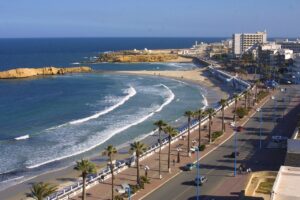
United Arab Emirates: Modern Cities and Tourism Development
Head southeast from Saudi Arabia and you’ll reach the United Arab Emirates. The UAE is all about modern life—think sparkling cities, luxury resorts, and nonstop business. Dubai and Abu Dhabi draw millions every year. These places are famous for their wild architecture, huge malls, and big-name cultural events. Saudi Arabia and the UAE do a lot together, both in business and culture, so it’s common for tourists to visit both. With deserts, coastline, and a shared history, the bond between these two countries runs deep.
Oman: Mountain Landscapes and Cultural Heritage
Keep moving southeast and you’ll hit Oman. This country is a whole different vibe, with its dramatic mountains, old forts, and deep-rooted traditions. Oman’s geography stands out—rugged peaks, long coastlines, and the Arabian Sea right at its doorstep. Muscat, the capital, mixes beautiful mosques, lively markets, and scenic harbors. People come here for adventure—think exploring desert valleys or hiking along coastal cliffs. Saudi Arabia and Oman aren’t just neighbors; they’ve been connected for centuries by shared borders and ancient trade routes across the peninsula.
Yemen: A Southern Neighbor with Ancient Civilizations
Right to the south is Yemen. Its border with Saudi Arabia is one of the longest, and its history goes way back. Yemen was home to ancient kingdoms and once traded in incense and spices that were worth their weight in gold. Cities like Sana’a are famous for their unique mud-brick towers, decorated with intricate designs. Even though Yemen faces big challenges today, the ties—cultural and historical—to Saudi Arabia and the rest of the peninsula are still strong.
Red Sea Neighbors and African Connections
On Saudi Arabia’s west side, the Red Sea stretches out, separating it from Africa. Across the water are Egypt and Sudan. This stretch of sea has been a busy highway for centuries. Merchants crossed back and forth, trading and sharing cultures—a tradition that’s still alive today. The Red Sea isn’t just about history, though. It’s a hub for tourism, fishing, and shipping. Saudi Arabia is now pouring resources into developing its coastline, aiming to turn it into a global destination.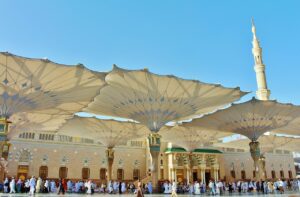
Conclusion
Saudi Arabia is a land of contrasts. Ancient traditions meet rapid change, deserts stretch for miles, and cities buzz with life. Whether you’re drawn by history, religion, or the promise of something new, Saudi Arabia offers a unique mix. With tourism on the rise, more people are discovering what makes the Arabian Peninsula so special—its culture, its landscapes, and its deep sense of history. From historic heritage sites to futuristic cities, Saudi Arabia offers experiences that connect the past, present, and future. Because of its strategic location, rich history, and growing tourism opportunities, Saudi Arabia is becoming an increasingly important destination for global travelers.
Author

Related posts
OPEC
- 0
- 5,679 words
OPEC OPEC stands for the Organization of the Petroleum Exporting Countries. It is an intergovernmental organization created by major oil-producing countries to...
Read out all
How Do I Find Reliable Wholesale Suppliers
- 0
- 9,103 words
How Do I Find Reliable Wholesale Suppliers ? Finding reliable wholesale suppliers is one of the most important tasks for anyone starting...
Read out all
What Is Happening in the World?
- 0
- 5,355 words
What Is Happening in the World? The world is currently experiencing a period of overlapping crises and opportunities. Political disputes, military conflicts,...
Read out all
BRICS
- 0
- 5,794 words
BRICS : History, Members, Economy, Goals, Expansion and Global Influence BRICS is an international grouping of major emerging economies and developing countries...
Read out all
United Kingdom
- 0
- 5,089 words
United Kingdom The United Kingdom, commonly known as the UK, is one of Europe’s most fascinating travel destinations. Officially called the United...
Read out all
Bhutan
- 0
- 4,154 words
Bhutan Travel Guide Bhutan is one of the most fascinating travel destinations in Asia, offering an extraordinary combination of Himalayan landscapes, Buddhist...
Read out all