
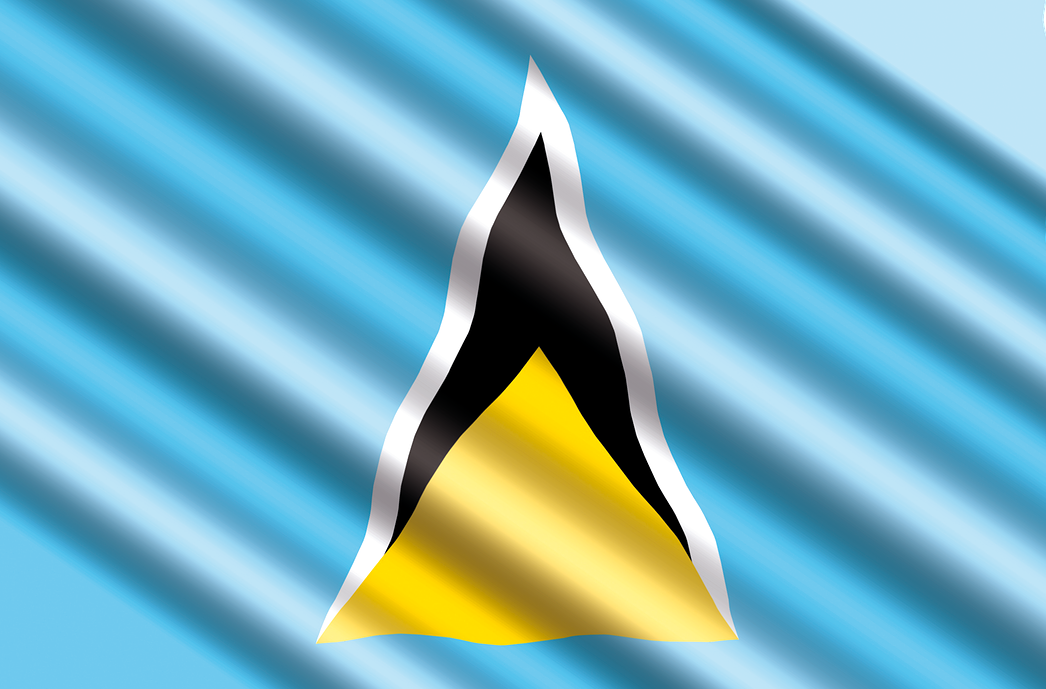
Saint Lucia: Discover the Natural Beauty, Culture, Tourism, and Global Connections of the Caribbean Island
Saint Lucia is one of those places that almost feels unreal. Tucked away in the eastern Caribbean, this island has it all—towering green mountains, beaches with both golden and black sand, lush rainforests, and a warm, open-hearted vibe you notice right away. Even though it’s not a big country, Saint Lucia packs in a wild mix of natural beauty, local culture, and all the modern stuff travelers look for. People come from all over—North America, Europe, you name it—to soak up the sun on the beaches, stay at fancy resorts, and get a taste of adventure. The island sits between the Atlantic and the Caribbean Sea, so it’s warm year-round. Honestly, you can’t beat the weather. Now, if you’ve ever seen a picture of Saint Lucia, you’ve probably seen the Pitons. These two sharp volcanic peaks shoot straight up from the sea, and they’re everywhere—from postcards to national symbols. The rest of the island is just as dramatic, with rainforests, waterfalls, coral reefs, and villages painted in bright colors that match the lively energy of the Caribbean. It’s no wonder Saint Lucia has a reputation for romance. Honeymooners love it here, and eco-tourists find plenty to explore, too.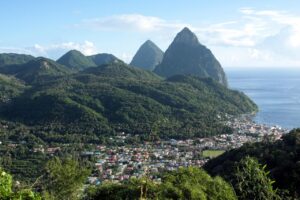
Geography and Natural Landscape of Saint Lucia
Let’s talk geography for a second. Saint Lucia isn’t flat and boring like some other islands. It’s rugged, volcanic, and covered in thick rainforest. The whole place is only about 617 square kilometers, but the landscapes change fast. The Pitons—Gros Piton and Petit Piton—are the stars, climbing straight up from the southwest coast. People come from everywhere just to see them, and they’re such a big deal that UNESCO named the area a World Heritage Site.
If you head inland, the rainforest takes over. It’s packed with tropical plants, colorful birds, and animals you won’t find many other places. Rivers cut through the green, waterfalls drop into hidden pools, and you might even stumble across a steaming hot spring. Down by the shore, the beaches range from golden sand to volcanic black, and the coral reefs just offshore make for unforgettable snorkeling and diving. Both the land and the sea here are made for adventure.
History of Saint Lucia: From Indigenous Heritage to Independence
The island’s story goes way back, too. Before any Europeans showed up, the Arawaks and then the Caribs lived here, fishing, farming, and trading with their neighbors. When European powers started poking around the Caribbean in the 1500s, Saint Lucia quickly became a prize everyone wanted. The French and British fought over it so many times that people started calling it the “Helen of the West Indies,” after the mythic beauty who sparked a war. Eventually, the British took over for good in the early 1800s, turning the island into a patchwork of plantations. Slavery left a mark that still shapes Saint Lucia’s culture and people. Then, after a long colonial chapter, Saint Lucia struck out on its own in 1979. Now it’s an independent country, part of the Commonwealth, with connections all over the world.
Culture and Traditions of Saint Lucia
Culture here is a real mix—African, French, and British influences all blend together. English is the official language, but if you listen closely, you’ll hear Kwéyòl, a French-based Creole, in the markets and villages. Music and dance are everywhere. Calypso, reggae, soca—they spill out onto the streets, especially when the festivals roll around. The Saint Lucia Jazz Festival pulls in talent and fans from around the globe, and Carnival turns the island into a blur of parades, dancing, and nonstop celebration. Saint Lucia isn’t just a postcard—it’s a place with a pulse, a story, and a culture that welcomes you in.Food means a lot in Saint Lucian culture—it’s right at the heart of everyday life. People here cook with whatever’s fresh: seafood straight from the sea, fruit plucked from the trees, and local spices that add real kick. If you visit, try green fig and saltfish.
It’s the island’s national dish: green bananas mixed with salted fish and herbs. Simple, but full of flavor. All this tradition, mixed with the island’s beauty, makes Saint Lucia special. When you visit, you get more than beaches—you get a sense of the place and its people.
Tourism in Saint Lucia: One of the Caribbean’s Most Beautiful Destinations
Tourism shapes Saint Lucia’s economy and its place in the world. Even though it’s a small island in the eastern Caribbean, Saint Lucia draws people from everywhere. It’s easy to see why: mountains that touch the clouds, rainforests alive with color, clear blue water, and a culture that feels warm and welcoming. People sometimes call it the “Helen of the West Indies.” The nickname fits. Saint Lucia has its own rhythm—a mix of volcanic landscapes, wild nature, and friendly faces. Tourism here blends luxury and nature. You can find high-end resorts or choose a more eco-friendly adventure. Honeymooners show up for the romance, others come to unwind on the beaches, and plenty visit for hiking, diving, or just soaking up the outdoors. Lately, more travelers have started to dig deeper—exploring local festivals, music, and food. With all this natural beauty and a tourism scene that keeps up with the times, Saint Lucia stands out as one of the top spots in the Caribbean.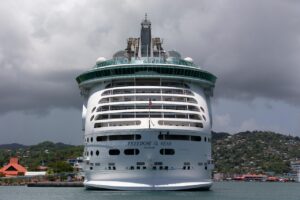
The Natural Beauty of Saint Lucia and Its Impact on Tourism
Let’s be honest: what really pulls people to Saint Lucia is its landscape. A lot of Caribbean islands are flat, but not this one. Saint Lucia’s got mountains, thick forests, and wild, dramatic views. It feels alive, and it looks different from every angle. The island’s volcanic past left behind rich soil and a ton of different ecosystems. You’ll find rainforests, waterfalls, rivers, coral reefs, and perfect beaches—all packed into one place. So, whether you want to hike, swim, snorkel, or just watch birds, there’s something here for you. The weather? Pretty much perfect. Warm, sunny days and gentle breezes mean you can visit almost any time of year and still catch the best of Saint Lucia. It’s a safe bet for anyone who wants both adventure and relaxation in the tropics.
The Pitons: The Most Iconic Tourist Attraction in Saint Lucia
If you’ve ever seen a photo of Saint Lucia, you’ve probably seen the Pitons. These two volcanoes—Gros Piton and Petit Piton—shoot up from the southwest coast. They’re the island’s rock stars, and honestly, they’re even more impressive in person. Hikers love Gros Piton. The trails wind through forest and over rocks, and when you reach the top, the view of the sea and the island below is unreal. People come from all over the world just to see it. The area around the Pitons is just as stunning. You’ll find fancy resorts, coral reefs, and quiet beaches nearby. The whole region is so unique that UNESCO named it a World Heritage Site. That’s helped put Saint Lucia on the map for travelers everywhere.
Soufrière: A Historic Town Full of Natural Wonders
Soufrière stands out as one of the most charming and historic towns on the island. It’s right near the Pitons, so you get easy access to some of Saint Lucia’s best natural wonders. One spot you can’t miss is the Sulphur Springs. People call it the world’s only “drive-in volcano.” You actually drive right up to bubbling mud pools and steaming vents—leftovers from old volcanic eruptions. There are also mud baths, where you can slather yourself in warm volcanic mud and rinse off in natural hot springs. It’s messy, but a lot of fun. But Soufrière isn’t just about volcanoes. You’ll also find peaceful botanical gardens, waterfalls hidden in the forest, and views that stretch for miles. Whether you want to unwind or go exploring, this town has you covered.
Beaches of Saint Lucia: Tropical Relaxation and Coastal Beauty
Saint Lucia’s beaches really do have a way of pulling you in. The coastline’s a mix of golden stretches and dramatic dark volcanic sand—thanks to the island’s volcanic roots—so you never feel like you’re seeing the same beach twice. Reduit Beach near Rodney Bay is always buzzing. Calm water, beachside restaurants, and water sports set the scene for a lazy afternoon or an active one, if that’s your thing. Then there’s Anse Chastanet, sitting close to the iconic Pitons. The water here is clear, almost glassy, and the snorkeling is top-notch. You barely have to wade out before you spot bright fish darting through the coral. It’s easy to see why so many people come to Saint Lucia just for the beaches—they’re a huge draw for the island.
Adventure Tourism and Outdoor Activities in Saint Lucia
But Saint Lucia isn’t just about lounging in the sand. If you want adventure, you’ve got options. Hiking trails wind through the rainforest, cutting through thick greenery and leading to waterfalls and lookouts with jaw-dropping views. If you’re lucky, you’ll spot some wild birds or catch a glimpse of other local wildlife along the way. Guided hikes aren’t just about the walk—they give you a window into the island’s ecosystems and the work that goes into preserving them. For anyone with a thrill-seeking streak, zip-lining has taken off here. You get to fly above the treetops, soaking in mountain views and a rush of adrenaline. And the ocean? It’s just as exciting. Divers and snorkelers from all over come for the colorful reefs and underwater volcanic formations that make the sea life here vibrant and unique.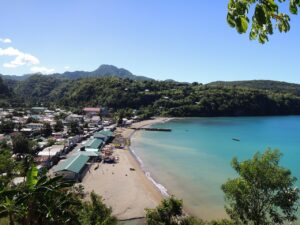
Cultural Tourism and Local Experiences in Saint Lucia
Culture runs deep on the island too. Saint Lucia’s got this blend of African, French, and British influences, and you can feel it everywhere—in the music, the food, even the way people celebrate. Live music spills into the streets during festivals, with calypso, soca, and reggae setting the mood. Carnival is the big one. Every year, the island throws itself into parades, music contests, and performances that show off just how creative and lively Saint Lucians are. If you want to get a feel for local life, try the markets or craft shops. There’s something about picking up a basket or a wood carving made by hand right there on the island—it’s more than a souvenir, it’s a piece of the place.
Luxury Resorts and Hospitality in Saint Lucia
Luxury’s never far away in Saint Lucia. The island’s made a name for itself with resorts and villas that give you private pools, spas, and restaurants mixing Caribbean flavors with international flair. The backdrop—whether it’s the Pitons or a quiet cove—makes it a favorite for honeymoons and weddings. But it’s not all high-end; guesthouses and small hotels mean you can visit Saint Lucia on pretty much any budget and still have a great time.
Cruise Tourism and International Visitors
Cruise ships are a regular sight in Castries, the capital, and they bring plenty of new faces to the island every year. Most visitors try to squeeze in as much as they can—shopping in local markets, touring the Pitons, maybe a rainforest adventure or a trip to the Sulphur Springs—before heading back to their ships. Flights connect Saint Lucia to the US, Canada, the UK, and Europe, so it’s easy for international travelers to find their way here. All in all, the island’s got a way of welcoming anyone who wants to soak up its beaches, adventure, culture, or just a bit of sun and sea.
Eco-Tourism and Sustainable Travel in Saint Lucia
Saint Lucia takes eco-tourism seriously. The island works hard to protect its rainforests, marine life, and wildlife habitats, all while helping the economy grow. If you visit, you’ll see that many tour companies encourage travelers to reduce waste, help out the coral reefs, and support local communities. Eco-lodges and nature tours let you soak up the island’s beauty without leaving a heavy footprint behind. Sustainable tourism isn’t just a trend here—it’s the future. More travelers want to do right by the planet, so Saint Lucia keeps rolling out new programs that blend tourism with real care for the environment.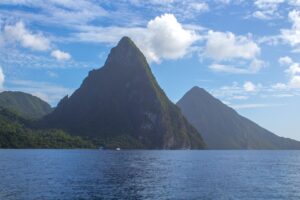
Best Time to Visit Saint Lucia for Tourism
If you’re after sunshine and comfortable weather, December to April is your sweet spot. That’s when the skies are mostly clear and the air feels just right. Not surprisingly, people from colder places flock to Saint Lucia during these months to thaw out. But honestly, the island’s great all year round. Summer usually means fewer tourists and better deals, which is perfect if you’re watching your budget. Even when it rains, it usually doesn’t last long—one minute you have a quick shower, the next you’re back in the sun. With its steady tropical climate, Saint Lucia always has something to offer, no matter when you visit.
Surrounding Islands and Regional Connections of Saint Lucia
Caribbean Neighbors and Island Connections
Saint Lucia sits among the Windward Islands in the eastern Caribbean, with Martinique to the north and Saint Vincent and the Grenadines just south. Martinique, a French territory, shares deep cultural and economic ties with Saint Lucia. Ferries and flights make hopping between the two easy, so you can experience both in one trip. Head a bit south, and you’ll find Saint Vincent and the Grenadines, another prime spot for sailing and diving. The islands are close enough that many travelers bounce between them, turning one vacation into a whole island-hopping adventure.
Saint Lucia’s Global Tourism Connections
Even though it’s small, Saint Lucia stays connected to the world. Major airports link the island to cities in the US, Canada, the UK, and Europe. Cruise ships regularly pull into port, bringing in thousands of visitors each year. Tourism drives the local economy, and these global connections keep things humming. The island also stays active in regional groups like the Caribbean Community (CARICOM), working with its neighbors to boost economic cooperation.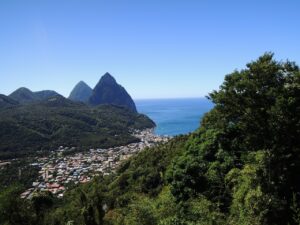
Conclusion
Saint Lucia isn’t just gorgeous—it’s unforgettable. The volcanic peaks, lush rainforests, golden beaches, and lively culture make every day an adventure. Locals welcome you with open arms, and their traditions bring real color to your visit. Whether you’re chasing thrills, looking to unwind, or planning a romantic escape, you’ll find something here that feels just right. Tourism keeps growing because Saint Lucia offers a rare mix of natural wonders, rich culture, and modern comforts. The Pitons, the beaches, the music, the festivals—every corner has something to remember. What’s really special is how the island balances tourism and the environment. The government and local communities work together to keep Saint Lucia beautiful for future generations. That means you can enjoy the sights today without worrying about what’s left for tomorrow. With its stunning scenery and solid tourism setup, Saint Lucia keeps drawing visitors from everywhere. As more people look for travel that feels both exciting and responsible, this island stands out as a place where nature, culture, and sustainability come together—creating a destination you won’t forget.
Author

sadikhan.ceo@gmail.com
Related posts
Slovakia
- 0
- 2,323 words
Slovakia : Discover the Hidden Gem of Central Europe Tucked right in the heart of Central Europe, Slovakia is one of those...
Read out all
Singapore
- 0
- 2,246 words
Singapore : A Global City and Travel Hub Singapore’s one of those places where modern life and nature seem to fit together...
Seychelles
- 0
- 2,644 words
Seychelles : A Dream Destination in the Indian Ocean You hear about places as “dream destinations” all the time, but Seychelles totally...
Serbia
- 0
- 2,789 words
Serbia Travel Guide: Regions of the Balkan Nation Serbia sits right at the heart of the Balkans, and honestly, it’s one of...
Read out all
Senegal
- 0
- 2,277 words
Senegal Travel Guide: Discover the Culture, History, Tourism, and Surrounding Regions of West Africa Welcome to Senegal—a place that really captures the...
Read out all
Saudi Arabia
- 0
- 2,914 words
Saudi Arabia: A Powerful Nation in the Middle East and Global Importance of the Kingdom Saudi Arabia stands out as one of...
Read out all