
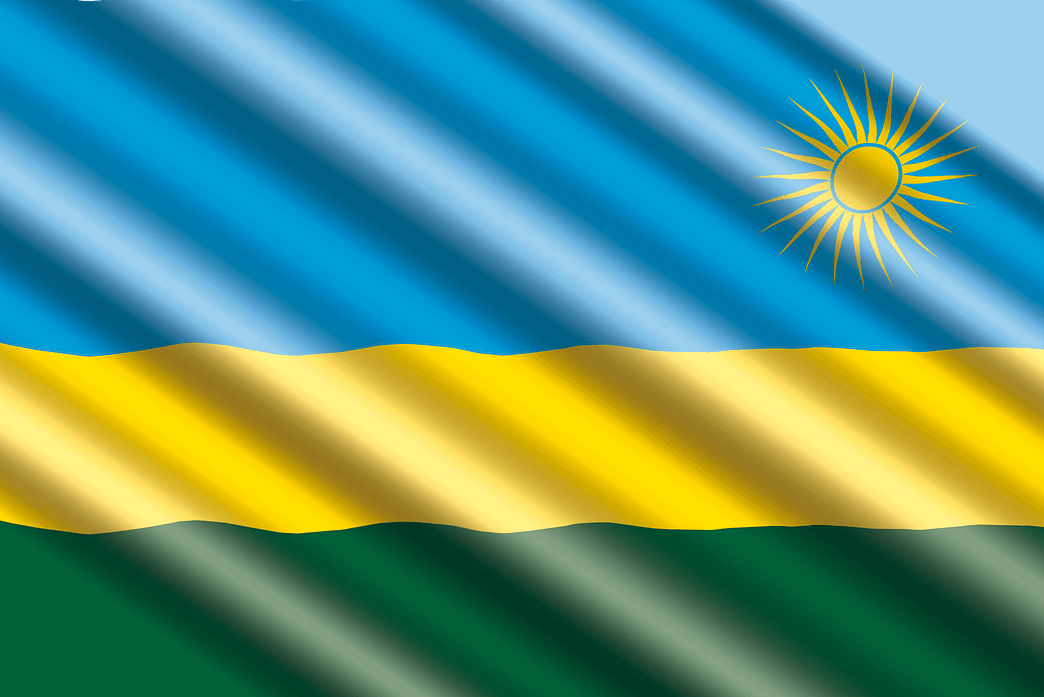
Rwanda : Discover the Land of a Thousand Hills in the Heart of Africa
Rwanda sits right in the middle of Africa, and honestly, it’s one of the continent’s most inspiring places to visit. People call it the “Land of a Thousand Hills,” and you get why the moment you see those endless green slopes and misty mountains. It’s a small country, sure, but what it lacks in size, it makes up for in experiences, culture, and jaw-dropping scenery. Over the last twenty years, Rwanda’s pulled off an incredible transformation—now it’s known as one of Africa’s safest, cleanest, and most organized spots. No surprise, tourism keeps growing, and travelers from all over keep showing up. Rwanda’s also famous for its commitment to conservation, especially protecting the endangered mountain gorillas. But it’s not just about gorillas—think lakes, forests, wildlife safaris, cultural villages, and a capital city that’s modern and full of life. Whether you’re chasing adventure, culture, or eco-friendly travel, Rwanda’s got something for everyone. Location-wise, Rwanda’s in a sweet spot, connecting East and Central Africa. It’s right next to Uganda, Tanzania, Burundi, and the Democratic Republic of the Congo, so it’s a perfect springboard if you’re exploring the region.
Geography and Natural Beauty of Rwanda: Rolling Hills and Scenic Landscapes
What really makes Rwanda stand out? The landscape. The whole country is a patchwork of hills and mountains, so you get these killer views wherever you go. It’s not the flat, endless savannah you see in other parts of Africa—the higher elevation here actually means the climate’s cooler, which is a nice bonus. Up in the northwest, you’ll find the Virunga Mountains, a chain of volcanoes shrouded in thick forests and home to some rare wildlife. Head east, and things open up into savannah and plains—ideal for spotting animals on safari. And then there’s Lake Kivu, one of Africa’s Great Lakes. It’s just stunning—calm beaches, boat trips, and sunsets that stick with you long after you leave. For such a small country, Rwanda packs a lot of variety into its borders.
Kigali: The Modern and Clean Capital of Rwanda
Kigali, Rwanda’s capital, is not what you might expect. People talk about how clean it is—and they’re not exaggerating. Built on hills, the city has fresh air and views for days. But it’s more than just pretty. Kigali is the heart of Rwanda’s rapid development. One place you can’t miss is the Kigali Genocide Memorial. It’s heavy, yes, but it gives you real insight into Rwanda’s past and its remarkable journey toward unity and peace. The site is handled with such care and respect that it feels both sobering and hopeful. Beyond history, Kigali buzzes with modern hotels, international food, cozy coffee shops, and big conference centers. The city’s become a go-to spot for business events in Africa, and you can feel that energy everywhere.
Volcanoes National Park: Gorilla Trekking in Rwanda
If there’s one thing that puts Rwanda on the map, it’s Volcanoes National Park. Tucked up in the northwest, near Uganda and the DRC, this park is home to the famous mountain gorillas. Gorilla trekking here is unforgettable. You’re hiking through misty forests, climbing steep mountain paths, all to see gorillas up close, right where they live. Rwanda keeps the number of visitors down, so each trek feels special and never crowded. It’s not just about gorillas, either. The park is home to golden monkeys and plenty of other wildlife. Those volcanic peaks give the whole place a wild, almost otherworldly vibe. Thanks to its focus on eco-tourism and conservation, Rwanda’s earned a reputation as a leader in protecting wildlife across Africa.
Nyungwe Forest National Park: Primate and Canopy Adventures
Down in the southwest, Nyungwe Forest National Park is another gem. This place is ancient—one of Africa’s oldest and richest rainforests. Nyungwe is famous for chimpanzee trekking. Picture yourself up before dawn, following guides deep into the forest, hoping to spot chimps in their own world. The park is packed with other primates, birds, and butterflies, too. One thing you can’t skip here is the canopy walkway. Suspended high above the ground, it gives you a whole different perspective on the forest. Nyungwe’s unique ecosystem has made it a cornerstone of Rwanda’s eco-tourism scene, and you really feel that when you’re there.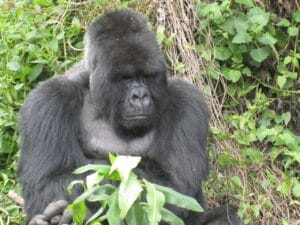
Akagera National Park: Classic African Safari Experience
Head out east, and you’ll find Akagera National Park—a place that’s nothing like Rwanda’s misty mountains. Instead, it’s all about wide-open savannahs, tangled wetlands, and lakes that shimmer in the heat. This is where elephants, lions, giraffes, and zebras roam. Thanks to years of hard work, Rwanda brought lions and rhinos back here, so you can actually see all of the “Big Five” when you visit. Game drives are the main event, but you can also hop on a boat safari across Lake Ihema or set out on foot with a guide. The best part? Akagera doesn’t get the crowds you’ll find in some of Africa’s more famous parks. You get the animals and the wild landscape, but it’s peaceful, almost private.
Lake Kivu: Relaxation and Scenic Beauty in Western Rwanda
Lake Kivu stretches out along Rwanda’s western border, right next to the Democratic Republic of the Congo. It’s one of Africa’s Great Lakes, with the kind of scenery that makes you want to just sit and stare—hills rolling down to the water, mountains in the background. Towns like Gisenyi and Kibuye are all about relaxing. People swim, kayak, take boat rides, or just hang out by the shore. You don’t have to worry about dangerous animals here either, so the lake’s actually safe for swimming and all kinds of water fun. The area isn’t just about the lake, though. You can visit coffee farms or meet local fishing communities. It’s the kind of place where you can unwind and still get a taste of real Rwandan life.
Rwandan Culture and Traditions: A Nation of Unity and Heritage
Culture runs deep in Rwanda. Music, dance, and stories handed down through generations—these are at the heart of it all. When you catch a traditional performance, with drums and dances echoing the country’s past, it’s easy to see how much history means here. At the King’s Palace Museum in Nyanza, you step back into pre-colonial Rwanda. Learn about royal traditions and see those iconic long-horned cattle—they’re symbols of pride and, honestly, they look majestic. Handicrafts matter here, too. Woven baskets aren’t just souvenirs; they’re a symbol of unity and skill, and pretty much every tourist wants to take one home. Rwanda takes community tourism seriously. Many villages open their doors to travelers, so you get real interactions, not just staged shows.
Rwanda’s Role in Global Tourism and Conservation
Rwanda’s made a name for itself as a leader in sustainable tourism. They don’t chase after huge crowds. Instead, they go for quality over quantity—high-value, low-impact travel. This way, the money from tourism goes straight into conservation and helps local communities. Kigali often hosts big international conferences and summits, which keeps Rwanda on the map. On top of that, strict rules—like a total ban on plastic bags—show the country means business when it comes to protecting the environment. More and more people see Rwanda as a model for responsible tourism in Africa.
Surrounding Countries and Regional Connections
Rwanda’s small, but its location is a big deal. Right in the heart of Africa, it connects East and Central Africa. It doesn’t have a coastline, but you’d be surprised at how important it is for travel, trade, and cultural exchange in the region. Rwanda borders Uganda to the north, Tanzania to the east, Burundi to the south, and the DRC to the west. If you’re planning a trip, doing research, or looking to invest, it pays to know who’s next door. Rwanda’s also part of the East African Community, making it easier for people and goods to move across borders. Cross-border tourism and business keep getting stronger every year. This guide digs into each neighboring country, the main travel routes, cultural links, business connections, and tourism options that tie Rwanda to the rest of Africa.
Uganda and Rwanda: Northern Border and Gorilla Tourism Connection
Up north, Rwanda’s main border is with Uganda—and it’s more than just a line on a map. The Virunga Mountains spill across both countries, creating one of Africa’s top spots for wildlife. Both Rwanda and Uganda are famous for mountain gorilla trekking. In Rwanda, people flock to Volcanoes National Park. In Uganda, it’s Bwindi Impenetrable Forest and Mgahinga Gorilla National Park. Gorillas wander between the two countries, so conservation teams work together to protect them. Trade and daily travel between the two countries are pretty common. There are solid road links between Kigali and Kampala, making it simple to cross back and forth. Lake Victoria sits in Uganda and Tanzania, and even though it’s not in Rwanda, shipments often pass through Ugandan ports before heading into Rwanda. So the connection goes beyond tourism—it’s about business too. Uganda plays a big part in Rwanda’s tourism and economy. It’s a partnership that matters.
Tanzania and Rwanda: Eastern Border and Trade Gateway to the Indian Ocean
On Rwanda’s eastern side, you’ll find Tanzania—a neighbor that’s much more than a line on a map. Since Rwanda doesn’t have its own coastline, Tanzania is its lifeline to the sea. The Port of Dar es Salaam opens the door to the Indian Ocean, making trade possible. Rwanda depends on these Tanzanian ports for moving goods in and out. So, their relationship is built on trade and logistics. Good roads and transport corridors now link Kigali straight to Dar es Salaam, making it easier and faster to move products and people between the two countries.
Tanzania is also a magnet for travelers. Think of the Serengeti, Mount Kilimanjaro, or the beaches of Zanzibar. A lot of tourists pair those with Rwanda’s famous gorilla trekking, hopping between the two countries for the ultimate East African adventure. Being part of the East African Community helps, too. Both Rwanda and Tanzania belong to this group, which means crossing borders and trading goods comes with less red tape. Over time, this partnership keeps improving, with better infrastructure and easier travel.
Burundi and Rwanda: Southern Neighbor with Shared Cultural Roots
Down south, Rwanda meets Burundi—a neighbor with whom it shares more than geography. The two countries have deep ties: the same ethnic groups, languages, and traditions run through both. Roads connect Rwanda with Burundi’s capital, Gitega, and its largest city, Bujumbura. There’s also Lake Tanganyika, one of the world’s deepest lakes, sitting in Burundi and serving as a key route for regional water transport. Sure, Burundi’s tourism scene isn’t as developed as Rwanda’s, but it has its own share of stunning scenery, cultural sites, and lakeside getaways. There’s real room for more travel and tourism between the two. With so much shared history and culture, the link between Rwanda and Burundi is as much about people and tradition as it is about economics.
Democratic Republic of the Congo and Rwanda: Western Border and the Great Rift Valley
To the west, Rwanda borders the Democratic Republic of the Congo (DRC), and this border is anything but ordinary. Lake Kivu and the dramatic landscape of the Albertine Rift Valley separate the two. Lake Kivu is a hub for fishing, travel, and tourism for both countries. On one side sits Gisenyi in Rwanda; on the other, Goma in the DRC. They’re practically neighbors across the water. The Virunga National Park in the DRC is part of the same mountain range as Rwanda’s Volcanoes National Park. Protecting wildlife—especially the mountain gorillas—means both countries have to work together. The DRC has its share of political and security challenges, but it’s also rich in resources and biodiversity. Rwanda’s western border matters—a lot—for both the environment and the economy.
Rwanda’s Role in the East African Community (EAC)
Rwanda plays an active role in the East African Community, a group that includes Uganda, Tanzania, Kenya, Burundi, South Sudan, and the DRC. The EAC pushes for closer economic ties, open borders, and easier travel. Thanks to the EAC, people in member countries can move around more freely. This makes tourism, education, and finding work much simpler. The EAC also backs major projects—roads, railways, digital networks—that help connect the region. Rwanda benefits from all of this, becoming a bigger player as a transport and conference hub in Africa. So, Rwanda’s connections go far beyond its neighbors. Through the EAC, its reach stretches across East Africa.
Transport and Trade Corridors Connecting Rwanda to the World
Rwanda doesn’t have a coast, but it hasn’t let that slow it down. It stays plugged into global trade through major regional routes. The Central Corridor runs from Rwanda to Dar es Salaam in Tanzania, while the Northern Corridor connects through Uganda to Kenya’s port of Mombasa. These routes are vital. They keep goods, travelers, and tourists moving in and out. Thanks to big investments in roads, journeys between Kigali and other capitals in the region have gotten much smoother. Kigali International Airport also plays a big part. It connects Rwanda to cities all over East and Central Africa—and even further—through its national airline. All of this keeps Rwanda closely tied to its neighbors and the wider world.
Cross-Border Tourism Opportunities Around Rwanda
Rwanda sits right in the middle of some of Africa’s best travel spots, which makes it easy to plan a trip that crosses a few borders. You could start with gorilla trekking in Rwanda, pop over to Uganda for a classic safari, and then find yourself lounging on Zanzibar’s beaches in Tanzania. It’s all closer than you’d think. Lake Kivu is another great example. Spend a few days there, then hop over to Lake Tanganyika in Burundi or head west for a safari in eastern Congo. Because the borders are nearby, you don’t need to fly—overland travel works just fine. Tour companies know this, so you’ll see a lot of packages that group East Africa together, rather than treating each country separately. Rwanda’s spot in the center helps a lot with this shared marketing, and the country benefits from being right in the middle of the action.
Cultural and Social Connections Across Borders
People living along Rwanda’s borders don’t just share land—they share languages, traditions, and family ties. Every week, local markets bustle with traders from both sides, keeping old relationships alive and making new ones. Music, dance, and stories spill easily across the borders of Rwanda, Burundi, Uganda, and the DRC. These shared traditions run deep, so cultural exchange isn’t just a buzzword here—it’s part of life. Kigali, Rwanda’s capital, draws people in for all kinds of events, from festivals to business conferences. Neighbors come from all around, strengthening the region’s sense of community and shared identity.
Rwanda’s Growing Influence in Central and East Africa
Look at the last ten years, and Rwanda’s reputation just keeps getting stronger. People see it as stable, safe, and well-run. Because of that, international groups and investors now treat Rwanda as a key entry point to the African market. Kigali hosts big regional and international gatherings, bringing together leaders from across East and Central Africa. Rwanda’s influence is growing—not just in tourism, but in politics and business too.
Best Time to Visit Rwanda for Tourism
Rwanda’s climate is mild and pleasant, thanks to its highland setting. The dry seasons—June to September, and December to February—are the best for trekking and safaris. Trails are easier, and wildlife is easier to spot. If you visit during the rainy season, you’ll find the country lush and green, and you won’t have to share it with many other tourists. The weather is comfortable all year, though, so you can plan your trip whenever you want.
Conclusion
Rwanda is a story of resilience, beauty, and progress. Whether you’re tracking gorillas in Volcanoes National Park or unwinding by Lake Kivu, the experiences stick with you. The country’s neighbors play a big part in shaping tourism and development—Uganda adds to the wildlife adventures, Tanzania connects Rwanda to the ocean and trade, Burundi shares deep cultural ties, and the DRC brings more ecological variety. Rwanda also stands out for how clean, safe, and sustainable it is. The wildlife, the culture, and the warmth of its people keep drawing travelers from around the world.
Author

sadikhan.ceo@gmail.com
Related posts
Slovakia
- 0
- 2,323 words
Slovakia : Discover the Hidden Gem of Central Europe Tucked right in the heart of Central Europe, Slovakia is one of those...
Read out all
Singapore
- 0
- 2,246 words
Singapore : A Global City and Travel Hub Singapore’s one of those places where modern life and nature seem to fit together...
Seychelles
- 0
- 2,644 words
Seychelles : A Dream Destination in the Indian Ocean You hear about places as “dream destinations” all the time, but Seychelles totally...
Serbia
- 0
- 2,789 words
Serbia Travel Guide: Regions of the Balkan Nation Serbia sits right at the heart of the Balkans, and honestly, it’s one of...
Read out all
Senegal
- 0
- 2,277 words
Senegal Travel Guide: Discover the Culture, History, Tourism, and Surrounding Regions of West Africa Welcome to Senegal—a place that really captures the...
Read out all
Saudi Arabia
- 0
- 2,914 words
Saudi Arabia: A Powerful Nation in the Middle East and Global Importance of the Kingdom Saudi Arabia stands out as one of...
Read out all