
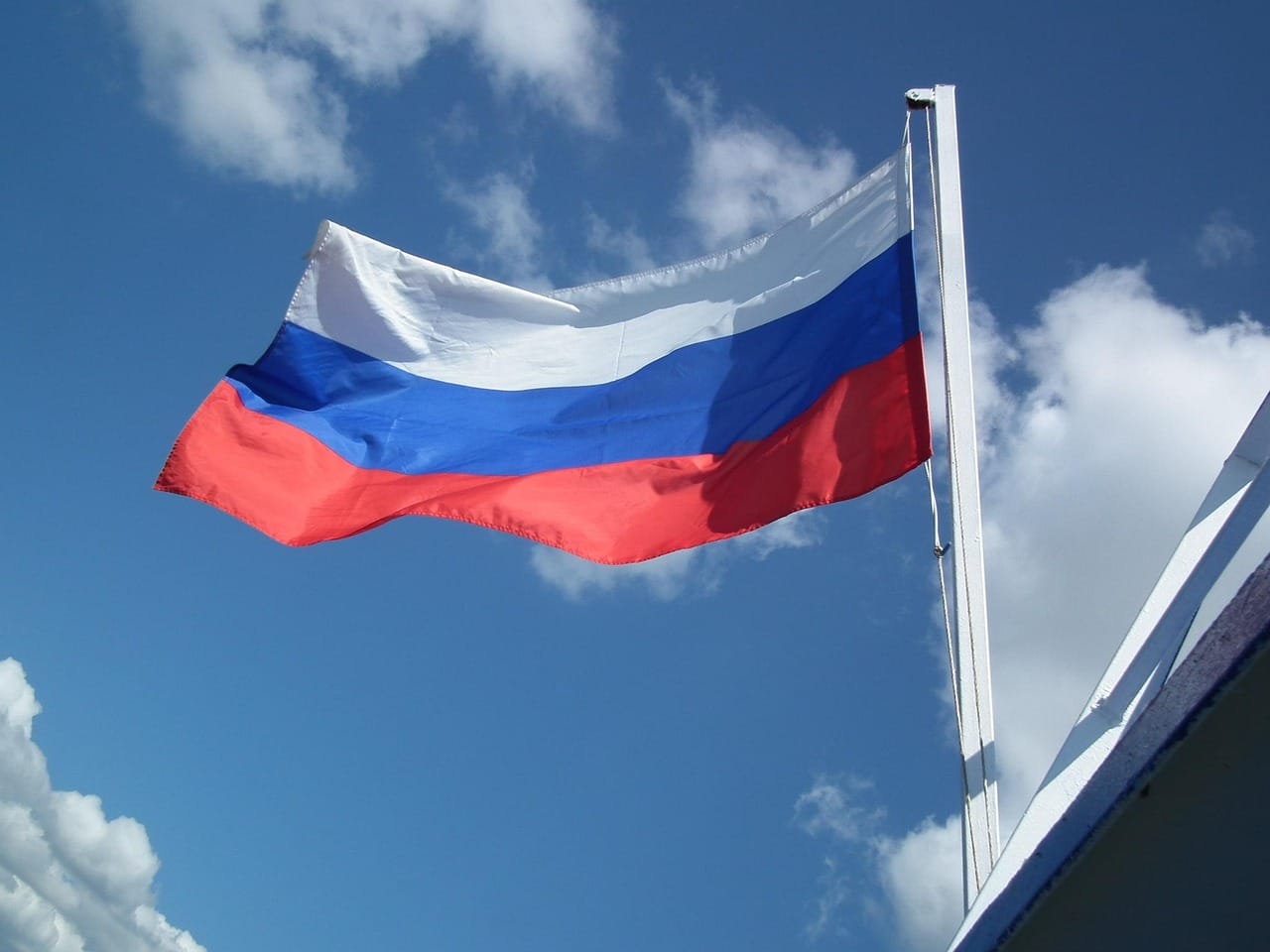
Russia Federation : One of The Largest Country in World
Russia isn’t just the largest country on the map—it’s a place that sprawls across Eastern Europe and Northern Asia, taking up more than an eighth of all the land people live on. That’s huge. With all that space, Russia packs in just about every kind of landscape and climate you can imagine. There’s the busy, historic buzz of Moscow, the icy, endless wilds of Siberia, and everything in between. If you want variety, Russia’s got it—no two trips feel the same. It’s not just the size that makes Russia stand out. Because it sits on both Europe and Asia, you get this striking mix of cultures, ideas, and traditions. You can feel it in the food, the art, even the way cities look and sound. Russia connects two continents, and you see that everywhere. It’s a country that matters on the world stage—politically, culturally, economically. People pay attention to what happens here.
Geography of Russia: Vast Landscapes and Natural Diversity
When you look at a map, Russia’s geography jumps out right away. There are forests that seem to go on forever, soaring mountains, endless plains, icy tundra, huge rivers, deep lakes, and long, dramatic coastlines. Russia shares borders with more countries than almost anyone else. That alone says a lot. Head west and you’ll find flat, rich land—perfect for farming and big, bustling cities. But travel east and everything changes. The Ural Mountains split Europe from Asia, and past them you hit Siberia, where the forests get thicker, the spaces get wider, and winters turn seriously cold. Lake Baikal sits out there too—the deepest freshwater lake on the planet, holding more water than you’d expect. It’s a magnet for nature lovers and anyone who wants to see something truly wild.
Climate of Russia: From Arctic Cold to Mild Southern Regions
Russia’s weather doesn’t sit still. Up north, it’s all Arctic—long, brutal winters where the cold bites hard. Down south, it’s a different story. Places like Sochi by the Black Sea get warm and even subtropical. Moscow and Saint Petersburg? Cold, snowy winters, but the summers are surprisingly nice. This wild range means you can visit for whatever kind of adventure you’re after. Winter? Go skiing, check out snow festivals, or just watch a city wrapped in frost. Summer? Hike, join a river cruise, or dive into one of the country’s many festivals.
History of Russia: From Ancient Rus to Modern Federation
Russia’s story starts way back with the early Slavic tribes, then grows into Kievan Rus and, later, the powerful Russian Empire. Moscow rises in importance, and over the centuries, Russia stretches across continents. The 20th century shakes things up. The 1917 Revolution brings the Soviet Union, which becomes a superpower for decades. Then, in 1991, the Soviet Union falls apart, and Russia stands on its own again.
Culture and Traditions of Russia: A Blend of East and West
Russian culture runs deep. The country gave us literary giants like Tolstoy and Dostoevsky. Russian ballet and classical music have fans all over the globe. But it’s not just the arts—traditions here are colorful and lively. Think of the food: borscht, pelmeni, blini. Every region has its own spin, shaped by a patchwork of ethnic backgrounds. Festivals burst with color, and traditional clothing adds even more flair. Religion matters too, especially Orthodox Christianity. Those golden-domed churches aren’t just pretty—they’re a huge part of how Russia sees itself.
Tourism in Russia
Traveling in Russia is an adventure like no other. You get a mashup of old and new, city and wilderness, east and west. With so much land, you can pick your climate, your culture, your pace. Whether you’re staring up at the gold domes in Moscow or braving the cold in Siberia, Russia leaves a mark. There’s always something different to discover. Russia isn’t just icy winters and ornate palaces. The country bursts with art, lively festivals, and wild scenery—think mountains, lakes, forests, and long stretches of beach. No wonder more and more travelers are catching on to Russia’s incredible mix of culture and landscapes.
Why Visit Russia: Unique Travel Experiences in Europe and Asia
Russia stands out because it blends European sophistication with the untamed beauty of Asia. Out west, you’ll wander through cities that feel like open-air museums, full of grand architecture and old town squares. Head east, and it’s a different world—endless wilderness, peaceful silence, and nature pretty much untouched. You’ll also run into plenty of UNESCO World Heritage Sites scattered across the country. Some spots take you back to ancient monasteries or royal palaces; others drop you into medieval towns or breathtaking natural wonders. It’s all right there, sometimes just a train ride apart. Traveling in Russia doesn’t have to break the bank, either. Stay in a luxury hotel in Moscow, or pick a cozy guesthouse near Lake Baikal. There’s something for every budget and travel style.
Moscow Tourism: Exploring the Capital of Russia
Moscow sits at the center of Russia’s travel scene. It’s the beating heart of politics, business, and culture. Here, old and new mix together—historic sites rub shoulders with glass towers, and the nightlife never seems to slow down. Red Square draws crowds for a reason. You can’t miss Saint Basil’s Cathedral with its wild, colorful domes. Just steps away, the Kremlin looms, home to the President and packed with churches, museums, and centuries-old buildings. It’s a crash course in Russian history and power. But Moscow isn’t just about monuments. The Bolshoi Theatre puts on world-famous ballet and opera, and even the Metro feels like an art gallery, with chandelier-lit stations and mosaics everywhere you look.
Saint Petersburg Tourism: The Cultural Capital of Russia
Saint Petersburg feels like a living painting. Peter the Great built it to show off European style, and it still stuns visitors today. At the center of it all: the Hermitage Museum. Tucked inside the Winter Palace, it holds millions of pieces of art, from European masters to treasures from all over. Art fans make pilgrimages here just to soak it all in. The city’s canals and bridges add to the magic, especially during the White Nights Festival in summer. When the sun barely sets, Saint Petersburg turns into a nonstop party of music, culture, and glowing twilight. You can wander late and never feel the night closing in.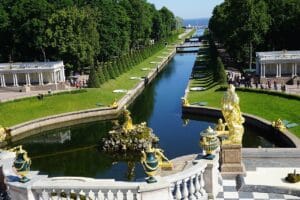
Lake Baikal Tourism: Discover the Deepest Lake in the World
Lake Baikal draws nature lovers like a magnet. Tucked away in Siberia, it’s the world’s deepest—and one of the oldest—lakes, holding a huge chunk of the planet’s fresh water. If you show up in winter, you’ll find a vast, glassy sheet of ice you can walk, skate, or even drive across. Summer is all about hiking, camping, boat trips, and spotting wildlife you won’t find anywhere else.
Sochi Tourism: Russia’s Black Sea Beach and Mountain Resort
Sochi flips the script on what most people expect from Russia. Perched on the Black Sea, the city gets way more sun and warmth than you’d think. It’s famous for hosting the Winter Olympics and for being a go-to spot no matter the season. Come summer, you’ll find people lounging on the beach and swimming in the sea. Winter? The mountains call—with skiing and snowboarding just a short drive away. Since Sochi sits between the coast and the Caucasus peaks, you get the best of both worlds.
Cultural Tourism in Russia: Literature, Ballet, and Traditions
Cultural tourism in Russia pulls you straight into its rich artistic world. Think of writers like Tolstoy and Dostoevsky—giants whose stories shaped not just Russian literature, but the world’s. You can actually step inside their old homes, wander through museums, and get a real feel for how they lived and worked. And then there’s Russian ballet. People come from all over just to catch a show in Moscow or Saint Petersburg. It’s not just ballet, either—music, opera, and colorful traditional festivals are everywhere and draw crowds every year.
Adventure and Nature Tourism in Russia
If you’re more into outdoor adventures, Russia’s got endless options. Huge forests, wild mountains, and winding rivers set the scene for hiking, fishing, rafting, and spotting wildlife. Kamchatka is wild—volcanoes and steaming hot springs everywhere. The Altai Mountains? Raw, stunning nature and a chance to see nomadic traditions still alive today.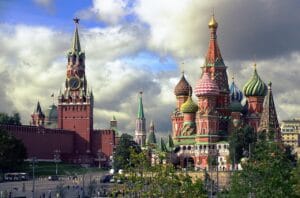
The Trans-Siberian Railway: A Legendary Travel Experience
Speaking of the Trans-Siberian Railway—this isn’t just a train ride, it’s a legend. It stretches all the way from Moscow to Vladivostok, crossing thousands of kilometers. You see everything: shifting landscapes, new cultures, big cities, tiny villages. For a lot of travelers, riding this train is a once-in-a-lifetime trip.
Best Time to Visit Russia for Tourism
So, when’s the best time to go? Depends on what you want. Summer, from June to August, is perfect for sightseeing and soaking up festivals. Cities buzz with life. But winter in Russia is something special: snow everywhere, Christmas markets, giant ice sculptures, winter sports. It feels magical. Spring and autumn are quieter—easier on the wallet, too—so they’re good if you want to avoid the crowds.
Travel Tips for Visiting Russia
Before you go, make sure you check the visa rules. Most big cities have international airports, and getting around by public transport is pretty easy. Learning a few Russian phrases goes a long way, even though you’ll find English speakers in popular spots. And don’t forget: dress for the season—Russian winters are no joke.
Surrounding Countries and Regions Around Russia
Now, about Russia’s neighbors. It’s the world’s biggest country, so it borders a ton of others, stretching from Eastern Europe all the way into Northern Asia. Russia links up with European countries in the west, Central Asia down south, East Asia to the southeast, and the Arctic up north. Plus, its coastlines touch a bunch of seas and oceans. Russia’s more than just a country; it’s a bridge between continents, mixing cultures and landscapes in ways you won’t see anywhere else. 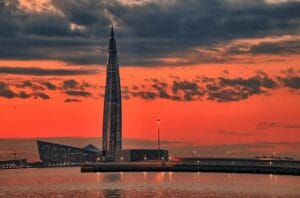
Norway: Arctic Beauty and Northern European Charm
Let’s look at some of its neighbors. Up in the northwest, Russia meets Norway, right near the Barents Sea in the Arctic. The border’s short, but important. Norway’s famous for dramatic fjords, northern lights, and peaceful scenery. Lots of travelers pair a trip to Russia’s Murmansk with a hop over to northern Norway—perfect for chasing the aurora or trying winter sports. Norway’s modern eco-tourism scene stands in sharp contrast to Russia’s wilder Arctic, and together, they make for a pretty unique northern adventure.
Finland: Forests, Lakes, and Cultural Connections
Then there’s Finland, which shares a long border with Russia. The history and cultural ties run deep. Saint Petersburg and Helsinki are so close that many people just travel back and forth, soaking in the best of both cities. Finland sits right next to Russia, and it’s famous for its thousands of lakes, spotless cities, and a lifestyle that feels calm and unhurried. Since Saint Petersburg is just a stone’s throw from the border, people often zip between the two countries by train or bus. Honestly, it’s probably the easiest Russian neighbor for international travelers to reach.
Estonia: Baltic History and Medieval Architecture
Head south from Finland, and you hit Estonia. The border isn’t huge, but it plugs Russia straight into the heart of the Baltics. Tallinn, Estonia’s capital, draws people in with its medieval old town — it’s like stepping into a fairy tale. Because it’s so close to Saint Petersburg, lots of travelers visit both in one trip. There’s a real contrast: Russia’s grand, imperial buildings on one side, Estonia’s smaller, old-world streets on the other. It makes for a pretty well-rounded travel experience. Estonia’s also in the European Union, so it’s a handy entry point for anyone moving between Russia and Western Europe.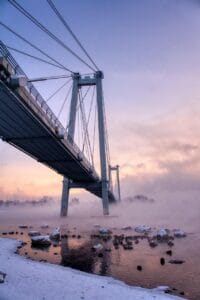
Latvia: Baltic Culture and Scenic Coastlines
Latvia shares a western border with Russia too. Riga, the capital, is packed with Art Nouveau buildings and hosts lively festivals year-round. Latvia sits right on the Baltic Sea, so you get scenic coastlines and beach towns that tie into Russia’s western regions. Travelers interested in Baltic culture and history often swing through Latvia after visiting western Russia. You can see echoes of Russian history and influence throughout Latvia, which keeps the cross-border flow of people — and trade — going strong.
Lithuania: A Gateway Between Russia and Europe
Lithuania doesn’t touch mainland Russia, but it borders Kaliningrad, a Russian exclave wedged between Poland and Lithuania. Kaliningrad is technically Russian territory, just cut off from the rest of the country. Lithuania itself offers charming old towns, castles, and a strong sense of European identity. Since Kaliningrad sits right between Poland and Lithuania, travelers often use Lithuania as a base to explore the whole Baltic region.
Poland: Central European Access Near Kaliningrad
Poland borders Russia’s Kaliningrad region, but not the Russian mainland. Still, it matters a lot for the area’s connections and travel routes. Poland’s big cities — Warsaw, Kraków — pull in tourists from all over. And people exploring Eastern Europe sometimes link trips to Poland, the Baltics, and western Russia. Shared history and trade keep Poland woven into the larger regional web surrounding Russia..
Belarus: Close Political and Cultural Ties
Belarus has a long border with western Russia, and the two countries are tightly linked — politically and culturally. Minsk, the capital, is known for its wide boulevards and Soviet-era buildings. Because of its central spot, Belarus is a main route for travelers moving between Moscow and Central Europe. The language and history they share bring the two countries even closer. Belarus really is a key piece in regional travel and movement around Russia.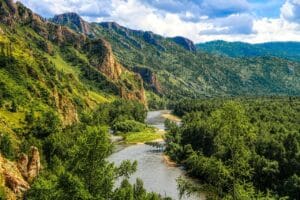
Ukraine: Shared History and Black Sea Access
Ukraine runs along Russia’s southwest, and the two have a long, complicated history — political, cultural, economic, you name it. The border stretches from eastern Europe all the way down to the Black Sea. Ukraine is packed with things to see: Kyiv’s golden-domed churches, Lviv’s old town with its European flair, and beaches along the Black Sea. That southern coastline matters — it connects Russia to southeastern Europe and important sea routes.
Georgia: Caucasus Mountains and Cultural Diversity
South of Russia, across the wild Caucasus Mountains, you find Georgia. The scenery here is dramatic — soaring peaks, mountain villages, centuries-old churches. The whole region draws adventurous travelers. Lots of people exploring southern Russia hop over to Georgia for hiking, wine, and a taste of its unique culture. With its beautiful mountains and cities like Tbilisi, Georgia really anchors regional tourism in the south around Russia.
Azerbaijan: Caspian Sea and Energy Hub
Azerbaijan sits right on Russia’s southern border, close to the Caspian Sea. It’s a place where sleek modern buildings meet old traditions, and somehow, it just works. You can’t really mention Azerbaijan without talking about Baku. The capital’s got a skyline that turns heads and a seaside walkway that’s always buzzing. Since both Russia and Azerbaijan hug the Caspian, they’re tied together by trade and tourism that flow along the coast.
Kazakhstan: Vast Steppe and Central Asian Connection
Kazakhstan and Russia? Their border goes on forever—or at least, it feels that way. It’s the longest continuous land border Russia has, and that makes Kazakhstan a major player next door. Kazakhstan brings wide, open steppes and cities like Astana that feel both new and steeped in nomadic history. Thanks to that huge border, people and goods move easily, and the two countries have built strong ties for business and travel.
China: Powerful Neighbor in East Asia
To the southeast, Russia meets China. That border connects Siberia straight into northeastern China. China isn’t just a neighbor—it’s one of Russia’s top economic partners. Cities like Vladivostok sit right near the border and thrive off cross-border trade and a steady stream of visitors from China.
Mongolia: Desert Landscapes and Nomadic Heritage
Mongolia sits between Russia and China, stretching along the edge of southern Siberia. This is a land of desert and endless grassland, home to people who’ve kept their nomadic ways alive for centuries. The Trans-Siberian Railway even passes through Mongolia, tying Moscow to Beijing and giving Mongolia a unique spot in the region’s travel scene.
Maritime Borders and Arctic Regions
Russia’s borders aren’t just on land. The country faces Japan and the United States across the water—the Bering Strait separates Russia from Alaska. Even though there’s ocean between them, these connections matter. Up north, Russia’s coastline stretches into the Arctic Ocean. That means Arctic exploration, polar cruises, and shipping routes all play a part in Russia’s story.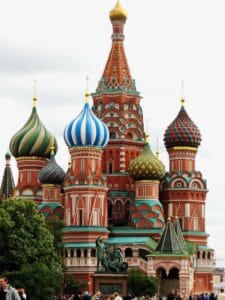
Transportation and Travel in Russia
Getting around Russia? It’s an adventure in itself. The Trans-Siberian Railway is legendary—it covers thousands of kilometers and takes you through shifting landscapes you just can’t see anywhere else. If you’re in a hurry, planes link up the biggest cities in no time. Or, for something slower, river cruises let you soak up the scenery at a different pace. There’s no shortage of ways to travel—just pick what suits your style.
Conclusion
Russia is a land of extremes—huge distances, deep history, and a culture that keeps surprising you. Whether you’re wandering city streets in Europe or hiking in wild, empty spaces in Asia, there’s always something new. The countries that surround Russia add even more layers to the experience. Traveling here means diving into traditions, stories, and adventures you won’t find anywhere else. If you’re looking for culture, nature, or just a change of scene, Russia’s ready for you.
Author

Related posts
OPEC
- 0
- 5,679 words
OPEC OPEC stands for the Organization of the Petroleum Exporting Countries. It is an intergovernmental organization created by major oil-producing countries to...
Read out all
How Do I Find Reliable Wholesale Suppliers
- 0
- 9,103 words
How Do I Find Reliable Wholesale Suppliers ? Finding reliable wholesale suppliers is one of the most important tasks for anyone starting...
Read out all
What Is Happening in the World?
- 0
- 5,355 words
What Is Happening in the World? The world is currently experiencing a period of overlapping crises and opportunities. Political disputes, military conflicts,...
Read out all
BRICS
- 0
- 5,794 words
BRICS : History, Members, Economy, Goals, Expansion and Global Influence BRICS is an international grouping of major emerging economies and developing countries...
Read out all
United Kingdom
- 0
- 5,089 words
United Kingdom The United Kingdom, commonly known as the UK, is one of Europe’s most fascinating travel destinations. Officially called the United...
Read out all
Bhutan
- 0
- 4,154 words
Bhutan Travel Guide Bhutan is one of the most fascinating travel destinations in Asia, offering an extraordinary combination of Himalayan landscapes, Buddhist...
Read out all