
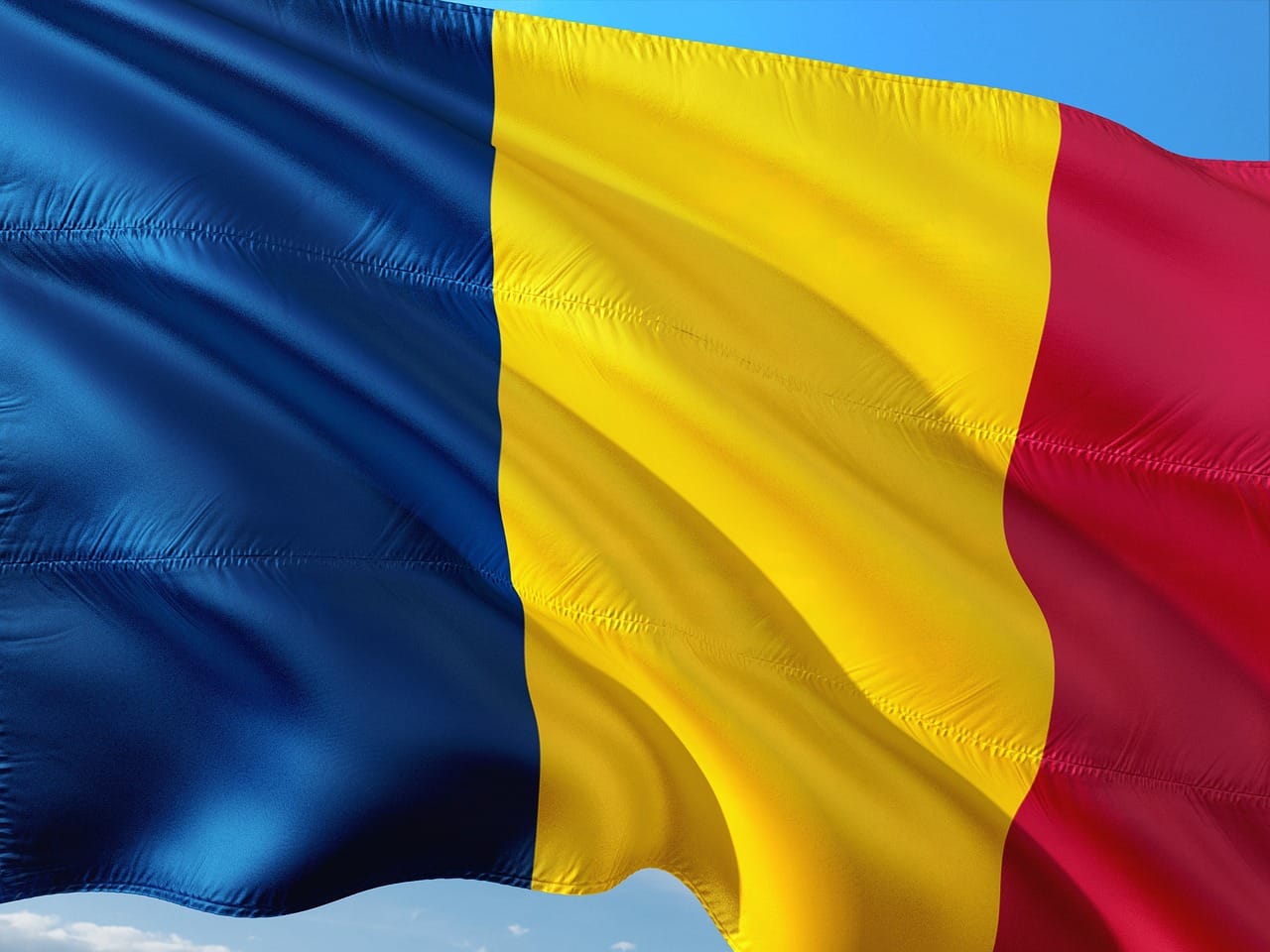
Romania Travel Guide – A Country at the Crossroads of Europe
Romania sits right where Central Europe, the Balkans, and Eastern traditions all run into each other. This isn’t just a place on the map—it’s a crossroads, and you feel it everywhere you go. The country has soaked up bits of everything around it, so you get this wild mix of cultures, landscapes, and stories everywhere you turn. Lately, more and more people have started catching on. Travelers looking for something real—mountains, castles, laid-back villages, and depth—have started showing up. Plus, it’s not going to break the bank. Romania’s known for being affordable, with people who actually seem happy to see you, and sights you’ll remember for years. But let’s get something straight: Romania isn’t just about Dracula’s castle and spooky legends. It’s long stretches of peaceful countryside, dramatic green mountains, cities buzzing with life, and a sun-soaked coastline. Each region feels a little different, and you start to realize you’re getting a dozen different flavors of Europe in one trip. That mix—history, wild nature, good food, and a modern pulse—makes Romania the kind of place you keep thinking about after you’ve left.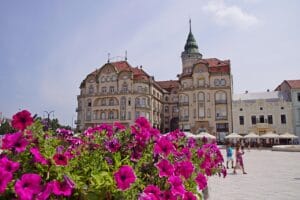
Geographic Location of Romania and Its Global Importance
You’ll find Romania in southeastern Europe, pressed up against Hungary, Serbia, Bulgaria, Ukraine, and Moldova. It touches the Black Sea too, which isn’t just great for summer holidays but also matters for trade. That spot on the map means Romania’s always been in the middle of things—trade, wars, empires passing through, ideas bouncing around. The Carpathian Mountains slice right through the middle of the country, shaping the weather, the views, and even how people live. These mountains split Romania into regions, each with its own look and spirit. Sometimes it almost feels like you’re hopping between different countries as you travel from one area to the next.
Romanian History and Cultural Identity
Romania’s story goes way back. You’ve got ancient tribes, Romans, medieval rulers, and more modern European influences all piled on top of each other. Every era left something behind—castles, churches, bits of language, and traditions you still see today. And culture here isn’t just history. It’s alive, especially outside the cities. In villages, people still wear traditional clothes for festivals, play old music, and celebrate ancient customs. Romania hasn’t locked its culture away in museums; it’s still part of daily life. If you want something authentic, you’ll feel it as soon as you step off the highway and into a small town.
Romania Tourism Overview: Why Romania Is a Rising Travel Destination
Tourism in Romania has really picked up lately. People want places that haven’t been steamrolled by mass tourism, that have real stories and scenery, and that don’t cost a fortune. Romania checks all those boxes. It sits at this weird, perfect intersection of familiar and totally new—part Central European, part Balkan, with its own twist. And here’s the best part: it’s not overcrowded. You can wander old streets or hike in the mountains without fighting off selfie sticks or tour groups. Whether you’re a backpacker, a family, a history buff, or someone who just wants to wander, Romania gives you space to breathe.
Cultural Tourism in Romania: History, Traditions, and Heritage
Cultural tourism is a big deal here. The country’s history runs deep, from ancient days right up to the present, and you see it everywhere—in the buildings, the music, even the food. Travel around, and you’ll notice that traditions haven’t faded into the background; people still live them out. Folk dancing, hand-embroidered shirts, religious festivals—they’re not just for show. In the countryside, these things are part of real life. That’s what sets Romania apart: the culture isn’t frozen in time or put behind glass. Visitors get to join in, not just watch, and that sticks with you.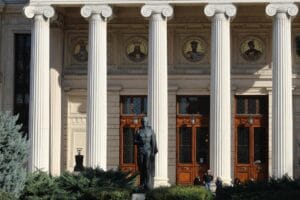
City Tourism in Romania: Exploring Urban Life and Architecture
Romanian cities are their own adventure. Bucharest, the capital, is where most people land. It’s a mix of grand old boulevards, quirky churches, leftover communist blocks, and shiny new malls. The Palace of the Parliament is hard to miss—huge, a little bit absurd, and definitely worth a look. But Bucharest isn’t the whole story. Head to places like Brașov, Sibiu, Cluj-Napoca, or Timișoara. These cities are packed with colorful old towns, lively festivals, universities, and a café culture that makes it easy to slow down.
Transylvania Tourism: Castles, Medieval Towns, and Legends
Transylvania is Romania’s best-known region, no question. Tucked behind the Carpathian Mountains, it’s packed with medieval towns, fortified churches, and those famous castles everyone’s heard about. Sure, most people come chasing the Dracula story, but honestly, Transylvania is a lot more than just old legends. Cities like Brașov and Sibiu still hold onto their medieval looks and vibrant local culture. Bran Castle gets all the attention—thanks to its Dracula link and its wild perch in the mountains—but it’s the real stories and history that draw people in.
Nature and Eco-Tourism in Romania: Mountains, Forests, and Wildlife
Nature lovers feel right at home in Romania. The Carpathians cut across the country, offering up hiking trails, ski runs, mountain biking routes, and chances to spot wildlife. If you’re into bears, wolves, or lynx, this is the place—Romania’s got some of Europe’s largest populations. The forests stretch on and on, rivers run clear, and many nature parks feel almost untouched. Travelers who care about the environment come here for the raw beauty and the quiet, away from crowds. This is why eco-tourism keeps growing in Romania, especially as more people look for ways to travel responsibly.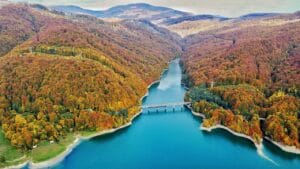
Rural Tourism in Romania: Authentic Village Experiences
If you want to see real Romanian life, head out to the villages. People there still live close to nature and stick to old traditions. Visitors often stay in local guesthouses, eat homemade food, and join in with village routines—it’s a real connection, not just a quick visit. Maramureș is famous for this kind of travel. The wooden churches, carved gates, and bright folk costumes make you feel like you’ve stepped into the past.
Black Sea Tourism in Romania: Beaches and Coastal Culture
The Black Sea coast is a whole different vibe. In summer, the beach resorts fill up with people looking for sun, warm water, and a bit of fun. Constanța leads the way—it’s the biggest coastal city and one of the oldest in the country. There’s more than just sand, though. You’ll find old ruins, long seaside walks, and plenty of fresh seafood. So whether you’re after relaxation or a bit of history, the coastline has you covered.
Danube Delta Tourism: One of Europe’s Natural Wonders
The Danube Delta is something special. Protected by UNESCO, this maze of waterways and wild villages is packed with birdlife. Hop on a boat, and you can drift right through the heart of it without leaving a mark. Fishing, birdwatching, and quiet eco-lodges are big here. The peace and the sheer variety of wildlife make it a dream for anyone who wants a real break from city noise.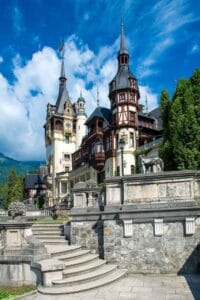
Food and Wine Tourism in Romania
Romanian food is all about comfort and tradition. Think hearty soups, grilled meats, garden vegetables, and desserts that taste like childhood. Most recipes have been in families for generations, and every meal feels like a piece of local history. Wine is having its moment, too. Romania’s one of Europe’s oldest wine regions, and more vineyards are opening their doors to visitors. Wine tasting isn’t just about the drinks—it’s a way to hear stories and really get what Romanian culture is about.
Best Time for Tourism in Romania
Romania works year-round, depending on what you want to see. Spring and fall are great for exploring towns and soaking in the culture—weather’s mild and pleasant. Summer’s made for hiking in the mountains or hitting the Black Sea beaches. Come winter, ski resorts and festive markets pop up and draw in the crowds.
Surrounding Countries and Regions Around Romania
Romania doesn’t stand alone—its neighbors add to its appeal. Hungary sits to the west, making cross-border trips easy and bringing a shared history. Serbia’s just southwest, adding a bit of Balkan flavor and river adventures along the Danube.
Romania’s Strategic Location in Eastern Europe
Romania sits right where Central Europe, the Balkans, and Eastern Europe all come together—a pretty unique spot on the map. Because of this, Romania borders all kinds of countries, each with its own scenery, culture, and vibe. It’s no surprise that travelers often use Romania as a jumping-off point to explore the region. Crossing borders here isn’t just easy—it’s actually part of the fun. Getting around is simple, too. Roads, trains, rivers, and even the shared history tie Romania to its neighbors. For anyone curious about Eastern or Central Europe, Romania makes a perfect travel hub.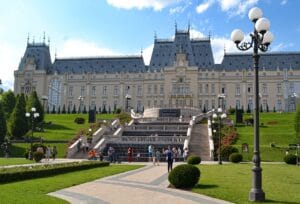
Hungary: Romania’s Western Neighbor with Shared History
Head west, and you’ll hit Hungary. The two countries share a long, tangled history, especially around Transylvania. Walk through cities in western Romania, and you’ll spot Hungarian touches in the buildings and street life. It just feels natural to cross from one country to the other. A lot of people pop over to Budapest for its famous baths, bridges, or just a cruise along the Danube. The transport links are solid, so Hungary is often the first stop for travelers heading out from Romania.
Serbia: Cultural and Natural Diversity Along the Southwest Border
To the southwest, you’ll find Serbia. The Danube River flows between them, especially near the dramatic Iron Gates gorge—definitely worth a visit. Serbia blends Balkan energy, history, and natural beauty in a way that draws in travelers after their Romanian adventures. People come for the lively cities, the friendly atmosphere, and prices that won’t break the bank. The cultures overlap enough to make it feel familiar, but there’s still plenty new to discover.
Bulgaria: Romania’s Southern Neighbor Across the Danube River
South of Romania, just across the Danube, sits Bulgaria. That river has always connected the two, and now there are bridges and ferries making the trip a breeze. Lots of travelers combine both countries in one go—medieval towns, old monasteries, and Black Sea beaches are all close by. Bulgarian culture feels a bit like Romania’s but still has its own twist that keeps things interesting.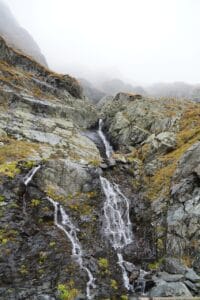
Ukraine: Natural Beauty and Cultural Heritage to the North
Ukraine lies to the north and northeast. Here, you get wild landscapes, old villages, and a deep well of folklore. Northern Romania and western Ukraine have roots that run together—especially when it comes to wooden churches and rural traditions. Nature lovers and anyone curious about authentic rural life often cross this border. The region adds serious depth for anyone interested in history and culture.
Moldova: Romania’s Closest Cultural Neighbor
To the east, there’s Moldova—Romania’s closest cousin, culturally speaking. They share a language, a lot of history, and plenty of traditions. For some visitors, crossing into Moldova feels less like entering a new country and more like visiting extended family. Wine lovers and fans of rolling countryside especially enjoy Moldova. The similarities make it easy to feel at home, but there’s still a distinct local flavor to discover.
The Black Sea Region: Romania’s Eastern Coastal Connection
Romania’s eastern edge meets the Black Sea, opening up a whole new set of possibilities. This coastline brings in maritime history, sunny beaches, and a different kind of culture altogether. From here, it’s possible to connect with places like Turkey, Georgia, or other Black Sea destinations. Romania’s coast weaves it into a bigger travel network, one that links Europe with Asia.
The Balkan Region: Romania’s Southern Cultural Influence
Even though Romania isn’t always grouped with the Balkans, the ties are strong—history, trade, music, food, festivals, you name it. You can feel the Balkan influence everywhere. Travelers often get inspired to keep going south, deeper into the Balkans. These connections add flavor and variety to any trip, and they really show how Romania pulls together different strands of European culture.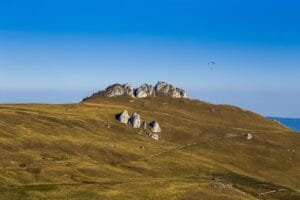
Central Europe Connection: Romania as a Gateway Region
Romania sits right at the crossroads of Central Europe, especially along its western border. You can hop from Romania straight into Hungary or Austria with hardly any hassle. The roads and trains make it easy, and you get this sense of the continent tying together — shared history, shared roots. That’s why a lot of travelers slot Romania into bigger European trips. It’s like the missing puzzle piece that pulls everything together.
Best Time to Visit Romania for Tourism
Honestly, you can visit Romania any time of year. It just depends on what you’re after. Spring and fall? The weather’s gentle and there aren’t so many tourists. Summer is perfect if you want to hike in the mountains or spend lazy days by the Black Sea. And in winter, the ski resorts and Christmas markets light up the whole country.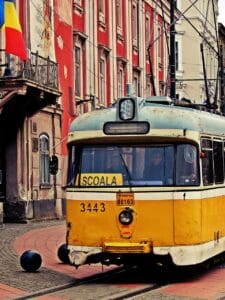
Why Romania Is a Hidden Gem for Global Travelers
People still call Romania a hidden gem — and they’re not wrong. You’ll find castles, wild landscapes, prices that won’t empty your wallet, and locals who actually seem happy to see you. It’s not swamped with crowds, either. You can just wander, take things at your own pace, and actually feel the place. Even as more travelers catch on, Romania hasn’t lost what makes it real. That’s why a trip here feels personal, genuine — the kind of experience you remember.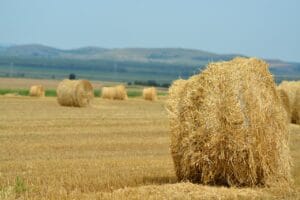
Conclusion
Romania has a bit of everything — ancient ruins, lively cities, mountains, beaches, old traditions, and new ideas. It’s right in the heart of Europe, and it shows. The country draws you in, not just for a one-off visit, but again and again. Every trip uncovers something new, something that keeps you coming back. If you’re looking to really connect with Europe, Romania’s the place to start.
Official Europe Travel Portal
- Visit Europe — Official tourism portal for discovering European destinations, attractions, cultural experiences, and travel ideas.
European Union Travel Information
- Your Europe – Travel — Official EU information about travel documents, passenger rights, driving abroad, luggage restrictions, and travel regulations.
- Travel to Europe – Official EU Portal — Information about European travel entry systems, including the Entry/Exit System (EES) and ETIAS.
Author

Related posts
OPEC
- 0
- 5,679 words
OPEC OPEC stands for the Organization of the Petroleum Exporting Countries. It is an intergovernmental organization created by major oil-producing countries to...
Read out all
How Do I Find Reliable Wholesale Suppliers
- 0
- 9,103 words
How Do I Find Reliable Wholesale Suppliers ? Finding reliable wholesale suppliers is one of the most important tasks for anyone starting...
Read out all
What Is Happening in the World?
- 0
- 5,355 words
What Is Happening in the World? The world is currently experiencing a period of overlapping crises and opportunities. Political disputes, military conflicts,...
Read out all
BRICS
- 0
- 5,794 words
BRICS : History, Members, Economy, Goals, Expansion and Global Influence BRICS is an international grouping of major emerging economies and developing countries...
Read out all
United Kingdom
- 0
- 5,089 words
United Kingdom The United Kingdom, commonly known as the UK, is one of Europe’s most fascinating travel destinations. Officially called the United...
Read out all
Bhutan
- 0
- 4,154 words
Bhutan Travel Guide Bhutan is one of the most fascinating travel destinations in Asia, offering an extraordinary combination of Himalayan landscapes, Buddhist...
Read out all