
Hong Kong – Asia’s most dynamic and exciting Cities
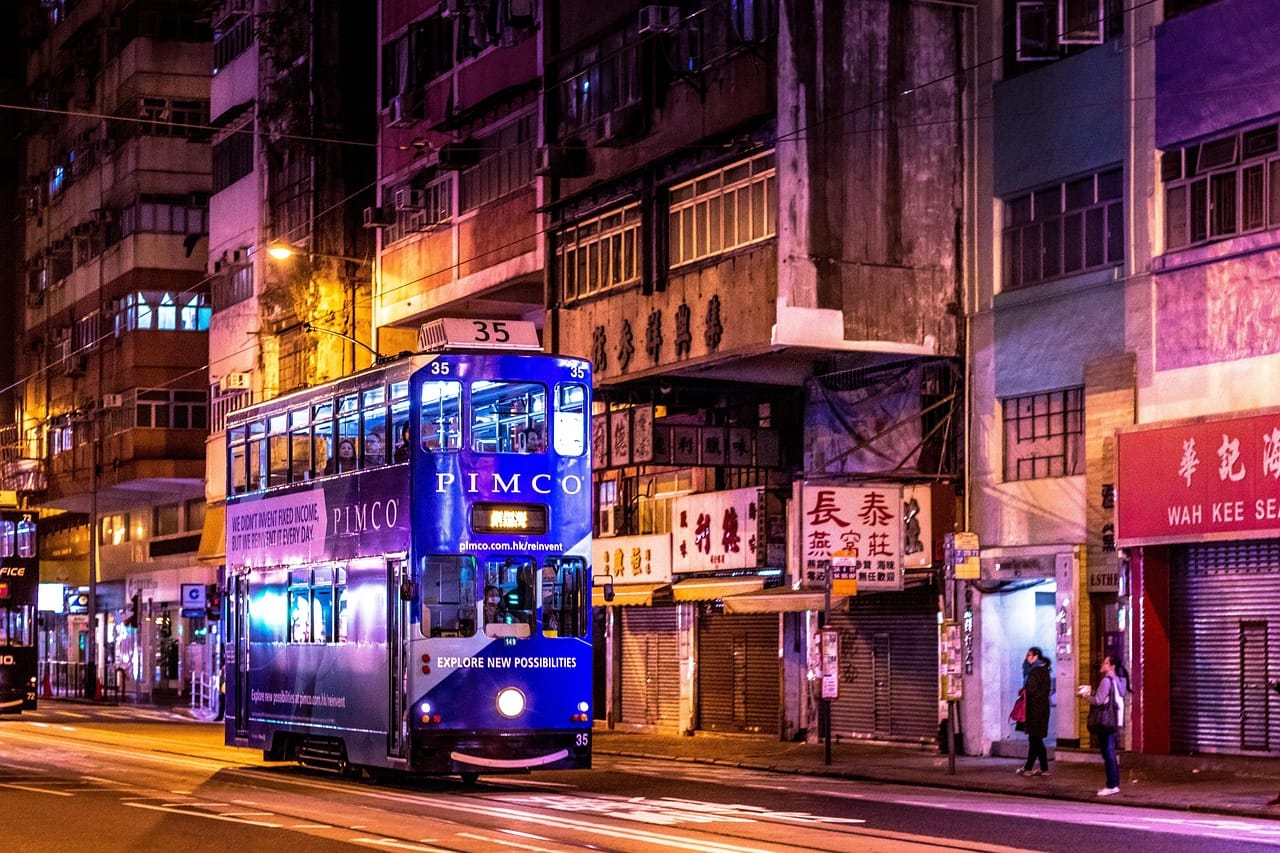
There’s something about Hong Kong that just grabs you. It’s a wild mix—towering glass skyscrapers, tiny noodle shops, neon-lit markets, mountains, and pockets of green. One minute you’re gazing up at a skyline that could be from the future, the next you’re weaving through alleys lined with incense and old temples. It’s East meets West, British history tangled up with Chinese tradition, and honestly, it works. Whether you’re chasing city views, wild theme parks, buzzing nightlife, or food that’ll blow your mind, Hong Kong’s got your back. It doesn’t matter if you’re counting pennies or ready to splurge—there’s something here for everyone. Yeah, Hong Kong has a reputation for being pricey. But if you know where to look, you can still make the most out of every dollar. Plan a little, wander through the right neighborhoods, and you’ll find yourself eating well and seeing the sights without breaking the bank. This guide will walk you through everything you need to map out a smooth trip to Hong Kong in 2026.
Best Things to Do in Hong Kong — From City Highlights to Hidden Gems
Hong Kong never runs out of things to do. If you’re here for the classics, head up to Victoria Peak. Hop on the old Peak Tram—the ride’s an experience in itself—and suddenly you’re at the top, looking down at all those skyscrapers crammed between mountains and sea. Sunset is magic, but honestly, those city lights after dark are unforgettable. If theme parks are your thing, Disneyland Hong Kong is pure fun. Rides, parades, shows—it’s easy to spend a whole day here, especially if you catch one of their special seasonal events. Or maybe Ocean Park is more your speed. It’s a mix of marine life, rollercoasters, and a big water park. Kids love it, but even adults find themselves grinning. You get a bit of everything—animals, thrills, and a splash of education.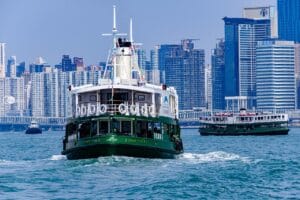
But Hong Kong doesn’t just run on adrenaline. The city’s culture is everywhere, especially in the markets. Temple Street Night Market is the place to hunt for bargains, try street food, and soak up the local vibe. Ladies Market and Stanley Market have their own charms, with endless stalls selling clothes, souvenirs, and odd little treasures. Need a breather? Duck into Hong Kong Park. It’s right in the city, but suddenly you’re surrounded by trees, ponds, and quiet spots to rest your feet. Then there’s the Star Ferry. It’s cheap, it’s classic, and gliding across Victoria Harbour with the wind in your hair is a simple kind of joy—plus, the views are killer. And don’t skip the waterfront. Head to the Avenue of Stars or Tsim Sha Tsui’s promenades around 8pm. That’s when the “Symphony of Lights” show kicks off, lighting up the skyline with lasers and music—totally free, totally Hong Kong.
Best Hotels in Hong Kong for Every Traveller Type
Picking the right hotel can change your whole trip. It’s not just about a bed—it’s about where you wake up, what you see out the window, and how easy it is to get around.
Luxury Hotels — Relax in Style
If you want to go all out, Hong Kong’s luxury hotels don’t mess around. The Peninsula and Four Seasons are legends for a reason, with service that makes you feel like royalty and views that go on forever. Upper House is another favorite—modern, peaceful, and way above the city chaos. It’s perfect if you want a quiet escape or you’re celebrating something special. Looking for comfort without the luxury price tag? There’s a sweet spot in Hong Kong’s mid-range hotels. Places like Harbour Grand, Best Western Plus, and Butterfly on Wellington give you solid value, good locations, and everything you need for a city break—no fuss, just a good night’s sleep.
Mid-Range Hotels — Comfort and Convenience
Or maybe you want something with more personality. Boutique hotels like Lanson Place in Causeway Bay nail that local-meets-contemporary feel. You get stylish rooms, a great spot near Victoria Park, and a taste of Hong Kong’s unique character. These places are ideal if you want something a little more memorable than the usual chain hotel.
Boutique Hotels — Stylish and Local Flavour
And sure, Hong Kong can be expensive, but don’t give up if you’re on a budget. If you do your homework, you’ll find hostels, guesthouses, and budget hotels tucked away in the city’s neighborhoods. They’re not fancy, but they’re clean, safe, and let you save your money for the things that matter—like dim sum or that extra ferry ride.
Cheapest Places to Stay in Hong Kong — Budget-Friendly Options
Hong Kong is full of surprises. No matter where you stay or what you do, you’ll leave with more stories than you expected.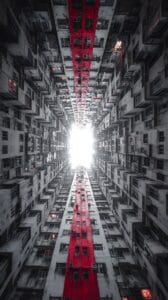
Hostels and Guesthouses
If you’re traveling on a budget, hostels and guesthouses are where most people start. You’ll find plenty around Tsim Sha Tsui, Yau Ma Tei, and Mong Kok—right in the heart of the action. Places like Y Loft (Youth Square), Yesinn, Dragon Hostel, and Apple Hostel offer basic but comfortable spots to crash, usually at a fraction of the price of a hotel. Plus, they’re close to MTR stations, so getting around is a breeze. Sure, the rooms are small (that’s just how things go in Hong Kong), but if you care more about exploring than fancy sheets, these places deliver real value.
Budget Hotels and Guesthouses
If you’d rather have your own room but still save money, check out budget hotels like Causeway Bay Inn or Guangdong Guest House. They won’t roll out the red carpet, but you’ll get the essentials—clean rooms, a bed, and a killer location near markets, local food, and transit. With so much competition, you can actually score some great deals if you book early and compare prices online.
Cost of Traveling to Hong Kong — Transport, Food & Daily Expenses
A little planning goes a long way in Hong Kong. The city has a reputation for being pricey, but you can keep your costs under control with a few smart moves.
Accommodation Costs
Prices are all over the map. Basic hostels start at about USD 20–30 a night. Standard three-star hotels usually run between USD 80 and 150, depending on when and where you’re staying. Four-star and boutique hotels often fall somewhere between USD 150–300, while high-end luxury spots can easily go past USD 300–400 per night.
Public Transport and Taxi Costs
Getting around is super easy thanks to Hong Kong’s public transport system. Grab an Octopus Card when you arrive—it’s a rechargeable smart card that works on the MTR, buses, trams, some ferries, and even at convenience stores. Most rides on the MTR are cheap, just a few Hong Kong dollars for short trips. Taxis are everywhere too, but they cost more; fares usually start at HKD 20–30 (about USD 2.50–3.80), and go up the farther or longer you ride.
Food Costs
Food in Hong Kong covers the whole spectrum. You can eat like a local at a cha chaan teng or grab street snacks for USD 5–10, sometimes even less. If you want a sit-down meal at a mid-range place, budget USD 10–30 per person. High-end restaurants and fine dining can easily run past USD 80 per person, but honestly, you don’t have to spend a ton to eat well here. Whether you’re into wonton noodles, roast goose, or dim sum, there’s something for every taste and budget.
Sightseeing and Attraction Costs
Some of the best things in Hong Kong are free. Roam the street markets, stroll along the harbour, or relax in a park—it won’t cost you a cent. For the big-ticket spots like the Peak Tram, Disneyland, or Ocean Park, you’ll need to pay an entrance fee. Booking tickets online is usually cheaper than buying at the gate, so plan ahead if you can.
SIM Card and Internet Prices
Staying connected is simple and cheap. Tourist SIM cards with data are easy to find at the airport, in convenience stores, or at mobile shops. Expect to pay between HKD 48–198 (about USD 6–25), depending on how much data you want and how long you’ll stay. Free Wi-Fi is everywhere—hotels, malls, and lots of public spots.
Hong Kong Travel Budget for 3-Day, 5-Day & 7-Day Trips
How much you’ll spend really depends on what you want out of your trip, but here’s a quick breakdown:
3-Day Budget Trip
If you stick to hostels or budget hotels, eat local, use public transport, and hit a couple of paid attractions, you’re looking at around USD 350–700 for three days (not counting your flight). That covers basic stays, cheap eats, and some sightseeing.
5-Day Mid-Range Visit
For five days with a mid-range hotel, a mix of local and nicer meals, public transport, and a handful of attractions, expect to spend around USD 700–1,200. Where you stay and which activities you choose make a big difference.
7-Day Immersive Trip
If you want the full experience—theme parks, observation decks, harbour tours, maybe even a ferry trip to Macau—plan on USD 1,000–1,800 or more for a week. This covers a comfortable hotel, a good balance of free and paid activities, and a few treats along the way.
Hong Kong vs Singapore Travel Comparison — Culture, Cost & Experience
Let’s talk about Hong Kong and Singapore. Both are famous for their stunning skylines, slick public transport, and incredible food scenes. Still, once you land, the vibe in each city hits differently. Step into Hong Kong, and you’re swept up in that fast, electric energy. The city pulses with Chinese heritage, neon lights, and sweeping views of Victoria Harbour. Singapore, on the other hand, feels calm and organized. Now, about the cost. Neither city is exactly cheap. But if you stick to local spots and hop around with an Octopus Card, Hong Kong can go easier on your wallet—at least for food and transport. Singapore leans a bit pricier, especially when it comes to hotels and those big-ticket attractions. So, choosing between the two? It really comes down to whether you want Hong Kong’s buzzing city life and harbour culture or Singapore’s polished, green city vibe.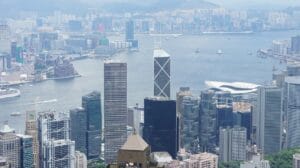
Best for Honeymoon — Hong Kong or Tokyo? Which Is Cheaper?
Couples looking at Hong Kong versus Tokyo for a honeymoon usually end up torn. Both cities are exciting but deliver totally different moods. Hong Kong is all about romantic harbour views, rooftop cocktails, high-rise hotels, and lively nights. A dusk cruise across the harbour? Hard to beat. Tokyo throws you into a whirlwind of ultra-modern city life mixed with peaceful old temples and quirky neighbourhoods. Price-wise, they’re close, but Hong Kong can come out a little cheaper if you eat at local joints and skip the fancy restaurants. Hotel rates in both cities shoot up during busy travel seasons, especially at the luxury level. Really, which city ends up cheaper depends on when you go, where you stay, and how many paid experiences you pack in.
Hotel Review — Upper House Hong Kong
If you want a hotel that feels like a calm oasis in the middle of the city, Upper House Hong Kong stands out. Travelers rave about the sweeping harbour views, the peaceful vibe, and the modern, roomy design. Service is top-notch, and it’s the kind of place that makes a special trip—honeymoon, anniversary, you name it—feel even more memorable. Plus, you’re close to Victoria Peak and Admiralty, so you’re never far from the action, but it never feels hectic once you step inside.
Tour Package Review — Hong Kong Highlights City Tour
One of the easiest ways to hit Hong Kong’s big sights is with a city highlights tour. These usually cover Victoria Peak, the Star Ferry, busy markets, and some cultural spots. People say having a guide takes the stress out of figuring out transport and lets you in on stories and local secrets you’d probably miss on your own. Tours often include skip-the-line access, so you waste less time waiting around and see more in a day.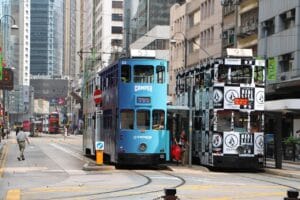
Visa Cost for Visiting Hong Kong
Visa rules depend on where your passport’s from. Visitors from the US, Canada, most of Europe, and a bunch of Asian countries can enter Hong Kong visa-free for up to 90 days (sometimes more). Others need a visa or pre-approval—so don’t just wing it. Double-check with the nearest Chinese or Hong Kong consulate before you book.
Taxi Cost in Hong Kong — Getting Around Easily
Taxis are everywhere in Hong Kong and they’re metered, so no haggling. Rides start at about HKD 20–30 (around USD 2.50–3.80), and go up based on distance and time. Public transport—MTR, buses, trams—usually costs less and is often quicker, especially during rush hour. But taxis come in handy late at night or when you’re juggling luggage. Ride-hailing apps work here too and sometimes offer more predictable fares than regular cabs.
Food Cost in Hong Kong — Eat Well on Any Budget
Hong Kong is a food lover’s dream, no matter how much you want to spend. Local cafés and cha chaan tengs serve up classics like wonton noodles, egg tarts, and rice plates for about USD 5–10. Hit the street markets and you’ll spend even less. Step up to mid-range restaurants, you’re looking at USD 10–30 per person. Want to splurge? Michelin-starred spots run USD 80 or more. But honestly, you don’t need to break the bank to eat well—some of the best food in Hong Kong is simple, fast, and cheap.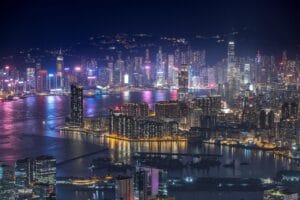
Internet & SIM Card Prices in Hong Kong — Stay Connected
Staying connected in Hong Kong is a breeze. You’ll find prepaid SIM cards from local providers like CSL, Three, and China Mobile HK at the airport or just about any convenience store. Data plans usually run between HKD 48 and 198 (around USD 6–25), depending on how much data you want and how long you’ll be around. If you’d rather skip the hassle of swapping out a physical SIM, plenty of international providers offer eSIMs too. And if you’re trying to save a little, lots of public places, malls, and restaurants offer free Wi-Fi.
Is Hong Kong Worth Visiting in 2026?
The city’s still buzzing with energy, mixing futuristic skyscrapers with lively street markets and a deep sense of culture. There’s something for everyone: wild theme parks, incredible food, jaw-dropping harbour views, endless shopping, and even hiking trails that get you out into real nature—all packed into a city that’s easy to get around.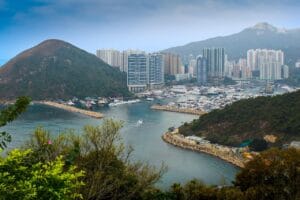
Conclusion
Hong Kong never runs out of ways to surprise you. You can take in the skyline from Victoria Peak, taste your way through street markets, crash in a budget hostel or treat yourself at a luxury hotel on the harbour. Hop on a tram for next to nothing or spend a full day chasing thrills in a theme park. With a bit of planning, you’ll find that even though Hong Kong has a reputation for being pricey, it’s totally possible to experience its unique East-meets-West vibe without breaking the bank.
| China National Tourist Office | Official tourism promotion and destination information | China National Tourist Office |
| China Tourism Academy | Tourism research and industry information | China Tourism Academy |
| China National Immigration Administration | Visa, entry, and immigration information | National Immigration Administration |
| Ministry of Foreign Affairs of China | Official consular and travel-related information | Chinese Ministry of Foreign Affairs |
Author

Related posts

Best Places to Visit in Mont-Saint-Michel
- 0
- 4,964 words
Best Places to Visit in Mont-Saint-Michel , France Mont-Saint-Michel is one of the most extraordinary destinations in France and one of the...
Read out all
UNGA
- 0
- 5,649 words
UNGA (United Nations General Assembly ) The United Nations General Assembly, commonly known as the UN General Assembly or UNGA, is one...
Read out all
Best Places to Visit in Kathmandu
- 0
- 4,089 words
Best Places to Visit in Kathmandu , Nepal Kathmandu, the capital of Nepal, is one of South Asia’s most fascinating travel destinations....
Read out all
Best Places to Visit in Vilnius
- 0
- 5,246 words
Best Places to Visit in Vilnius , Lithuania Vilnius, the capital of Lithuania, is one of the most fascinating destinations in the...
Read out all
Best Places to Visit in Riga
- 0
- 6,005 words
Best Places to Visit in Riga , Latvia Riga, the capital of Latvia, is one of the most fascinating destinations in the...
Read out all
Best Places to Visit in Cartagena
- 0
- 4,522 words
Best Places to Visit in Cartagena , Colombia Cartagena de Indias is a historic Caribbean city on Colombia’s northern coast and one...
Read out all