
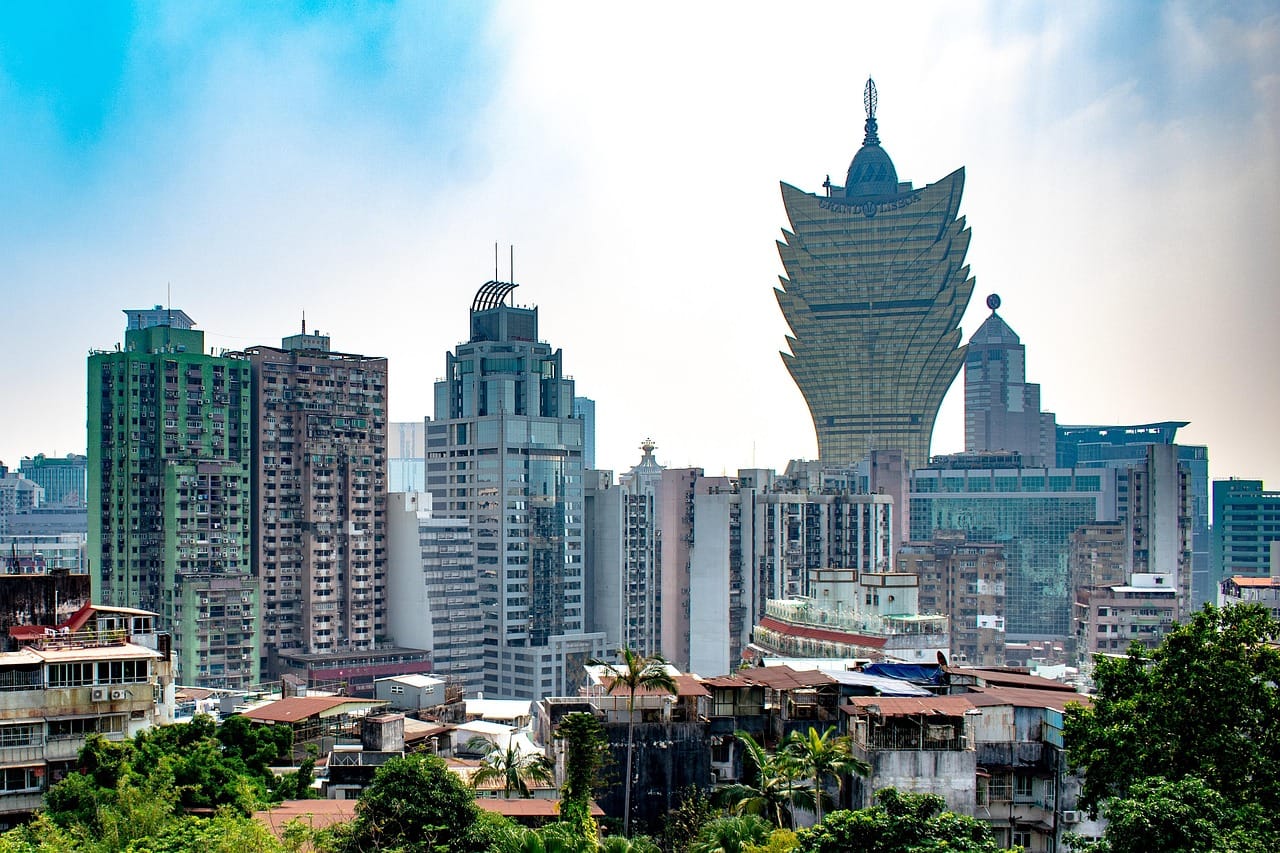
Macao, China
Tucked along China’s southern coast, just across the water from Hong Kong, Macao packs a lot into its small size. It’s a city where old Portuguese streets wind past Chinese temples, where you can dive into world-famous casinos or just as easily wander quiet lanes packed with history. Some people call it the “Las Vegas of Asia,” but honestly, there’s so much more here than just gaming tables and neon lights. Think UNESCO-listed sites, food stalls mixing flavors from both East and West, quirky museums, and plenty to see even if you’re traveling on a tight budget. The best part? Macao’s tiny — about 30 square kilometers — so you can cover a lot in a few days, whether you’re stopping over, planning a longer escape, or even sneaking in a weekend away. It works for solo travelers, couples, families, and honeymooners alike. You want luxury? You’ll find it. On a shoestring? No problem.
Best Things to Do in Macao — Historic Sites, Culture, Views & Local Flavours
One thing you’ll love about Macao: everything’s close. You can get around by foot, hop on a bus, or grab a short taxi ride. Start with the Historic Centre of Macao, recognized by UNESCO, where pastel colonial buildings stand right next to classic Chinese temples. Right in the heart of it all, the Ruins of St. Paul’s tower above — just a stone façade now, but once the front of one of Asia’s biggest Catholic churches. It’s a must for photos, and you’ll feel the city’s layered history just standing there. Just a quick stroll away, you’ll hit Senado Square. The place is full of energy, with wave-patterned stones under your feet and colorful buildings all around. Little side streets branch off, packed with shops and bakeries. Grab some local snacks while you’re here — trust me on that.
Keep going and you’ll come across the Na Tcha Temple. It’s tiny and tucked away, but it’s a cool reminder of how cultures mix in Macao: a Chinese temple right next to old Jesuit ruins. Climb the hill behind, and you’ll reach Fortaleza do Monte (Mount Fortress). Once, it guarded the whole city; now, it’s a peaceful park with views stretching out over Macao and the harbor. The Macau Museum sits inside, and it’s actually worth a look if you want to see what life here used to be like. For more culture, check out the Dom Pedro V Theatre. Built in the 1800s and still standing, it’s one of East Asia’s earliest Western-style theaters — and yes, they still put on shows.
If you’re in the mood for something lighter, the Macao Giant Panda Pavilion on Coloane Island lets you hang out with pandas (no ticket needed — it’s free), so it’s perfect for families or animal lovers. Then there’s Macau Tower. This thing dominates the skyline. You can just enjoy the views, or, if you’re feeling daring, sign up for the skywalk or even bungee jump. Not for the faint of heart. Fisherman’s Wharf is another spot that mixes it up — themed shops, restaurants, waterfront views, and a fun, slightly random vibe. It used to have rides, but now it’s more about food, shopping, and people-watching. If you want to slow down, spend some time in Taipa Village or Coloane Village. These neighborhoods are more laid-back, with cozy cafes, little boutiques, and quiet beaches like Hac Sa and Cheoc Van. Basically, Macao’s a city that rewards wandering. Take your time, try the street food, and let yourself get lost in the mix of old and new.
Best Hotels in Macao for Every Type of Traveller
No matter how you travel, Macao’s got a place that fits. The city’s famous for its hospitality, and if you’re into luxury, a lot of the big casino hotels double as resorts — so you get fancy rooms, pools, spas, tons of restaurants, and shows, all rolled into one spot.
Luxury & Romance
If you want to go all-out, especially for a honeymoon or special trip, Macao’s luxury hotels on the Cotai Strip are hard to beat. Picture plush rooms, infinity pools, rooftop bars, and spas where you could easily lose a whole afternoon. Some even have Michelin-star restaurants and big-name shows — perfect for when you want to treat yourself or celebrate something big.
Mid-Range Comfort
If you want a comfortable place to stay in Macao without blowing your budget on luxury, you’ve got plenty of options. Mid-range hotels are scattered across the Macau Peninsula, Taipa, and Cotai. Most of them offer solid service, decent breakfasts, and put you close to the main sights. Expect comfy rooms with private bathrooms, free Wi-Fi, and a concierge who can actually help you plan your day.
Budget & Guesthouses
Traveling on a tighter budget? Stick to the Macao Peninsula or Taipa. Small hotels and guesthouses here keep things simple, with basic amenities and much lower prices than the big resorts. You’re never far from buses, food stalls, historic streets, or culture spots. These places let you save money on your room so you can spend more on the stuff you actually came to experience. Honestly, Macao’s so compact that even the cheapest hotels put you within walking distance—or a quick bus ride—of most attractions. You won’t need to worry about expensive taxis or long commutes.
Cheapest Places to Stay in Macao — Budget-Friendly Options
Sure, Macao is famous for glitzy casinos and fancy hotels, but there are still lots of affordable places if you know where to look. Guesthouses and budget hotels on the Macao Peninsula usually cost a fraction of what you’d pay at the big resorts. They’re perfect for backpackers, students, or anyone watching their wallet. Simple private rooms can be surprisingly cheap, and you’ll often be able to walk to Senado Square or the historic center, saving even more on transport. You can also check out hostels or long-stay guesthouses near bus routes or the light rail. The LRT connects a bunch of main areas, and with a Macau Pass or similar card, it’s easy to get around and keep costs low. Staying outside the flashiest parts of town and using shuttle buses or public transport means you keep more money in your pocket—but you’re still just a quick ride from casinos, shops, and entertainment. If you really want to get a feel for everyday Macao, pick a local guesthouse in the older neighborhoods. You’ll find affordable street food and lively cafés right outside your door. It’s a great way to enjoy the real city without draining your savings.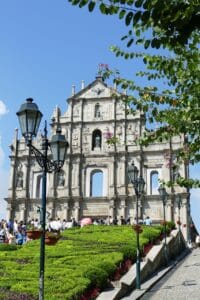
Cost of Traveling to Macao — Flights, Transport & Daily Expenses
Knowing what it actually costs to visit Macao can help you plan smarter. Once you’ve booked your flight or ferry, most daily expenses in the city are pretty reasonable—if you don’t splurge on every meal.
Flights and Arrival
Airfare varies a lot depending on where you’re coming from. If you’re flying in from somewhere else in Asia, direct flights are usually affordable, with plenty of options from budget airlines. Coming from Europe or North America? The trip’s longer and you’ll probably need a connection, often through Hong Kong, Singapore, or Bangkok.
Visa & Entry Fees
The good news: travelers from a lot of countries—like the US, Canada, Australia, and most of Europe—don’t need a visa for short visits (usually up to 30 days, but double-check your passport’s rules). If you do need a visa, expect to pay around $30, with extra fees if you want it processed quicker. Most visas let you stay 14 to 30 days per entry.
Transportation Costs
Getting around Macao is easy and cheap. Public buses run often and only cost a few Pataca per ride, taking you pretty much anywhere—Peninsula, Taipa, Cotai, you name it. There’s also the light rail, which connects the main districts for just a bit more. Many big hotels run free shuttles to ferry terminals, other hotels, and downtown, so you can save even more on transport. Taxis are everywhere, starting at about 19 Pataca for a short ride, but they’re a lot pricier than buses or the LRT.
Food & Dining
Eating in Macao is half the fun. Street food and local snacks—think egg tarts, pork chop buns, minchi rice, or steamed milk pudding—are cheap and delicious, often just a few Pataca each. If you want a sit-down meal at a mid-range restaurant, prices are still pretty reasonable. The high-end spots in casinos or resorts will cost you, but if you plan for it, those meals can be something special.
Daily Expenses
Most travelers say you’ll spend around MOP 1,281 (about $161 USD) per day on hotels, food, transport, and sightseeing. A week-long trip for one person averages about $1,125 USD. Of course, everyone’s travel style is different, so your numbers might be higher or lower. These estimates just give you a sense of what to expect, whether you’re watching every penny or ready to indulge a bit.
Macao Travel Budget for 3, 5 & 7 Days
Planning your budget in advance really helps you make the most of your trip, whether you’re heading to Macao for a quick getaway or a whole week.
- 3-Day Visit: If you’ve never been to Macao before, three days is a solid choice. You’ll have time to hit the historic spots, try out the local food, and maybe check out a casino. Costs add up depending on where you stay and what you eat—go simple or go all out, it’s up to you.
- 5-Day Stay: Five days gives you room to breathe. You can wander the old city center, climb up Macao Tower, watch pandas, or stroll around Coloane or Taipa villages. There’s even time to just relax for a day. If you stick to a mid-range hotel, eat at a mix of casual and sit-down places, and use public transport, you’re looking at roughly MOP 5,000 to 8,000 per person.
- 7-Day Trip: Got a week? Now you can really settle in. Take it slow, soak up the culture, head out to nearby islands, and enjoy the nightlife. A week costs more, sure, but using buses and eating local keeps things reasonable.
If you’re traveling as a family or couple, you’ll usually pay less per person by sharing a hotel room. That’s an easy way to stretch your budget.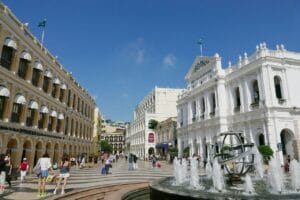
Macao vs Hong Kong Travel Comparison — Which Is Cheaper?
So, which city goes easier on your wallet? Day-to-day, Macao is usually a bit cheaper, especially for food and getting around. Recent numbers put the daily cost per person in Macao at about $159, while Hong Kong is closer to $184. Of course, it all depends on how you like to spend. Hotels in Macao are a little pricier than Hong Kong, but you make up for it with cheap buses and light rail. When it comes to seeing the sights, both cities have plenty to offer. Hong Kong wins for variety, with free parks, museums, and that classic Star Ferry ride, while Macao leans more toward resorts and casinos.
Best for Honeymoon — Macao or Hong Kong?
Picking between Macao and Hong Kong for a honeymoon really comes down to your style as a couple.
- Macao is perfect if you love wandering through old city streets, catching sunsets from Macau Tower, and splurging on a fancy spa or dinner. The mix of Chinese and Portuguese influences gives it a romantic, almost storybook vibe—great for photos and memories.
- Hong Kong, on the other hand, is all about that skyline, harbor cruises, island beaches, and endless places to explore. The transport system makes it easy to get around, so you can see a ton without feeling rushed.
Which one’s cheaper? Macao edges out Hong Kong on daily costs, especially for food and transport, but once you add in luxury hotels or big-ticket experiences, both can climb fast. So it really depends—do you want historic charm and resort luxury, or city buzz and harbor views?
Hotel Review — A Memorable Stay in Macao
If you want a hotel that’s more than just a place to sleep, The Venetian Macao is hard to beat. It’s huge—one of the biggest resort casinos in the world—and has everything under one roof: luxury rooms, indoor canals, designer shops, and a ton of restaurants.
Tour Package Review — Macao City Highlights Tour
First time in Macao? A city highlights tour is a great way to hit the main sights—Senado Square, the Ruins of St. Paul’s, Macau Tower, and those old neighborhoods with Portuguese flair. People love these tours because they make getting around easy, and you pick up a lot of local history along the way. Plus, you often get to skip the lines or reserve spots at busy attractions, which is a real time-saver.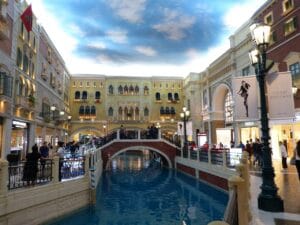
Visa Cost for Visiting Macao, China
Getting into Macao is pretty straightforward for a lot of travelers. If you’re from places like the US, UK, Canada, Australia, or most of Europe, you don’t need a visa for trips up to 30 days—makes life easier and saves you money. If you do need a visa, it usually starts around $30, with extra charges if you want it fast. You can stay 14 to 30 days per entry, which is plenty for most vacations.
Taxi Cost in Macao — Getting Around the City
Grabbing a taxi in Macao is easy and honestly, it’s a lifesaver when you’ve got bags or you’re traveling with friends. The meter starts at about 19 MOP, and the price ticks up as you go farther or get stuck in traffic. Sure, taxis cost more than the bus, but they’re still a bargain compared to what you’d pay in most big cities. Since Macao’s pretty compact, quick rides from downtown to Taipa or Cotai aren’t going to break the bank. Most people end up mixing things up — sometimes you’ll take the bus, other times the light rail, and when you want to save time or just get comfortable, you hop in a cab.
Food Cost in Macao — From Street Snacks to Fine Dining
If you love food, Macao’s going to spoil you. The city mashes together Chinese, Portuguese, and Macanese flavors, and it’s impossible not to notice. Local snacks like egg tarts or pork chop buns aren’t just tasty — they’re cheap, usually just 10 to 30 MOP. Perfect for a quick bite as you wander. For a sit-down meal at a casual spot or a traditional joint, expect to pay somewhere between 50 and 150 MOP per person, depending on where you end up. If you’re feeling fancy and want to try a Michelin-starred restaurant in one of the big resorts, budget at least 300 MOP each. Don’t miss out on local classics like minchi, dim sum, or almond cookies. Honestly, some of the best meals are at tiny street stalls or hole-in-the-wall places. You get more flavor, more authenticity, and you don’t blow your budget.
Internet / SIM Card Price in Macao — Stay Connected
No need to stress about getting online in Macao. You can pick up a local SIM card with data at any convenience store or phone shop, and prices are pretty reasonable, especially for short stays. Topping up data or talk time is simple too. Compared to a lot of Western cities, mobile data here won’t drain your wallet, and you’ll find free Wi-Fi at most hotels and lots of cafes. Just keep in mind, not everywhere takes credit cards or mobile payments. Bigger shops and restaurants usually do, but for buses or small vendors, you’ll want some cash or a Macau Pass card handy.
Conclusion
Macao’s got character — from its cobbled streets and ancient churches to glitzy casinos and rooftop bars. The food’s incredible, the hotels range from budget to over-the-top, and there’s always something to do. Whether it’s a quick getaway, a romantic escape, or a slow-paced cultural trip, a bit of planning goes a long way. Wander through Senado Square or take in the view from Macau Tower — Macao keeps surprising you, no matter how many times you visit.
Macao Government Tourism Office
Official Macao Tourism Events Calendar
Official Macao Tourism Brochures and Travel Guides
Author

Related posts
Best Places to Visit in Dinant
- 0
- 4,779 words
Best Places to Visit in Dinant, Belgium Dinant is one of the most beautiful small towns in Belgium and one of the...
Read out all
Best Places to Visit in Mont-Saint-Michel
- 0
- 4,964 words
Best Places to Visit in Mont-Saint-Michel , France Mont-Saint-Michel is one of the most extraordinary destinations in France and one of the...
Read out all
UNGA
- 0
- 5,649 words
UNGA (United Nations General Assembly ) The United Nations General Assembly, commonly known as the UN General Assembly or UNGA, is one...
Read out all
Best Places to Visit in Kathmandu
- 0
- 4,089 words
Best Places to Visit in Kathmandu , Nepal Kathmandu, the capital of Nepal, is one of South Asia’s most fascinating travel destinations....
Read out all
Best Places to Visit in Vilnius
- 0
- 5,246 words
Best Places to Visit in Vilnius , Lithuania Vilnius, the capital of Lithuania, is one of the most fascinating destinations in the...
Read out all
Best Places to Visit in Riga
- 0
- 6,005 words
Best Places to Visit in Riga , Latvia Riga, the capital of Latvia, is one of the most fascinating destinations in the...
Read out all