
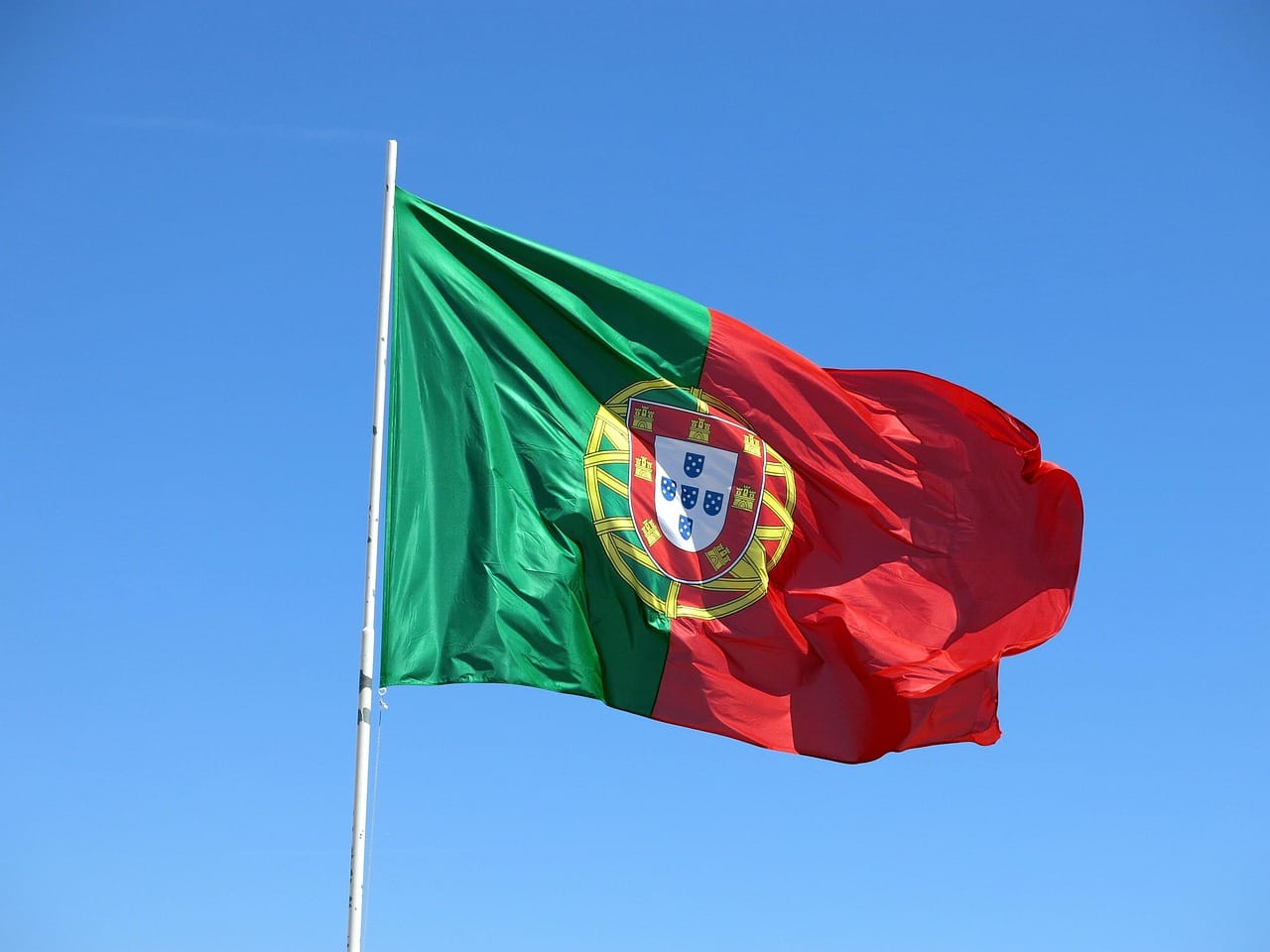
Portugal : Beautiful country in southwestern Europe
Portugal sits on the edge of Europe, just above Africa, with Spain as its only neighbor. It’s a place where old-world charm and laid-back living come together in the sun. People love Portugal for a bunch of reasons—its golden beaches, buzzing cities, real food, and the sense that time slows down just a bit here. The country has this rare knack for mixing tradition with a modern vibe, and it stays surprisingly affordable and welcoming, even as more travelers discover it every year.
Geographic Location of Portugal and Its Strategic Importance
Look at a map and you see Portugal hugging the Atlantic, perched on the western tip of the Iberian Peninsula. This spot has shaped everything about the country. For centuries, the ocean was Portugal’s gateway to the world—a launchpad for explorers and traders who set out to map the globe. Today, that same coast pulls in tourists with its surf, sea views, and endless beach towns.
The Historical Journey of Portugal Through the Ages
Portugal’s story goes way back—think Romans, medieval kings, and the golden days when Portuguese explorers sailed off to Africa, Asia, and the Americas. Their adventures changed the world, and you still catch glimpses of that legacy in the old castles, weathered churches, and ancient city walls. Walk around, and you feel the weight of history in the stones beneath your feet.
Portuguese Culture and Way of Life
What really makes Portugal tick, though, is its people and their way of life. Family matters here. So does food, music, and taking things slow. Fado—the country’s soulful, bittersweet music—echoes from bars and city squares, telling tales of love, longing, and pride. Locals are open and genuine. It’s the kind of place where you end up deep in conversation over coffee, or a stranger points you toward their favorite bakery just because you look lost.
Tourism in Portugal and Its Growing Popularity
In the last few years, tourism in Portugal has taken off. It’s easy to see why. The country packs so much into a small space: buzzing cities, wild mountains, lazy beaches, rolling vineyards, even volcanic islands. Getting around is simple, and the infrastructure is solid. Plus, prices are reasonable compared to much of Western Europe, so travelers on any budget feel at home.
Lisbon: The Capital City of Hills, History, and Culture
Lisbon, the capital, sprawls over seven hills along the Tagus River. It’s a city of sweeping views, twisting alleys, and trams rattling past mosaic-tiled houses. Old neighborhoods brim with life—music, food, markets—while shiny new museums, galleries, and clubs keep things fresh. The city manages to feel both ancient and young at the same time.
Porto: The City of Wine and Riverside Beauty
Head north and you hit Porto. This riverside city is famous for port wine, but there’s more to it than that. Colorful houses cling to steep hillsides above the Douro, and the old town’s a UNESCO World Heritage Site. Porto moves at a slower pace, with a proud spirit and a strong sense of tradition. It’s the kind of place that rewards wandering and lingering.
Algarve: Portugal’s Golden Coastline
Down south, the Algarve stretches along the coast, all golden beaches, red cliffs, and blue skies. Summer brings crowds, but there’s always a quiet cove or a sleepy fishing village if you want to escape. Seafood is fresh, the mood is relaxed, and the sunsets are the kind that make you stop and stare.
Central Portugal and Traditional Landscapes
Central Portugal feels more off the radar. Here you find old university towns like Coimbra, where students have been coming for centuries, and sleepy villages tucked among forests and rivers. The pace slows, the crowds thin, and you get a glimpse of rural life—simple, old-fashioned, and deeply rooted.
Northern Portugal and Mountain Regions
Northern Portugal is known for its green landscapes, mountains, and traditional villages. This region reflects deep-rooted customs and strong community life. Vineyards, river valleys, and historic towns create scenic travel routes that appeal to nature lovers and cultural explorers. Tourism in northern Portugal is ideal for those seeking authenticity and slower travel experiences.
Portuguese Islands and Atlantic Beauty
Portugal isn’t just about the mainland. Its islands—like the Azores and Madeira—bring something different to the table. Out in the Atlantic, these spots are all about wild landscapes, volcanoes, and green hills that seem to go on forever. People come here to hike, watch whales, or just slow down and enjoy the calm. The weather’s mild and the scenery’s lush, so a trip to the Portuguese islands always feels a little extra special.
Portuguese Cuisine and Food Tourism
Now, if you’re into food, Portugal’s got you covered. Meals are simple but big on flavor. Along the coast, seafood shows up on every menu, while inland, you’ll taste the country’s farming roots. Lately, more travelers are coming just for the food—checking out local markets, grabbing a bite at old-school restaurants, or trying the new spots. Every meal brings you closer to the real Portugal.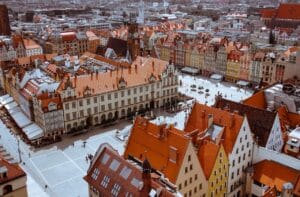
Wine Tourism and Regional Vineyards
And let’s not forget the wine. Portugal’s been making wine for centuries, and places like the Douro Valley are a dream for wine lovers. Hills covered in vineyards, river views, tastings at family-run estates—you get the picture. It’s not just about sipping wine. You learn the stories behind each bottle, soak in the views, and leave feeling a little more relaxed than when you arrived.
Surrounding Country: Spain and Iberian Connections
Now, zoom out a bit. Portugal sits on the edge of Europe, sharing its only land border with Spain. This connection has shaped so much—history, food, even the way people travel. It’s easy to hop between the two countries. In fact, lots of people plan trips that mix Portuguese towns with Spanish cities, chasing that blend of Iberian culture and scenery.
Spain as Portugal’s Only Neighboring Country
Spain wraps around Portugal’s east and north sides, making it Portugal’s only neighbor. The border’s one of the oldest in Europe, and crossing it is a breeze—by car, train, or even short flights. Because Spain attracts so many travelers, being right next door makes Portugal even more appealing. People often put both on the same trip, ticking off highlights from each.
Shared Iberian Culture Between Portugal and Spain
Culturally, Portugal and Spain have a lot in common, thanks to thousands of years of shared history—Romans, medieval knights, explorers heading out to sea. You’ll spot the similarities in things like food, music, and architecture, but each country keeps its own flavor. This blend means you can move between them without missing a beat, but you’ll still notice the little details that make Portugal and Spain unique.
Border Regions Between Portugal and Spain
If you’re after something quieter, the border regions are worth a look. Small villages, rolling hills, old towns, and peaceful rivers—these places feel a world away from the crowds. More travelers are starting to explore here, drawn by the chance to wander, meet locals, and take in the scenery at a slower pace.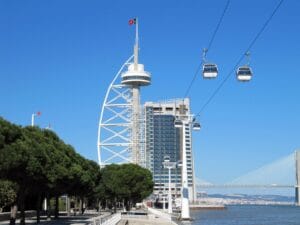
Major Spanish Regions Near Portugal
Just over the border, western Spain offers historic cities and countryside that fit perfectly into a Portugal trip. Head south, and you’ll find warmer weather, lively festivals, and Mediterranean vibes. It’s easy to tack on a Spanish region or two without eating up your travel time.
Tourism Routes Linking Portugal and Spain
Routes linking Portugal and Spain are more popular than ever. Some people start in Lisbon or Porto, then head straight into Spain. Others do it the other way around. Whether you’re road-tripping through river valleys, winding over mountain passes, or hugging the coast, the journey brings a mix of culture, history, food, and endless views. If you love to travel slow and soak it all in, this part of the world is tough to beat.
Culinary Connections Between Portugal and Spain
Food brings Portugal and Spain together in a way that’s hard to ignore. Both countries are obsessed with fresh ingredients—think seafood, olive oil, and all those regional dishes that make you want to eat your way across the Iberian Peninsula. Sure, their flavors and recipes aren’t exactly the same, but that’s part of the fun. Travelers get to taste the overlap and notice what sets each country apart.
Transportation and Travel Between Portugal and Spain
Wine is another story they share. Vineyards spill across the border, and wine tourism ties the two countries even closer. Food and drink aren’t just about eating and sipping—they’re a window into Iberian culture. Every bite, every glass, pulls visitors deeper into the story.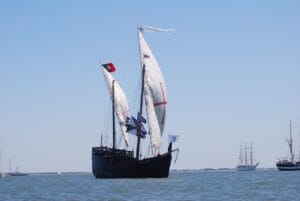
Why Spain Enhances Tourism in Portugal
Spain does a lot for Portugal’s tourism scene. They share a big, open border, which makes wandering back and forth simple. There’s a sense of cultural flow—you don’t feel like you’re jumping from one world to the next. For travelers, it’s a two-for-one deal: two rich cultures, one journey. Portugal’s appeal grows, especially for folks coming from far away who want to squeeze a lot into one European adventure.
Atlantic Ocean as a Natural Surrounding Feature
Spain might be Portugal’s only neighbor on land, but the Atlantic Ocean wraps around its west and south. That’s a game-changer. The sea defines Portugal—think fishing villages, dramatic coasts, and centuries of explorers setting sail. The ocean isn’t just scenery; it’s the heart of Portugal’s identity, connecting it to places way beyond Europe.
Conclusion
Portugal really does have it all—history, culture, wild landscapes, good prices, and a warm welcome. You’ve got old cities, stunning coastlines, ties to Spain, and that unmistakable Atlantic vibe. It’s authentic, never feels fake, and seems to call people back again and again. No wonder so many travelers fall in love with it.
Official Europe Travel Portal
- Visit Europe — Official tourism portal for discovering European destinations, attractions, cultural experiences, and travel ideas.
European Union Travel Information
- Your Europe – Travel — Official EU information about travel documents, passenger rights, driving abroad, luggage restrictions, and travel regulations.
- Travel to Europe – Official EU Portal — Information about European travel entry systems, including the Entry/Exit System (EES) and ETIAS.
Author

Related posts
OPEC
- 0
- 5,679 words
OPEC OPEC stands for the Organization of the Petroleum Exporting Countries. It is an intergovernmental organization created by major oil-producing countries to...
Read out all
How Do I Find Reliable Wholesale Suppliers
- 0
- 9,103 words
How Do I Find Reliable Wholesale Suppliers ? Finding reliable wholesale suppliers is one of the most important tasks for anyone starting...
Read out all
What Is Happening in the World?
- 0
- 5,355 words
What Is Happening in the World? The world is currently experiencing a period of overlapping crises and opportunities. Political disputes, military conflicts,...
Read out all
BRICS
- 0
- 5,794 words
BRICS : History, Members, Economy, Goals, Expansion and Global Influence BRICS is an international grouping of major emerging economies and developing countries...
Read out all
United Kingdom
- 0
- 5,089 words
United Kingdom The United Kingdom, commonly known as the UK, is one of Europe’s most fascinating travel destinations. Officially called the United...
Read out all
Bhutan
- 0
- 4,154 words
Bhutan Travel Guide Bhutan is one of the most fascinating travel destinations in Asia, offering an extraordinary combination of Himalayan landscapes, Buddhist...
Read out all