
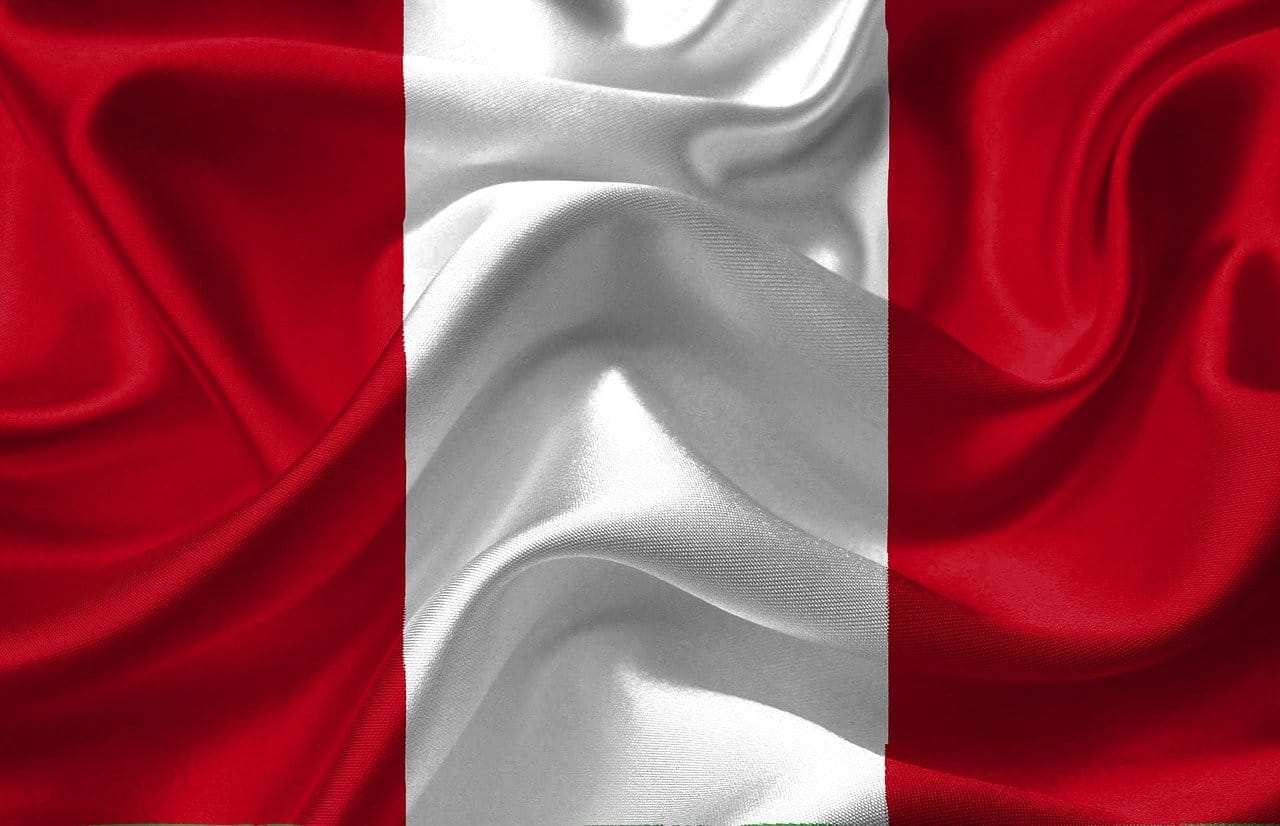
Peru – Fascinating countries in South America
Peru isn’t just another country on the map. It’s a place that grabs you. Ancient civilizations, deep-rooted culture, wild landscapes—Peru’s got it all. One day you’re climbing through the ruins of Machu Picchu, the next you’re deep in the Amazon, surrounded by a thousand shades of green. Travelers from all over keep coming back for more, drawn by the country’s rich history, jaw-dropping nature, and the buzz of its living traditions. Traveling through Peru doesn’t feel like checking off a list. It feels like stepping straight into a story that’s still unfolding. You’ve got ancient cultures, colonial towns that still hum with life, tiny villages hidden in the mountains, and big, modern cities all mixing together. Every stop brings something new, and the whole trip just feels meaningful.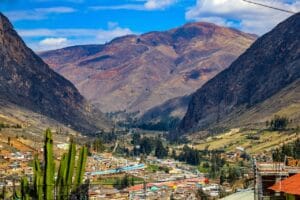
Geographical Location of Peru
Peru stretches along South America’s west coast, right up against the Pacific. It’s got Ecuador and Colombia up north, Brazil to the east, Bolivia down to the southeast, and Chile running along the southern edge. Because of its size and where it sits, Peru’s packed with some of the wildest, most varied landscapes you’ll see anywhere. Three big regions shape the country. There’s the dry, lively coast where the biggest cities sit.
History and Ancient Civilizations of Peru
Peru’s history stretches way back—long before Europeans showed up. Ancient cultures like the Caral, Nazca, Moche, and especially the Inca built incredible societies here. The Inca Empire, with Cusco at its heart, ruled a massive chunk of South America before the Spanish landed. The Spanish brought their own buildings, religion, and customs, changing a lot—but Peru held tight to its indigenous roots. That deep, layered history is what pulls in so many travelers looking for something real to connect with.
Tourism in Peru
Tourism is huge for Peru. People come for the ancient ruins, the wild landscapes, the living traditions, and the warmth of the people. From the lost cities of the Incas to the thundering Amazon, from buzzing cities to quiet villages tucked in the mountains, Peru just keeps surprising you. The best part? There’s no single “tourist spot.” Adventure spills out across the whole country—mountains, jungles, deserts, beaches. Every place you visit has something new waiting. That’s what keeps travel here exciting.
Historical Importance of Tourism in Peru
If you ask people why they visit Peru, history always comes up. This place was the center of the Inca Empire, one of the world’s most advanced ancient civilizations. Even now, you can walk the same stone paths, run your hands along perfectly built walls, and picture what life was like centuries ago. Travelers don’t just want to see old ruins—they want to feel that connection. To stand where the Incas stood. To step into the past and bring a piece of it home with them.
Machu Picchu – The Symbol of Peru Tourism
Say “Peru,” and most people instantly think of Machu Picchu. It sits high in the Andes, wrapped in mist and green peaks, almost too magical to be real. People come from all over to see the Inca’s mind-blowing engineering, hear the stories behind the stones, and stare at scenery that just knocks you out. Photographers, history fans, hikers—everyone finds something to love. As a UNESCO World Heritage Site, Machu Picchu is the heart of tourism in Peru.
Cusco – The Cultural Capital of Peru
Cusco is one of those cities you can’t skip. Once the capital of the Inca Empire, it’s now a place where ancient and modern live side by side. Inca stone walls stand next to Spanish churches, and every corner feels packed with stories. Visitors wander the Plaza de Armas, climb up to Sacsayhuamán, and check out Qorikancha. Cusco is also the launch point for the Sacred Valley and Machu Picchu, so just about every traveler passes through.
The Sacred Valley – Living History and Nature
The Sacred Valley stretches from Cusco to Machu Picchu and packs in a ton. Think green fields, winding rivers, tiny villages, and ancient ruins everywhere you look. Pisac, Ollantaytambo, and Moray show off just how clever the Incas were at farming and building. While you’re here, you can browse the markets, taste local food, and soak up the peace and beauty of it all—sometimes in a single afternoon.
Lima – Urban and Culinary Tourism Hub
Lima sits right on the Pacific coast and pulses with life. It’s Peru’s capital and, honestly, you can feel how central it is to modern tourism in the country. There’s this fascinating blend of old and new everywhere you look—centuries-old churches and plazas in the historic center, buzzing nightlife, colorful street art, and oceanside parks in districts like Miraflores and Barranco. The Historic Center of Lima, a UNESCO World Heritage Site, draws you in with its colonial buildings and grand plazas. But if you’re after shopping, art galleries, or just want to soak up some ocean views, Miraflores and Barranco are where you want to be.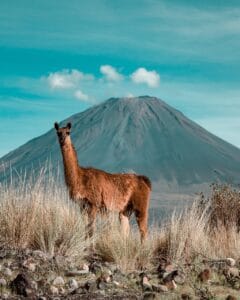
And then there’s the food. People come from all over the world just to eat here. Lima’s got ceviche that tastes like the ocean, lomo saltado sizzling in woks, and seafood dishes dreamed up by chefs who’ve won every award you can think of. Culinary tourism isn’t just a side note here—it’s a main event.
Nature Tourism and the Amazon Rainforest
Peru’s wild side is just as big a draw. The country claims a huge chunk of the Amazon, one of the most biodiverse places anywhere. Head to Iquitos or Puerto Maldonado, and you’ll find yourself at the edge of the jungle. Travelers stay in eco-lodges, drift down winding rivers by boat, and spot monkeys leaping through the canopy or birds flashing bright colors overhead. There’s always something new—strange plants, rare reptiles, unexpected wildlife. Amazon tourism here leans hard into sustainability and learning. Visitors don’t just look; they listen, meeting indigenous communities and discovering why the rainforest matters so much.
Lake Titicaca – Cultural and Spiritual Tourism
Lake Titicaca feels otherworldly. It’s the highest navigable lake on the planet and loaded with meaning for locals. People come to see the floating reed islands, home to the Uros people, and to wander Taquile Island, where life runs to ancient rhythms and traditional outfits are the norm. It’s peaceful, almost meditative. Spending time here connects you with traditions that go back centuries.
Adventure and Mountain Tourism
Adventure seekers? Peru has you covered. The Andes slice right through the country, offering some of the best trekking and climbing you’ll find anywhere. The Inca Trail is legendary—one of those bucket-list hikes. But that’s just the start. The Salkantay and Ausangate treks show off jaw-dropping mountains, glaciers, turquoise lakes, and tiny villages clinging to rocky hillsides. No wonder Peru’s a magnet for hikers, climbers, and anyone who’d rather be outside than in.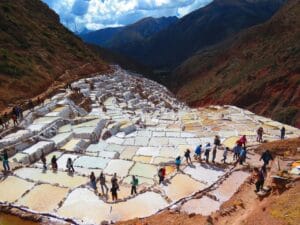
Desert and Mystery Tourism
There’s more to Peru than green jungles and towering peaks. Down south, desert stretches for miles. And right there, carved into the earth, you’ll find the Nazca Lines—massive ancient geoglyphs that nobody’s ever really explained. Most people take to the sky in little planes to see them. It’s surreal, a little eerie, and unforgettable if you’re drawn to ancient mysteries.
Coastal and Beach Tourism
Peru isn’t just mountains and rainforest. It’s got a stunning coastline, too, especially up north. Mancora is the go-to beach town—surf’s up, the seafood’s fresh, and the sunsets can stop you in your tracks.
Festivals and Living Traditions
Festivals here aren’t just events—they’re a way of life. Inti Raymi lights up the city with Inca heritage, music, and wild costumes. Year-round, religious fiestas, fairs, and cultural celebrations fill the calendar. These aren’t museum pieces. Tourists jump in, dance, and taste what it’s like to be part of Peru’s living culture.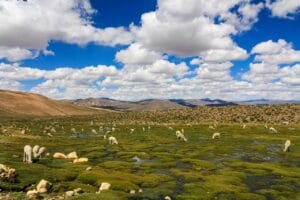
Best Time to Visit Peru
Timing your trip depends on where you’re headed. For Machu Picchu and the Andes, May to September is perfect—the dry season means better weather for hiking. The Amazon’s open all year, but expect more rain at certain times. Plan with the seasons, and you’ll get the most out of your trip.
Economic and Social Importance of Tourism in Peru
Tourism keeps a lot of Peru ticking. It creates jobs, supports families, and helps protect history and nature. More and more, people are pushing for responsible tourism to keep Peru’s heritage safe for the next generation.
Surrounding Places and Neighboring Countries of Peru
Peru sits on South America’s western edge, surrounded by countries as colorful and varied as itself. Its central spot makes it a launchpad for adventures across the continent. Head in any direction and you’ll find something new—towering mountains, endless jungle, sandy deserts, long beaches. The regions around Peru add even more to the journey.
Ecuador – A Close Neighbor with Shared Culture
Head north from Peru and you’ll hit Ecuador, one of its most popular neighbors. The two countries share deep roots from ancient Andean civilizations, so when you cross the border, things just feel familiar—like you never really left. Quito, Ecuador’s capital, stands out for its historic center and colonial buildings that look almost untouched by time. A lot of travelers swing by Ecuador after checking out northern Peru because the vibe, food, and traditions all feel connected. And let’s not forget, Ecuador is your gateway to the legendary Galápagos Islands—a magnet for nature lovers from everywhere. Along the border, you’ll find peaceful towns, lush valleys, and lively markets. It’s the kind of place that makes you want to slow down and soak it all in, which is probably why so many people cross back and forth for a taste of local life.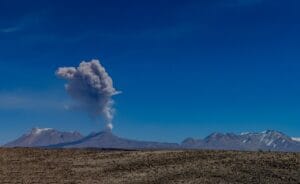
Colombia – A Gateway to Northern South America
Look northeast and there’s Colombia, opening up the rest of the continent. The border between Peru and Colombia is mostly thick Amazon jungle, but that just makes the adventure more interesting. People come here for river journeys along the Amazon, which naturally links the two countries. Leticia, right on the border, is the go-to spot for jungle adventures—think wildlife, meeting indigenous communities, and soaking up river life. Colombia brings something totally different to the table: lively cities, Caribbean flair, and landscapes that shift with every mile. Starting in Peru and heading up into Colombia? You get a real taste of how diverse South America can be.
Brazil – The Giant Neighbor to the East
To the east, Brazil stretches out—by far Peru’s biggest neighbor. Most of the border is just endless Amazon rainforest, packed with more plant and animal life than almost anywhere else. Tourism here is all about nature. People hop between jungle lodges, river towns, and protected reserves. The Amazon River ties everything together, pulling travelers deep into the heart of the rainforest. Brazil feels different too. The language changes, the music picks up, and their festivals make for a wild, unforgettable experience. For anyone coming from Peru, Brazil is a whole new world just next door.
Bolivia – A Land of High Altitude and Tradition
South and a bit east, you’ll find Bolivia. The connection runs deep—both Peru and Bolivia were part of the Inca Empire, and you see it everywhere, from local traditions to the way people dress. Lake Titicaca, right on the border, is a must-see. Tourists love hopping between the Peruvian and Bolivian sides, exploring villages and soaking up the mountain air. And places like La Paz or the Uyuni Salt Flats add bold, unique stops to any trip that starts in Peru. Traveling between these two countries is simple, which is why lots of people visit both in one go.
Chile – Desert Landscapes and Coastal Beauty
Head south and you’re in Chile, where the scenery flips from Peru’s mountains and jungles to endless deserts—the Atacama being the most famous. Crossing into Chile, you get wide horizons, salt flats, and some of the world’s clearest night skies. The coastal cities have a modern feel that’s perfect for travelers after a mix of nature and city comfort. Getting from southern Peru to northern Chile is a breeze, so it’s easy to keep your South American journey rolling.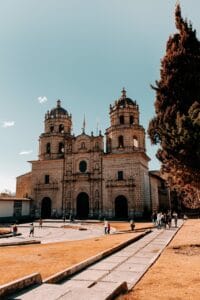
Internal Surrounding Regions Within Peru
Of course, you don’t have to leave Peru to find variety. Northern Peru has ancient ruins, sunny beaches, and a warm, relaxed vibe. Down south, you’ll hit high mountains, wide deserts, and cities rich in history. Head east for a taste of the Amazon, or go west to explore lively coastal towns and ocean views. All these regions are connected, so you can see a lot without ever crossing a border.
Cultural Connections Across Borders
What really ties this whole region together is the culture. Andean traditions, indigenous languages, and age-old customs spill over borders, especially into Ecuador, Bolivia, and Chile. Festivals, music, food, and even clothing feel familiar, no matter which side you’re on. That’s why so many travelers love exploring the neighbors—to really understand what Andean culture is all about.
Transportation and Travel Between Peru and Neighboring Countries
Traveling between Peru and its neighbors is pretty straightforward. International flights, buses, and riverboats link up the big cities and border areas. You can catch a bus to Ecuador, Bolivia, or Chile without much fuss. The Amazon River connects Peru to Brazil and Colombia, offering a different kind of journey. All these options make it easy and affordable to explore more than one country in a single trip.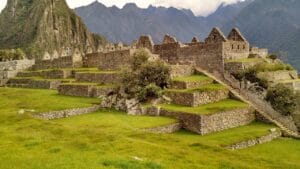
Best Time to Visit Surrounding Countries from Peru
It depends on where you want to go. If you’re dreaming about Machu Picchu or the Andean highlands, May through September is perfect. The Amazon doesn’t really have an off-season—just more rain or less rain, but it stays green and wild all year.
Conclusion
Peru’s one of those rare places that seems to have it all—ancient ruins, mountain cities, wild jungles, and a rugged coastline. It’s right in the middle of South America’s most interesting neighbors too. Ecuador, Colombia, Brazil, Bolivia, Chile—each one brings something different to the table, and they all fit together in a way that makes the region feel like one big adventure. Because the cultures, landscapes, and even the transport links are all so connected, exploring Peru and its neighbors feels natural. You get history, wild nature, and a sense of real discovery, all without a ton of hassle.
Author

Related posts
OPEC
- 0
- 5,679 words
OPEC OPEC stands for the Organization of the Petroleum Exporting Countries. It is an intergovernmental organization created by major oil-producing countries to...
Read out all
How Do I Find Reliable Wholesale Suppliers
- 0
- 9,103 words
How Do I Find Reliable Wholesale Suppliers ? Finding reliable wholesale suppliers is one of the most important tasks for anyone starting...
Read out all
What Is Happening in the World?
- 0
- 5,355 words
What Is Happening in the World? The world is currently experiencing a period of overlapping crises and opportunities. Political disputes, military conflicts,...
Read out all
BRICS
- 0
- 5,794 words
BRICS : History, Members, Economy, Goals, Expansion and Global Influence BRICS is an international grouping of major emerging economies and developing countries...
Read out all
United Kingdom
- 0
- 5,089 words
United Kingdom The United Kingdom, commonly known as the UK, is one of Europe’s most fascinating travel destinations. Officially called the United...
Read out all
Bhutan
- 0
- 4,154 words
Bhutan Travel Guide Bhutan is one of the most fascinating travel destinations in Asia, offering an extraordinary combination of Himalayan landscapes, Buddhist...
Read out all