Pakistan – Vibrant cities, each offering a unique blend of History
Pakistan isn’t just a country—it’s a whole world packed into one place. Think about it: snow-capped peaks, ancient stone cities, wild deserts, and modern, noisy metropolises. It sits right where South Asia, Central Asia, the Middle East, and the Indian subcontinent meet. That crossroads has shaped Pakistan for thousands of years, mixing together a wild range of cultures, religions, and trade routes. These days, people know Pakistan for its jaw-dropping mountains, crumbling ruins, busy cities, and the kind of hospitality that sticks with you. Drive north, and you’ll hit the endless white summits of the Karakoram. Head south, and you’re in the blazing deserts of Sindh. In between, you’ll find green valleys, roaring rivers, and a coastline that stretches out along the Arabian Sea. Pakistan packs a ridiculous amount of landscapes into one country, and that’s a big part of why more travelers are showing up. If you want nature, history, adventure, or just a taste of something real, you’ll find it here.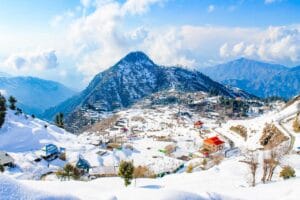
Geographical Location and Global Importance of Pakistan
So, where does Pakistan sit on the map? Smack in South Asia, sharing borders with India, China, Afghanistan, and Iran. The Arabian Sea washes up on its southern edge. This spot has always been valuable—a crossroads for trade, migration, and ideas. The ancient Silk Road cut through here, connecting China to Europe and the Middle East. That brought all kinds of people, who left behind ruins, languages, recipes, and traditions you can still see today.
Historical Background of Pakistan
Pakistan’s history goes way back. Around 2500 BCE, the Indus Valley Civilization built cities like Mohenjo-Daro and Harappa—places with straight roads, brick houses, and advanced plumbing. Empires came and went: Persians, Greeks, Mauryans, Buddhists, Hindus, Muslims. The Mughals left behind gorgeous mosques and forts, then the British rolled in. Finally, in 1947, Pakistan became an independent country—a new home for Muslims from across the subcontinent.
Culture and Traditions of Pakistan
Culture here is a wild mix, too. Each province has its own style, its own food, its own way of celebrating. But everywhere you go, people make guests feel welcome. Family matters. Elders get respect. Music, poetry, and crafts are woven into everyday life. Most people wear shalwar kameez, and festivals light up the calendar all year. If you want a travel experience that’s authentic—and not just made for tourists—Pakistan has plenty to offer.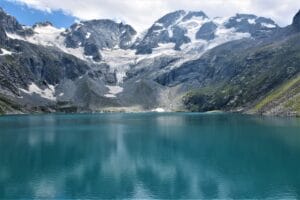
Tourism in Pakistan – An Emerging Global Destination
Pakistan sits in South Asia, bursting with a mix of raw natural beauty, ancient history, and cultures so colorful you can’t help but get swept up. The best part? Most of this place feels real and untouched, far from the crowded tourist hotspots you find elsewhere. Lately, more people are noticing. Travelers keep landing here, searching for something authentic—and Pakistan delivers. Just look at the landscape. You’ve got snow-capped mountains, wild valleys, thick forests, deserts that seem endless, and a coastline that runs for miles. If you want variety, this place has it. And then there’s the history—thousands of years packed into ruins, monuments, and traditions. It’s a magnet for anyone chasing culture or looking for a spiritual journey.
Geographical Diversity and Its Impact on Tourism
Pakistan’s geography is a gift for tourism. You’ll find three giant mountain ranges—the Karakoram, the Himalayas, and the Hindu Kush—towering up north, with some of the tallest peaks on the planet. But that’s just the start. Head south and you’ll hit fertile plains, then deserts, and finally the long, breezy stretch of the Arabian Sea. All this means you can jump from one climate or landscape to another, sometimes in a single day. That opens the door for adventure travel, eco-tourism, and getaways at any time of year.
Mountain and Adventure Tourism in Pakistan
Ask any traveler and they’ll tell you: Pakistan’s northern regions are breathtaking. Gilgit-Baltistan and Khyber Pakhtunkhwa are packed with glaciers, alpine lakes, and wild trekking routes. Hunza, Skardu, Fairy Meadows, Naltar, Swat—these names pop up again and again in travel stories, and for good reason. And then there’s K2, the world’s second-highest mountain. Climbers dream of it, and the challenge draws some of the toughest adventurers out there. Trekking, hiking, rock climbing, rafting, paragliding, off-road jeep safaris—if it gets your blood pumping, you’ll find it here.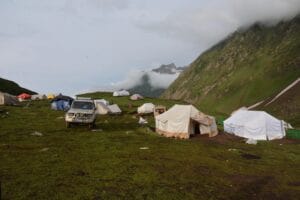
Cultural and Heritage Tourism
History runs deep here. Pakistan stands on ground once home to the Indus Valley Civilization, and sites like Mohenjo-Daro, Harappa, and Taxila still show off that ancient world. Then you’ve got the Mughal era, with Lahore shining brightest—think Badshahi Mosque, Lahore Fort, Shalimar Gardens. You walk these places and you feel the centuries crowding around you. Heritage tourism isn’t just about old stones. It’s about wandering through forts, palaces, and cities where every corner tells a story from a different time.
Religious and Spiritual Tourism
This land is sacred for so many faiths. Islam, Buddhism, Hinduism, Sikhism—they all have strong roots here. Muslim pilgrims come to shrines like Data Darbar in Lahore or Shah Abdul Latif Bhittai’s in Sindh. Sikhs travel from all over to visit Gurdwara Darbar Sahib through the Kartarpur Corridor. Buddhists trace their way to ancient monasteries in Takht-i-Bahi and Taxila. So, Pakistan draws in people searching for something spiritual, some connection to their faith or their past.
Urban Tourism in Major Cities
Don’t skip the cities. Islamabad feels calm and green, a city where you can catch your breath. Faisal Mosque, Margalla Hills, Daman-e-Koh—they’re all worth a stop. Lahore, on the other hand, is pure energy—food, festivals, music, and history wrapped into one place. Karachi’s a beast of a city, loud and sprawling, but it’s got beaches, museums, and a nightlife that never really ends. Each city has its own flavor, and together they show off the modern side of Pakistan.
Eco-Tourism and Natural Parks
Eco-tourism is on the rise. People want to see nature, not just monuments, and Pakistan’s parks deliver. Deosai, Hingol, Ayubia, Khunjerab—each one is different, filled with wildlife, lakes, and landscapes you won’t forget. It’s not just about sightseeing. Eco-tourism helps protect these places and supports the people who live nearby. That’s a win for everyone.
Desert and Coastal Tourism
There’s a different kind of magic in the deserts and along the coast. The Thar Desert in Sindh draws travelers with its festivals, folk music, and villages where traditions still live on. The clothes, the colors, the rhythm of daily life—it’s an experience all its own. Head south and you hit the coast. Karachi, Gwadar, Ormara—these cities serve up beaches, fresh seafood, and sea views that stretch forever. Coastal tourism is still finding its feet, but it’s got huge potential.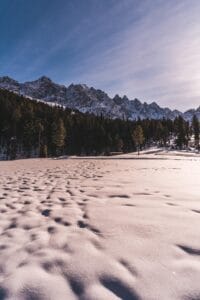
Food and Culinary Tourism
Pakistani food isn’t just something you eat—it’s something you live. Every region throws its own spin on flavors and cooking styles, so you get new surprises everywhere you go. From fiery street snacks to big, cozy family dinners, food really sits at the center of travel here. It’s a huge part of why people come. Lahore steals the show when it comes to food. People rave about the biryani, kebabs, nihari, and all the sweet halwas.
Hospitality and Local Experiences
Ask anyone who’s spent time in Pakistan what stood out, and they’ll tell you about the hospitality. People are open, warm, and always ready to help. Up north, travelers stay with local families, share home-cooked meals, and get a real feel for daily life.
Tourism Development and Future Potential
Pakistan’s changing fast. Roads are better, visas are easier, and the country is working hard to share a brighter, more welcoming face with the world. Social media and travel bloggers have picked up on the country’s beauty and stories, helping spread the word. With a focus on safety, smart tourism, and telling its own story, Pakistan’s ready to stand alongside Asia’s top travel spots.
Major Cities of Pakistan
Each city in Pakistan has its own vibe. Some are ancient, packed with tradition, while others are all abo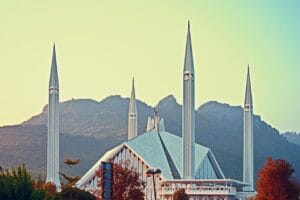 ut energy and ambition. These places shape what Pakistan is all about and keep people coming back—whether they’re chasing history, food, or just the feeling of being welcomed.
Islamabad – The Capital City of Pakistan
Islamabad doesn’t fit the usual capital city mold. It’s up against the Margalla Hills—clean, green, and carefully laid out. Wide roads, quiet neighborhoods, and a peaceful pace set it apart from other big cities. Nature lovers and culture fans both find plenty here. The Faisal Mosque is massive and striking, while spots like Daman-e-Koh or Monal give you jaw-dropping views. Margalla Hills National Park is great for a hike. If you want to dig into local culture, check out the Lok Virsa Heritage Museum.
Lahore – The Cultural Heart of Pakistan
Lahore is packed with history, art, and a nonstop buzz. It’s been a cultural hub for centuries, shaped by Mughal, Sikh, and British influences. You’ll spot this mix everywhere—at the Badshahi Mosque, Lahore Fort, Shalimar Gardens, or getting lost in the old Walled City. And the food? People travel from all over just to eat here. Street food is legendary. With its festivals, events, and endless things to do, Lahore is always at the top of any Pakistan travel list.
Karachi – The Economic and Coastal Hub
Karachi is huge—Pakistan’s biggest city and its business heart. Sitting right by the Arabian Sea, it never really slows down. It’s where the country’s main port is, so trade and hustle are everywhere. Tourists check out Clifton Beach, Hawke’s Bay, and the grand Quaid-e-Azam Mausoleum. History fans head to the Maritime Museum or Frere Hall. Karachi mixes shopping, food, and culture, and the sea brings a special energy you won’t find anywhere else in the country.
Peshawar – The City of Ancient History
Peshawar feels like you’re walking through history. One of South Asia’s oldest cities, just near the Khyber Pass, it’s been a meeting point for traders and travelers forever. Stroll through Qissa Khwani Bazaar or the old city, and you’re basically stepping into another era. Ancient mosques, old markets, and strong Pashtun traditions make Peshawar truly unique. Come for the deep history, stay for the food and the people.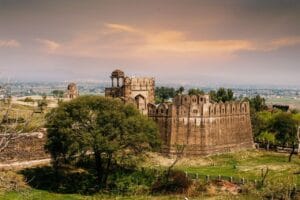
Quetta – The Mountain City
Quetta is different. Surrounded by mountains, it’s cooler and life moves slower. The city’s famous for its fruit—especially apples and grapes that are seriously good. Visitors head out to Hanna Lake for the views, drop by the Archaeological Museum, or just take in the scenery. Quetta is the launching pad for anyone wanting to explore the wild, fascinating Balochistan region.
Multan – The City of Saints
Multan shows its history everywhere you look. Called the “City of Saints,” it’s full of Sufi shrines and ancient forts. People come from all over for its spiritual roots. You’ll see the impressive shrines of Shah Rukn-e-Alam and Bahauddin Zakariya, plus lively bazaars and the old city walls. Religious tourism brings many here, but the city’s atmosphere and depth keep its memory with you long after you leave.
Faisalabad – The Industrial City
Faisalabad stands out as Pakistan’s industrial powerhouse, especially when it comes to textiles. Sure, it’s famous for business, but that’s only part of the story—there’s real cultural and historical weight here too. The city’s layout isn’t like anywhere else in Pakistan. It’s shaped like the British flag, with the Clock Tower at the center and a web of lively bazaars spreading out around it.
Hyderabad – City of History and Handicrafts
Down in Sindh province, Hyderabad carries a vibe that’s all its own. It’s packed with historic sites and is a hub for crafts. Sindhi traditions run deep here. Hyderabad is also the place to pick up handmade bangles and those famous Sindhi caps.
Sialkot – City of Sports and Industry
Sialkot might be smaller, but it’s got a big reputation around the world—especially for making sports gear. If you’ve ever watched a World Cup football match, chances are the ball was made here. It’s also where philosopher Allama Iqbal was born. People visit Sialkot for its historical sites and unique cultural spots, plus there’s a growing interest in seeing how all those famous sports goods get made.
Gilgit – Gateway to Northern Pakistan
Gilgit sits up in the heart of Gilgit-Baltistan and acts as the jumping-off point for adventures in the north. It’s surrounded by some of the world’s highest mountains and draws in hikers, climbers, and just about anyone who loves a good view. From Gilgit, you can head out to places like Hunza Valley, Skardu, or hit the Karakoram Highway. Tourists come here for the mountains, the culture, and honestly, the kind of beauty you just don’t find anywhere else.
Historical and Heritage Tourism in Pakistan
Pakistan has a treasure trove of UNESCO World Heritage Sites—think Mohenjo-Daro, Taxila, Takht-i-Bahi, and Lahore Fort. These places tell stories of ancient civilizations and the region’s Buddhist, Hindu, and Islamic roots. People into history or researching ancient cultures love exploring these sites. There’s just so much history packed into one country.
Natural Beauty and Eco-Tourism
Pakistan doesn’t just have cool cities—it’s got deserts, forests, lakes, rivers, and a long coastline. Spots like Deosai National Park, Saiful Muluk Lake, Attabad Lake, and Hingol National Park are favorites for anyone looking for nature or eco-friendly adventures. Eco-tourism is catching on fast, with more travelers looking to experience the country’s wild side in a way that’s sustainable.
Surrounding Countries and Places
Pakistan sits in a pretty unique spot in South Asia. Its neighbors bring a whole mix of cultures, history, and travel opportunities. Thanks to this location, the country acts as a bridge between South Asia, Central Asia, the Middle East, and East Asia.
India – Cultural and Historical Neighbor
To the east, you’ve got India. The two countries share a long border and an even longer history—cultural, historical, and linguistic ties that go back thousands of years. Tourists often visit places near the border, like Amritsar with its stunning Golden Temple, or Delhi with its Mughal monuments.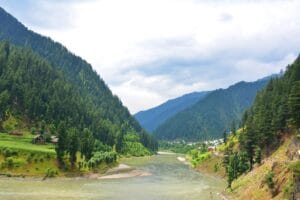
Afghanistan – Gateway to Central Asia
Northwest of Pakistan lies Afghanistan. It’s long been a route for trade and culture moving between South and Central Asia. The Khyber Pass, connecting the two, has seen travelers and traders for centuries. Cities like Kabul, Bamiyan, and Herat are packed with ancient history and culture. There’s a real sense of shared heritage between Afghanistan and Pakistan’s Khyber Pakhtunkhwa province.
Iran – Middle Eastern Cultural Influence
Head west and you hit Iran, bringing its deep Persian culture right up to Pakistan’s border. The connection runs through the Balochistan region. Travelers often head to Iranian cities like Zahedan, Mashhad, Isfahan, and Tehran. Religious journeys are popular, especially for those visiting holy sites. The border region isn’t just about travel, either—it’s a key route for trade and cultural exchange.
China – Strategic and Scenic Neighbor
Up north and northeast, there’s China—one of Pakistan’s closest partners. The Karakoram Highway links the two, and it’s not just an engineering marvel, it’s also one of the most scenic routes you’ll ever drive. Tourists often cross between Kashgar in China and Gilgit-Baltistan in Pakistan, soaking up mountain views and the unique mix of cultures you find at the crossroads of Asia.
Afghan and Central Asian Regions
Pakistan sits right next to Afghanistan and isn’t far from Central Asian countries like Tajikistan, Uzbekistan, and Turkmenistan. These places are famous for their old Silk Road cities, stunning Islamic architecture, and deep-rooted traditions. Even though it’s not always easy to travel directly between them, a lot of people mix trips to Pakistan with adventures into Central Asia. Being so close to these regions really boosts Pakistan’s appeal for travelers looking for something different.
Arabian Sea – Coastal Neighbor
Head south and you’ll hit the Arabian Sea, which opens up Pakistan to the Middle East and Africa. Karachi and Gwadar, two of Pakistan’s major coastal cities, work as busy ports and entry points. Just across the water, you’ve got Oman and the United Arab Emirates—both big draws for tourists in their own right. For centuries, sea routes linked Pakistan with Arab traders. It’s one reason why you’ll spot hints of Arab influence in local food and culture.
Azad Kashmir & Himalayan Regions
Up north, Pakistan stretches into the mighty Himalayas, including Azad Jammu and Kashmir and Gilgit-Baltistan. Think dramatic mountains, wild rivers, and valleys that look like something straight out of a postcard. Travelers usually don’t stop in one place—they’ll make their way to spots like Neelum Valley, Hunza, and Skardu.
Conclusion
It’s a place where you can still find untouched landscapes, honest culture, and people who really do welcome you in. Each city in Pakistan feels different. Some are peaceful and calm, others buzz with history and culture, and a few sit right where the mountains meet the sky. As more people start to visit, these cities will help shape how the world sees Pakistan. Plus, being so close to all these different regions means you get a mix of cultures and easy travel routes, whether you’re interested in South Asian traditions, Central Asian history, the Middle East, or the mountains shared with China. From ancient ruins and rugged peaks to sacred sites and lively modern cities, Pakistan really does have something for everyone.
Author

sadikhan.ceo@gmail.com
Related posts
Seychelles
- 0
- 2,644 words
Seychelles : A Dream Destination in the Indian Ocean You hear about places as “dream destinations” all the time, but Seychelles totally...
Read out all
Serbia
- 0
- 2,789 words
Serbia Travel Guide: Regions of the Balkan Nation Serbia sits right at the heart of the Balkans, and honestly, it’s one of...
Read out all
Senegal
- 0
- 2,277 words
Senegal Travel Guide: Discover the Culture, History, Tourism, and Surrounding Regions of West Africa Welcome to Senegal—a place that really captures the...
Read out all
Saudi Arabia
- 0
- 2,914 words
Saudi Arabia: A Powerful Nation in the Middle East and Global Importance of the Kingdom Saudi Arabia stands out as one of...
Read out all
Saint Lucia
- 0
- 2,617 words
Saint Lucia: Discover the Natural Beauty, Culture, Tourism, and Global Connections of the Caribbean Island Saint Lucia is one of those places...
Read out all