Oman – Western Asia with major Sea Routes
Oman is one of the most fascinating and peaceful countries of the Arabian Peninsula, but don’t let its peaceful vibe fool you. This country has a way of drawing people in—travelers rave about its wild deserts, craggy mountains, turquoise shores, ancient forts, and lively markets. It’s one of those rare places where the past and present actually get along: you’ll find Wi-Fi and air-conditioning, but you’ll also see old traditions everywhere you go. The Omani people? Genuinely warm. The country? Safe, calm, and welcoming. No wonder it’s a favorite for anyone who prefers real experiences over flashy tourist traps.
Geographical Location and Global Importance of Oman
You can thank Oman’s location for a lot of this. It sits right between Saudi Arabia, the UAE, and Yemen, with a long stretch of coastline hugging both the Arabian Sea and the Gulf of Oman. Because of these sea routes, Oman was always a bridge between Asia, Africa, and the Middle East. Trade, travel, and ideas have been flowing through here for centuries, so you get this cool mix of influences. Geography-wise, Oman packs a lot in: mountains up north, deserts and plains in the center, and the monsoon-soaked, green Dhofar region down south. The diversity is real, and for tourists, that means you never run out of landscapes to explore.
History and Cultural Heritage of Oman
History runs deep here. People have been living and trading in Oman for thousands of years—think ancient connections with Mesopotamia, India, East Africa. Later, Oman built its own seafaring empire and left its mark on the East African coast. Omani culture is shaped by Islam, sure, but it’s also about openness and old-school hospitality. You’ll see locals in traditional dress, hear stories that go back generations, and probably get offered coffee and dates more than once. Don’t expect “living museum” vibes—culture here is alive and everywhere.
Tourism in Oman – A Unique and Authentic Experience
Tourism in Oman is growing, but the country isn’t chasing numbers. Instead, they want travelers who care about authenticity, nature, and meaningful experiences. You won’t find crowds trampling the sights or resorts swallowing up the coast. Instead, you get unspoiled places—villages that still live by old rhythms, mountains that haven’t seen a bulldozer, and beaches where the only footprints might be your own.
Cultural and Heritage Tourism in Oman
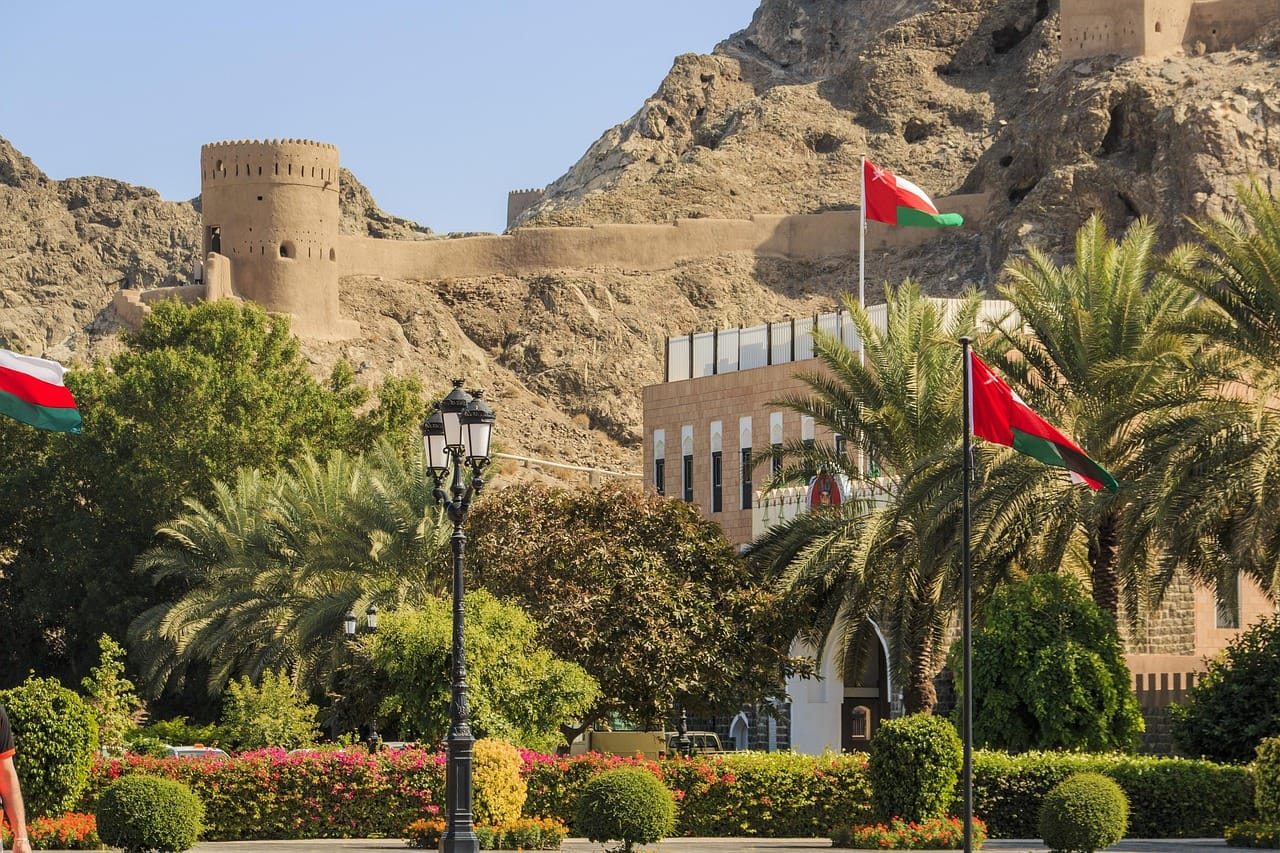
Heritage is everywhere you look: Nizwa Fort, Bahla Fort, Jabrin Castle—they’re not just pretty buildings, they’re stories you can walk through. Locals still celebrate traditions every day, so whether you’re watching the goat market in Nizwa or chatting with someone over sweet Omani tea, you’re part of something real. City life is mellow too. Muscat and other cities blend the old and the new without losing their roots.
City Tourism and Urban Experiences
Oman’s souqs are more than just places to shop—they’re woven into daily life and culture. Take Mutrah Souq in Muscat, for example. It’s one of the oldest in the region, and honestly, wandering through its narrow lanes is an experience in itself. The air is thick with the scent of spices and frankincense, stalls shimmer with silver jewelry, and you’ll spot racks of colorful traditional clothing everywhere you look.
Mountain Tourism and Scenic Landscapes
The Hajar Mountains are just stunning—cooler air, dramatic views, and a sense of space you can’t find anywhere else in Oman. Jebel Shams stands tall as the country’s highest peak, and honestly, it’s no wonder people call it the Grand Canyon of Arabia. Hikers love it, and you see photographers everywhere chasing that perfect shot. Then there’s Jebel Akhdar, the Green Mountain. You get terraced farms, bursts of roses in bloom, and the kind of quiet that makes you want to just stop and breathe it all in. What’s great about mountain tourism here is the way it pulls you into the heart of Omani life. Wandering through traditional villages, taking in the sweeping views—it’s peaceful, and you really do feel closer to nature. Plus, the crowds are small, so you can actually hear yourself think.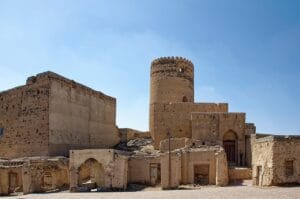
Coastal and Marine Tourism in Oman
Oman stretches out along miles and miles of coast, and that’s a big deal for anyone who loves the sea. The beaches? They’re usually spotless, quiet, and sometimes you’ll have a whole stretch to yourself. Sur and Salalah are two coastal cities that stand out, both for their beautiful beaches and their mix of local culture. Out on the water, there’s plenty to do. Snorkeling, diving, watching dolphins play, or heading out at night to see turtles nesting—it’s all here. Ras Al Jinz Turtle Reserve is a real highlight, especially if you’ve never seen sea turtles up close. With all this marine life, Oman keeps drawing in more travelers who want a real ocean adventure.
Religious and Spiritual Tourism
For spiritual travelers, Oman’s mosques are more than just places of worship—they’re living pieces of the country’s history. The Sultan Qaboos Grand Mosque is the big one. Its architecture stuns, and the atmosphere is so peaceful it sticks with you long after you leave. Everyone’s welcome, no matter where you’re from. Across Oman, other mosques and shrines tell stories of deep-rooted faith. There’s a calmness in these places, and they invite you to pause, reflect, and maybe learn something new.
Shopping and Souq Tourism
If you want to get a real taste of Omani life, head to the souqs. These traditional markets are alive with color and sound. Mutrah Souq in Muscat tops the list—spices fill the air, there’s silver jewelry glittering under the lights, and you’ll spot all kinds of handmade crafts. Shopping here isn’t just about picking up souvenirs—it’s about diving into local culture for a while.
Forts, Castles, and Heritage Sites
Oman’s landscape is dotted with forts and castles, each one guarding stories from the past. Nizwa Fort, Bahla Fort, and Jabrin Castle are some of the best known, and they’re still in great shape. Walking through these places, you get a real sense of how people once lived and governed.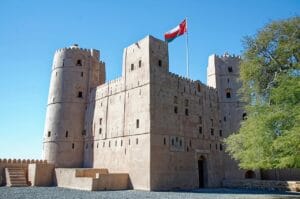
Traditional Markets and Local Crafts
Souqs are woven into the fabric of Omani tourism. Take Mutrah Souq—it’s not just old, it’s legendary. Stalls are crammed with spices, silver jewelry, incense, and the kind of clothing you won’t find anywhere else. Handicrafts are still very much alive here.
Major Cities in Oman – A Detailed Travel and Tourism Guide
Oman is where old and new really do sit side by side. Its cities matter a lot—each one shapes daily life, culture, and tourism in its own way. Sure, the deserts, mountains, and coastline are famous, but the cities bring another layer: deep history, vibrant culture, and, honestly, a pretty comfortable travel experience. Every major city has its own personality, its own reasons to visit, and that’s why exploring Omani cities is such a big part of the adventure.
Muscat – The Capital and Cultural Heart of Oman
Muscat sits between the Hajar Mountains and the Gulf of Oman, and the setting alone is worth the trip. It’s the capital and the first taste of Oman for most visitors. Unlike a lot of capitals, Muscat has managed to hold on to its traditional charm. You won’t see many high-rises—just low, whitewashed buildings that catch the sunlight and give the city a distinctive look. If you’re after culture, Muscat delivers. The Sultan Qaboos Grand Mosque is stunning, inside and out. The Royal Opera House shows how much Oman values the arts. Down by the sea, the Mutrah Corniche is perfect for a stroll, while Mutrah Souq nearby lets you dive into the real marketplace buzz.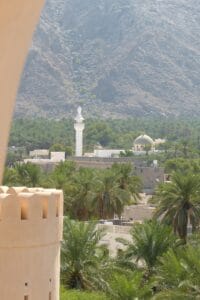
Nizwa – The Historical Capital of Oman
Nizwa stands out as one of Oman’s most historic cities. It used to be the country’s capital, and you can feel that sense of importance right away. Nizwa Souq is a must, packed with silver, pottery, spices, and handmade crafts. The city is also a hub for Islamic learning and culture. If you’re looking for history and a deep dive into Omani tradition, Nizwa hits the mark.
Salalah – The Green City of Southern Oman
Head south to Salalah, and you’ll see a totally different side of Oman. During the Khareef, the summer monsoon, the whole city turns lush and green. Temperatures drop, clouds roll in, and people travel from all over the Middle East just to enjoy the cool air and misty landscape. Beaches lined with coconut trees, hidden waterfalls, and green mountains set the scene. Salalah’s story goes beyond the scenery, though. You’ll find ancient ruins and traces of the old frankincense trade everywhere. If you love nature and want something more relaxed, Salalah is the place to be.
Sur – The Maritime Heritage City
Sur hugs the eastern coast and has the sea in its bones. For centuries, it was a major port and a center for building traditional wooden dhow boats. You can still see craftsmen at work in the dhow yards, keeping old skills alive. Visitors come to explore the waterfront, check out the historic shipyards, and visit nearby spots like Ras Al Jinz, where turtles nest.
Sohar – The Industrial and Historical City
Up north, Sohar sits on the Gulf of Oman. It’s one of the country’s oldest cities and was once a big trading port—some even say Sinbad the Sailor was born here. These days, Sohar is a major industrial hub, but it hasn’t lost touch with its roots. There are forts, old mosques, and stretches of coast to explore. Sohar’s location also makes it an important link to neighboring countries.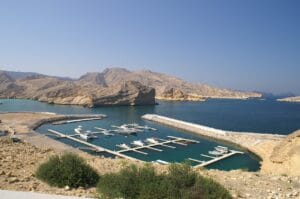
Ibri – Gateway to Western Oman
Ibri lies out west, near the UAE border. It’s a city with ancient bones—archaeological sites, old settlements, and mysterious burial grounds tell stories from Oman’s earliest days. This is where you can really get a sense of the country’s rural past. The region around Ibri is peaceful, full of natural beauty and deep history.
Bahla – The City of Forts and Traditions
Bahla sits quietly in the heart of Oman, but it’s packed with history. The town’s claim to fame is Bahla Fort—one of the oldest and biggest in the country, and it’s not just locals who say so. UNESCO put it on their World Heritage list. Walk around and you’ll see pottery everywhere. People here have shaped clay into everything from jugs to lamps for generations. Life in Bahla still feels traditional. Mud-brick houses line the streets, ancient walls tell stories, and the local customs run deep. If you visit, you don’t just get a quick peek into Omani heritage—you really feel it. That’s why Bahla draws travelers who want more than just pretty pictures; they want to understand where Oman comes from.
Khasab – The Capital of Musandam
Head up to the Musandam Peninsula and you’ll find Khasab, kind of cut off from the rest of Oman by the UAE. It’s famous for its dramatic fjords—people call it the “Norway of Arabia,” and honestly, they’re not exaggerating. Mountains crash into the sea, and the views are unreal. Most folks come here for the adventures: hop on a traditional dhow cruise, watch dolphins play in the waves, or grab a snorkel and dive in. Khasab feels remote, and that’s a big part of its charm. With its wild geography, it’s become a go-to spot for eco-tourism and anyone chasing a bit of adventure in Oman.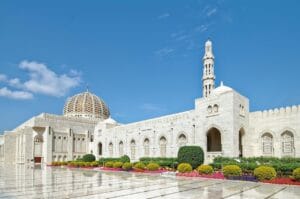
Duqm – The Emerging Modern City
Duqm doesn’t have the centuries-old history of Bahla or dramatic landscapes like Khasab, but it’s buzzing with potential. It’s right on Oman’s central coast, and you can feel the energy of a place on the rise. The city is at the heart of a huge economic push to diversify the country’s future. Tourism hasn’t exploded here yet, but the long, quiet beaches and strange rock formations are worth the detour. It’s peaceful—almost untouched. As new roads and buildings go up, Duqm’s set to become a hot spot for both coastal getaways and business travelers. The city is pretty much Oman’s blueprint for balanced, modern growth.
Surrounding Countries and Places Around Oman
Oman sits on the southeastern edge of the Arabian Peninsula, in a spot that’s always been strategic. All around it, you’ve got countries, seas, and travel routes that have shaped Oman’s culture, economy, and the way people move through this part of the world.
United Arab Emirates (UAE) – Oman’s Closest and Most Visited Neighbor
Just northwest of Oman, the UAE is right next door, and the connection is strong. People, goods, and ideas flow easily between the two. Tourists love the road trip between Muscat and cities like Dubai and Abu Dhabi—one minute you’re in the calm of Oman, the next you’re surrounded by the UAE’s skyscrapers and shopping malls. The contrast is striking. Oman’s got the heritage and natural beauty; the UAE brings the glitz and modern life. Lots of travelers visit both countries in one trip, and border crossings are smooth and well-managed, so it’s easy to go back and forth.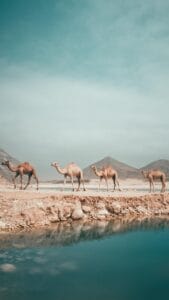
Saudi Arabia – The Large Desert Neighbor
To the west, Saudi Arabia looms large—literally, it’s the biggest country on the peninsula. Oman and Saudi share more than just a border; their traditions and cultural roots run deep. These days, new roads are making it easier to travel between the two. Saudi Arabia’s become a magnet for those interested in religious history, desert adventures, and new tourism projects. Pairing Oman with Saudi on a trip gives you two very different slices of Arabia, both rich in history.
Yemen – Cultural and Historical Connection
Down southwest, Yemen shares a border with Oman near Dhofar. The two have traded goods, traditions, and stories for ages—frankincense especially. If you wander around Salalah in southern Oman, you’ll notice the similarities—architecture, food, and even the weather remind you of Yemen. Travel’s tough right now, but Yemen’s influence is everywhere in the south. It’s a neighbor that’s shaped Oman’s identity in ways you can still see and taste.
Arabian Sea – Gateway to Oceanic Travel
Oman’s southern and eastern shores meet the Arabian Sea, opening the country up to South Asia, East Africa, and beyond. For centuries, Omani sailors crossed these waters for trade and adventure. Today, the Arabian Sea is all about fishing, beaches, and water sports. Cities like Salalah, Duqm, and Sur thrive because of the sea. Locals and visitors head out for whale watching, diving, or just to relax by the coast.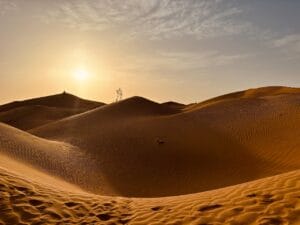
Gulf of Oman – Northern Maritime Border
Up north, the Gulf of Oman separates Oman from Iran and links the Arabian Sea with the Strait of Hormuz. Cities like Muscat and Sohar hug its coastline. The gulf is a lifeline—ships, fishing boats, and tourists all rely on it. Boating, snorkeling, and lazy days by the water are a big part of life here. The calm, scenic coastline keeps northern Oman’s tourism scene buzzing.
Strait of Hormuz – Strategic Waterway Near Oman
Right next to Oman’s Musandam Peninsula, the Strait of Hormuz squeezes the world’s oil traffic through a narrow gap. It’s one of those places everyone talks about, but when you actually see it, the scale hits you—the tankers sliding by, the blue water, the cliffs rising up. But it’s not just about oil. The Musandam region offers wild fjords, water so clear you can see straight to the bottom, and dolphin-watching trips that feel like a different world.
Iran – Across the Sea Neighbor
Look north across the Gulf of Oman, and there’s Iran. For centuries, ships moved between these shores, carrying goods, ideas, and stories. That connection is still alive—shipping routes, cultural ties, and cooperation flow back and forth.
Indian Subcontinent – Historic Trade Partner
Turn south-east, cross the Arabian Sea, and you’re looking at the Indian subcontinent—India, Pakistan, and beyond. Oman’s ties here run deep. Trade, migration, and culture have woven the regions together for centuries, and a lot of Omanis can trace their family roots back to South Asia. Now, with direct flights and busy shipping lanes, the connection keeps growing. You can taste it in Omani food, hear it in the language, and see it in local business life. For visitors, Oman is a real bridge between the Middle East and South Asia.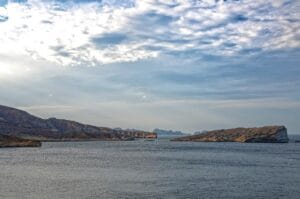
East Africa – Historical Maritime Connection
Sail west, and you hit East Africa—Zanzibar, the Tanzanian coast, and memories of Oman’s old empire days. Oman once ruled stretches of this coastline, and the echoes still ring out in the buildings, the Swahili language, and the spicy, rich food.
Musandam Peninsula – A Surrounded Region Within Oman
The Musandam Peninsula sits apart, cut off from the rest of Oman by the UAE. It’s surrounded by foreign land and open sea, which gives it an out-there, almost hidden feel. The landscapes are wild and jagged, like Norway’s fjords but with Omani sun and silence. This spot, close to the Strait of Hormuz, is perfect for cruises, snorkeling, and getting lost in nature. It feels remote, but you’re never far from the world’s busiest sea lanes.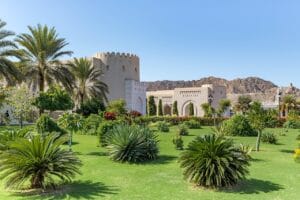
Conclusion
Oman isn’t just another pin on the map. It’s a country where stories, landscapes, and old traditions still matter. You walk through forts, hike up mountains, or watch the sunset over the sea, and you realize every place here has a story. Tourism keeps growing, but Oman hasn’t lost what makes it special. For travelers who want depth, beauty, and something real, Oman stands out—not just in the Middle East, but anywhere.
Author

sadikhan.ceo@gmail.com
Related posts

Serbia
- 0
- 2,789 words
Serbia Travel Guide: Regions of the Balkan Nation Serbia sits right at the heart of the Balkans, and honestly, it’s one of...
Read out all
Senegal
- 0
- 2,277 words
Senegal Travel Guide: Discover the Culture, History, Tourism, and Surrounding Regions of West Africa Welcome to Senegal—a place that really captures the...
Read out all
Saudi Arabia
- 0
- 2,914 words
Saudi Arabia: A Powerful Nation in the Middle East and Global Importance of the Kingdom Saudi Arabia stands out as one of...
Read out all
Saint Lucia
- 0
- 2,617 words
Saint Lucia: Discover the Natural Beauty, Culture, Tourism, and Global Connections of the Caribbean Island Saint Lucia is one of those places...
Read out all