

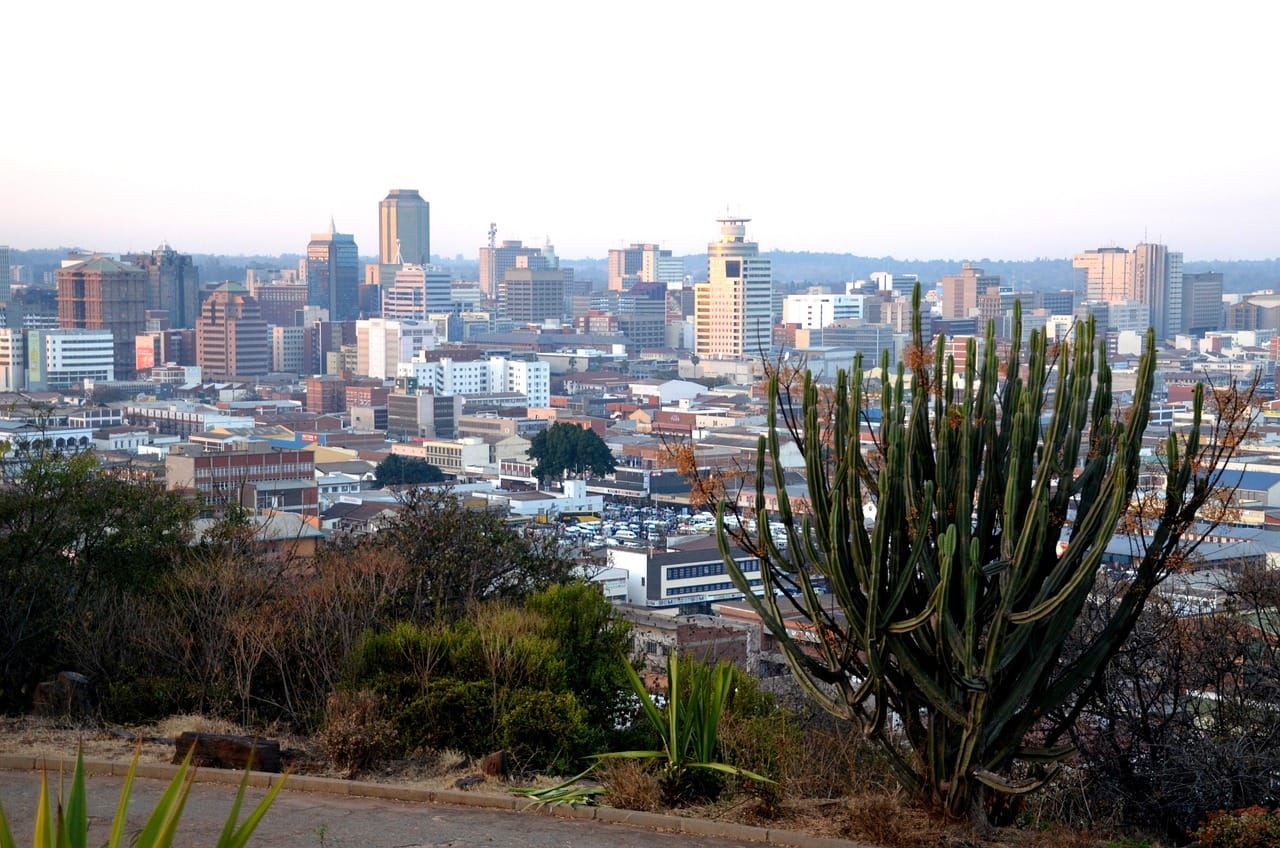
Harare, Zimbabwe – Spotlight like Nairobi or Cape Town
Harare doesn’t always get the spotlight like Nairobi or Cape Town, but it’s got its own charm. Sitting up in the northeastern part of Zimbabwe, this city is where the country’s politics, business, and culture all come together. It’s big, busy, and full of energy, but there’s a gentleness to it too. You’ll find a city that’s modern in places, deeply rooted in African tradition in others, and always buzzing with friendly people. Travelers come here for the art, the history, the wildlife, or just to soak up life at a different pace. Honestly, it’s not like those frantic megacities where you feel lost in the shuffle. Harare feels open, almost calm. Wide streets, lots of trees, and big green parks make it easy to breathe here. And thanks to its high elevation—about 1,500 meters above sea level—the weather’s pretty much pleasant year-round. Summers don’t roast you, winters stay cool and dry, and you never have to worry about the climate ruining your plans. That’s a big part of why people find Harare welcoming, easy on the budget, and just a great spot for exploring Zimbabwean culture.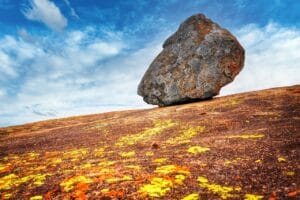
Geographical Location and Climate of Harare
Harare stands on the Highveld plateau, way up above sea level, so you get these crisp, mild days that just keep coming, no matter the season. The summers are warm but not stifling, and winters mean blue skies and cool air. You can’t really go wrong, whether you want to hike, wander markets, or just hang out in the parks. Step just outside the city, and you’ll hit green farmland and rolling countryside. It’s all surprisingly close, so you can switch from city life to rural peace in no time. This mix of urban and rural makes Harare feel unique—and it’s not just pretty. The fertile land around the city supports local farming and adds to that laid-back vibe.
History and Cultural Background of Harare
Harare’s story ties in with the whole of Zimbabwe’s. Back in colonial days, it was called Salisbury. That changed in 1980, right after independence—Harare comes from the name of a local Shona chief, rooting the city in its African heritage. The city is a living showcase of Zimbabwean culture. Most folks here are Shona, but you’ll meet Ndebele people and other groups too. There’s a blend of old and new everywhere: traditional music and crafts are still part of daily life, but you’ll spot modern art, funky fashion, new ideas in business and education. It’s lively, diverse, and always evolving.
Tourism in Harare – A Growing Travel Destination
If you’re looking for five-star beach resorts, you’re in the wrong place. Harare is all about real experiences—connecting with locals, getting into the culture, and seeing a city that’s proud of its roots. Lots of people start their Zimbabwe trip here before heading off to see the big names like Victoria Falls or Hwange National Park. But there’s plenty to do in Harare itself. Museums, art galleries, sprawling city parks, colorful markets—you won’t run out of ways to fill your days. If you want to learn, meet people, or just soak up the city’s energy, you’ll find something that grabs you.
Major Tourist Attractions in Harare
National Gallery of Zimbabwe – Center of Art and Creativity
Right in the heart of Harare, this place is the soul of Zimbabwean art. The National Gallery is a must-see, mixing old traditions with modern creativity. You’ll find everything from contemporary African paintings to wild mixed-media installations and, of course, Zimbabwe’s famous stone sculptures. These sculptures aren’t just beautiful—they’re loaded with meaning and connect deeply to the country’s history and spirituality. Exhibits change all the time, so you never step into the same gallery twice.
Zimbabwe Museum of Human Sciences – Understanding the Nation’s Past
If you’re even a little bit curious about the country’s past, don’t skip this museum. It’s packed with archaeological finds, ancient tools, traditional clothes, musical instruments, and all sorts of artifacts that tell the story of Zimbabwe’s people. Walking through, you get a sense of how folks lived, what they valued, and how Zimbabwe’s culture grew over time. It’s not just for history buffs—anyone can come away with a new appreciation for the country.
Mukuvisi Woodlands – Wildlife Experience in the City
You don’t have to leave the city to get up close with wildlife. Mukuvisi Woodlands sits right in Harare and gives you a real taste of the wild. Walk the trails and you might spot giraffes, zebras, antelopes, or a rainbow of birdlife. It’s a little escape from city life, perfect for nature lovers or anyone who needs a break from the urban buzz.
Harare Gardens – Peaceful Green Space
Right in the heart of Harare, there’s a huge park called Harare Gardens. It’s where people go when they need a break from the chaos—locals taking lunch under the trees, tourists snapping photos, kids running on the grass. The whole place feels peaceful. You’ll find shady paths, wide open lawns, and tall trees that muffle the city noise. Since it’s so close to everything, city tours often swing by, and honestly, it’s a breath of fresh air if you’ve been wandering through busy streets all day.
Mbare Musika Market – Local Life and Culture
If you want to see Harare in full color, head to Mbare Musika Market. This place is always buzzing. People crowd around tables stacked high with veggies, grains, crafts, and anything else you can imagine. It’s more than just a market; it’s a real slice of everyday Zimbabwe. For visitors, it’s a chance to see what life here is actually like, not just the tourist version. You’ll walk away with a better sense of local food, trade, and culture—and probably a few stories too.
Chapungu Sculpture Park – Outdoor Art Experience
Just outside the city, there’s Chapungu Sculpture Park, and it’s something special. Zimbabwe is known for its stone sculptors, and here you can wander through gardens dotted with their work. Huge stone figures rise up out of the grass and trees. You get to see the artists’ talent up close, and if you’re lucky, you might catch a cultural event or exhibition happening right there. Art lovers and curious visitors both find something to enjoy.
National Heroes Acre – Monument of National Pride
National Heroes Acre stands on a hill, looking out over Harare. It’s not just a monument; it’s a place that tells the story of Zimbabwe’s fight for independence. Statues, murals, and a small museum lay out the history. You can walk through and really feel the weight of what happened here. And while you’re at it, take in the sweeping views of the city below—it’s impressive. Visiting here gives you a window into Zimbabwe’s identity and past.
Domboshava Rock Art Site – Ancient History and Scenic Views
About a short drive from Harare, Domboshava draws people in with its huge granite rocks and ancient paintings. Early communities made these artworks, using the rocks as their canvas. Hike to the top, and you’ll get an incredible view of the landscape around you. The site isn’t just beautiful; it connects you to spiritual beliefs and daily life from centuries ago. Anyone with an interest in history, archaeology, or African culture should check it out.
Lake Chivero Recreational Park – Nature and Leisure
Lake Chivero sits southwest of the city, and it’s the go-to spot for nature lovers. The park wraps around a big lake, and everywhere you look there’s wildlife—zebras, antelope, birds. People come here to fish, boat, picnic, and just soak in the scenery. Since it’s so close, it’s perfect for a quick escape or a lazy weekend. It’s the kind of place where you can slow down and just enjoy being outside.
Avondale Flea Market – Shopping and Local Crafts
If you want to bring something home, check out Avondale Flea Market. It’s packed with Zimbabwean crafts: wood carvings, stone sculptures, jewelry, artwork, clothes. Here, you meet the people who actually made the things you’re buying. They’ll tell you what inspired them or what a piece means. You get more than a souvenir; you get a story, and you’re supporting local artists at the same time.
Food and Culinary Tourism in Harare
Food is a huge part of the Harare experience. Zimbabwean dishes are simple and satisfying—think sadza, a thick maize porridge, always served with veggies, meat, or a rich peanut sauce. You’ll find these traditional flavors at local spots, but if you’re craving something different, Harare’s got you covered. Lately, new restaurants, cafés, and bakeries have popped up all over, offering everything from classic African dishes to international cuisine.
Music, Art, and Entertainment Scene
The city’s music scene is alive and kicking. Traditional sounds like mbira music are still around, full of meaning and history. But you’ll also hear jazz, reggae, Afro-pop, and gospel blasting from clubs, festivals, and street corners. Art festivals, poetry nights, and plays happen all the time, drawing a mix of locals and visitors. As a cultural hub, Harare isn’t shy about showing off its creative side.
Shopping and Handicrafts in Harare
Shopping here is more than just picking up souvenirs. Local markets and craft centers are full of handmade African items you can’t find anywhere else. Whether it’s a carved mask, a woven basket, or a piece of jewelry, there’s a real sense of place in what you buy. And by shopping here, you’re helping keep these traditions alive.
Surrounding Places Around Harare
Harare isn’t just the heart of Zimbabwe—it’s surrounded by some incredible spots that don’t always make the headlines. Think rolling hills, ancient history, peaceful towns, and plenty of ways to escape into nature. If you’ve got a free day—or even a weekend—try getting out of the city. These places add a whole new dimension to your trip.
Domboshava – Ancient Rock Art and Scenic Hills
Just half an hour north of Harare, Domboshava stands out with its huge granite rocks and ancient rock art. The climb to the top isn’t too tough, and the views stretch for miles. There’s more to it than the scenery, though. For local communities, Domboshava is a spiritual place, so you get culture and history wrapped into one visit.
Lake Chivero Recreational Park – Wildlife and Water Activities
Head southwest and you’ll hit Lake Chivero, a spot that started as a reservoir but turned into a favorite for anyone who loves the outdoors. You can rent a little boat, go fishing, or just settle in for a picnic by the water. Zebras, antelope, buffalo—they all wander the park, and there’s always something to watch, especially if you’re bringing the family for a day out.
Mukuvisi Woodlands – Conservation and Nature Experience
Don’t feel like driving far? Mukuvisi Woodlands sits just south of Harare’s center. It’s a patch of wilderness that’s all about protecting wildlife and teaching people about the environment. Take a walk along the trails, spot giraffes and zebras, or just enjoy some quiet away from city traffic. Families and school groups love it, but honestly, it’s perfect for anyone who needs a breather.
Marondera – Rural Life and Agricultural Beauty
Drive east and you’ll find Marondera, a small town surrounded by farms and gentle countryside. Life moves slower here. Wander the markets, try some traditional dishes, or find a quiet spot next to one of the lakes for a picnic. Marondera gives you a taste of daily life away from the city’s rush.
Goromonzi – Cultural Heritage and Natural Landscapes
Southeast of Harare, Goromonzi is all about tradition and open country. Spend some time here and you’ll see village life up close—community gatherings, ceremonies, and wide-open hills. It’s the place to go if you want to experience local culture and just soak in the countryside.
Chinhoyi Caves – Natural Wonder and Adventure
If you like a bit of adventure, head northwest to Chinhoyi Caves. These limestone caverns hide the famous blue Sleeping Pool, and you can join a guided tour to learn all the stories behind the caves. The place feels mysterious and a little magical—perfect for anyone who likes exploring off the beaten path.
Nyanga and the Eastern Highlands – Mountains and Waterfalls
Up for a longer drive? The Eastern Highlands are worth every minute. Cooler air, rolling mountains, waterfalls, and endless hiking trails—this is where you go to really unwind. Nyanga National Park is a magnet for hikers and bird-lovers. After the bustle of Harare, the whole region feels like a fresh start.
Mazowe – Historical Estate and Scenic Valley
To the north, Mazowe mixes up old history and pretty valley views. You’ll see colonial-era buildings, lush gardens, and winding rivers. It’s a quiet place—good for walking, taking photos, or just soaking in the peace. If you love history or just want a calm retreat, Mazowe is a solid pick.
Bromley and Ruwa – Quiet Towns and Lakeside Views
If you’re chasing peace and quiet, Bromley and Ruwa are tucked away to the southeast. These towns are small and sit close to lakes and farmland. People come here to slow down and just enjoy the simple things—fresh air, water, and open space.
Transportation and Accessibility
Harare is easy to reach, whether you’re coming by road or by air. The Robert Gabriel Mugabe International Airport connects the city to a bunch of international and regional destinations, so flying in isn’t a hassle. Once you’re in town, you’ll see taxis everywhere, minibuses weaving through traffic, and plenty of people using their own cars. Getting around feels pretty straightforward. Thanks to its central spot in Zimbabwe, Harare works well as a jumping-off point for trips all over the country. Local tour operators and travel agencies can set you up with guided adventures to national parks, historic landmarks, or some of Zimbabwe’s wild natural wonders.
Best Time to Visit Harare
If you want the best weather, plan your trip between May and October. That’s the dry season—cooler, not too hot, and perfect for walking around and seeing the sights. Wildlife is easier to spot too, since animals gather around waterholes. But if you show up between November and March, you’ll catch the rainy season. The city turns lush and green, flowers bloom everywhere, and the air feels fresh. Some travelers love that look, so it really comes down to what you’re after.
Conclusion
Harare isn’t about flashy luxury, but it’s packed with character and real experiences. The city pulls you into its rhythm—art galleries, busy markets, leafy parks, and people going about their daily lives. There’s depth here, a real sense of history and culture you can feel as you explore. And it’s not just the city. The areas around Harare are loaded with their own treasures. You’ll find ancient rock paintings, game parks with roaming wildlife, little towns that move at their own pace, and craggy mountains off in the distance. You can dive into culture, wander through nature, dig into history, or just kick back and relax outside the city’s buzz.
Author

sadikhan.ceo@gmail.com
Related posts
Barcelona, Spain
- 0
- 2,340 words
Barcelona, Spain Travel Guide – A Vibrant Mediterranean City Barcelona feels alive, no matter what time of year you show up. The...
Read out all
Male, Maldives
- 0
- 2,442 words
Malé, Maldives Travel Guide – The Capital of Island Paradise Malé might be tiny compared to other capitals, but it’s at the...
Read out all
Budapest Travel Guide
- 0
- 2,962 words
Budapest Travel Guide – The Heart of Hungary Budapest doesn’t just sit pretty on the Danube—it’s a city that grabs your attention...
Read out all
Stockholm, Sweden
- 0
- 1,956 word
Stockholm, Sweden – Guide to Attractions, Hotels, Costs, and Travel Budget Stockholm isn’t just another pretty European city—it’s an experience. Built across...
Read out all
Vienna Travel Guide
- 0
- 2,824 words
Vienna, Austria Travel Guide 2026 Vienna isn’t just Austria’s capital—it’s a city that wears its history and beauty on every street. Think...
Read out all
Berlin, Travel Guide
- 0
- 2,778 words
Berlin, Germany Travel Guide 2026 Berlin doesn’t just wear its history on its sleeve—it lives and breathes it. Everywhere you go, you...
Read out all